Ebensee
In November 1943, a Mauthausen satellite camp was set up in Ebensee, a small town beautifully situated next to Lake Traunsee, about 75 kilometers east of Salzburg. The purpose of the camp was to first dig out two tunnels (tunnels A and B) in a nearby mountain and then provide the war-producing industries that placed their production inside the tunnels with slave workers. The first 1,000 prisoners came from Mauthausen and other satellite camps. In parallel with the production, the tunnels were excavated and came to cover an area of about 40,000 square meters. By placing the production inside a mountain provided natural protection and camouflage against allied bombing. Initially, components for V1 and V2 rockets were produced. But when that production was moved to Nordhausen in Germany, the production switched to components for aircraft in one tunnel and refining gasoline in the other tunnel. The tunnels were called Project Zement in an attempt to conceal its true purpose.
Below the mountain and the tunnels the prisoner camp was located. It consisted of about 25-30 substandard unheated barracks. The barracks were overcrowded, which led to infectious diseases such as typhoid and spot fever spreading uninhibitedly among the prisoners. The constant lack of medicines, food and other supplies contributed to a high mortality rate among prisoners. Brutal treatment of prisoners by the SS guards, partly through beatings and torture, and partly through executions. First commander of the camp was SS Hauptsturmführer Georg Bachmayer, known for his brutality against prisoners. In all, Ebensee had four commandants, the last being SS Hauptsturmführer Anton Ganz. Work in the tunnels was harsh and led to a high mortality among the prisoners. Dead prisoners were sent to Mauthausen for cremation. However, the number of dead prisoners increased at a rapid rate and therefore in July 1944 a crematorium was built in the camp to cremate dead prisoners instead of sending them to Mauthausen. In March and April 1945 when mortality increased and the crematorium could not cope with the amount of dead prisoners, SS had two mass graves dug out to bury dead prisoners.
About 27,000 prisoners (the majority were Poles) were incarcerated in Ebensee (tunnels) until the camp was liberated by American troops May 6th, 1945. Ebensee was one of the last camps to be liberated. At that time there were about 18,000 prisoners in the camp, the majority of whom were seriously ill, undernourished, and died shortly after the liberation. In total, about 8,500 died during the camp’s existence. After the war, the camp was first used as a prisoner of war camp and then as a refugee camp. Later the camp was demolished and in late forties dwellings began to be built on the former camp area.
Current status: Partly preserved/demolished with museum (2008).
Get there: Car.
Follow up in books: Freund, Florian: Concentration camp Ebensee: Subcamp of Mauthausen (1998).

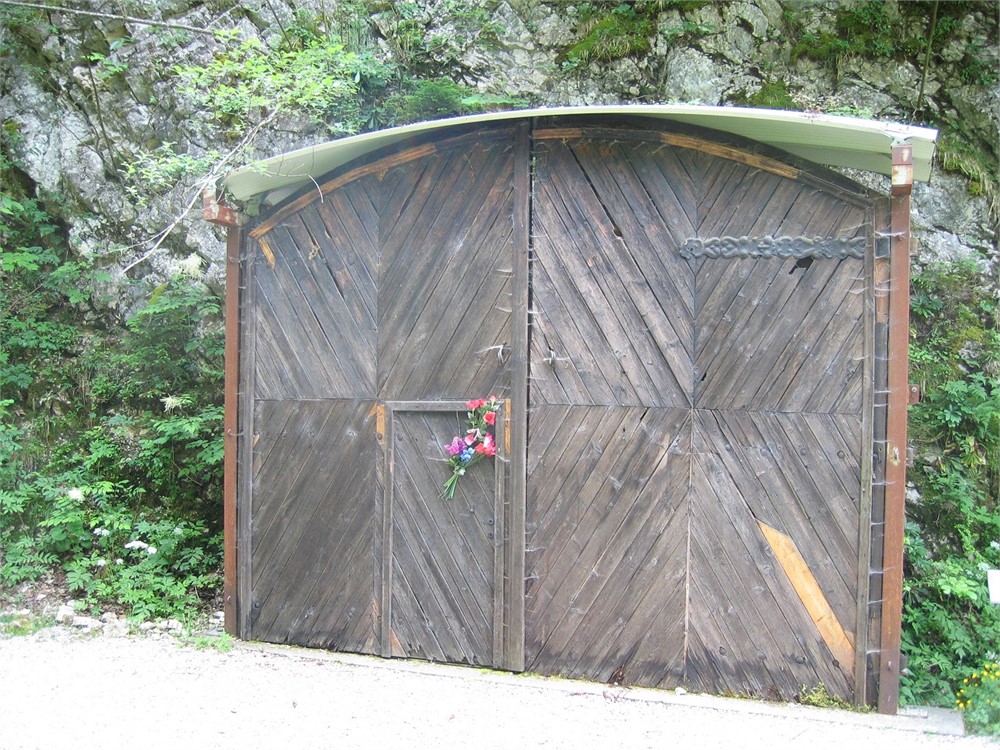
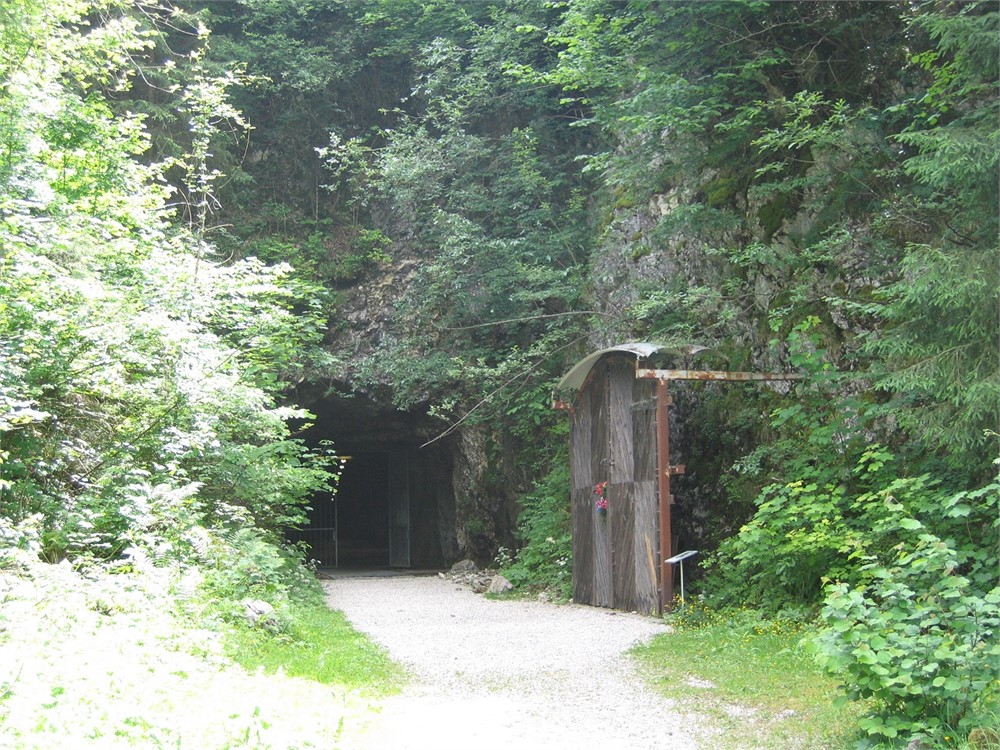


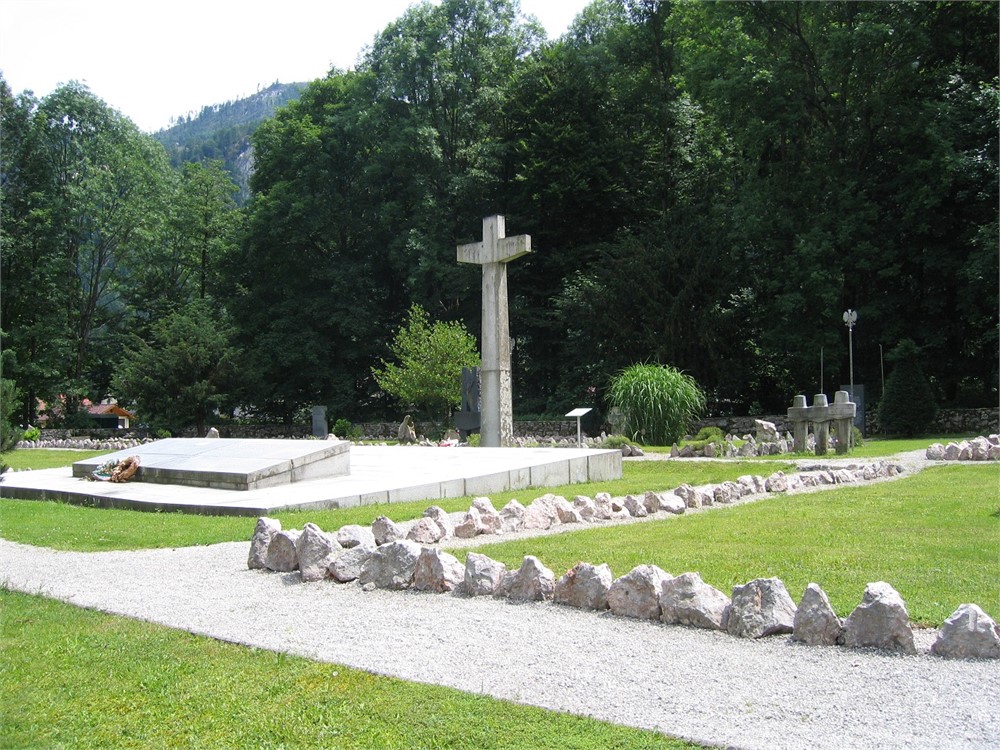
In 2008, the former camp area was a large residential area and the only remnant of the camp is the former camp entrance, which itself has become a monument. There is also a camp cemetery at the mass graves. In one of the tunnels there is a museum while most of the tunnel system is closed to visitors. In the center of Ebensee there is a museum about the camp.