Petrova Gora
In the summer of 1941, Ustasha began to persecute and expel ethnic Serbs from areas within the independent state of Croatia (NDH) and replace them with ethnic Slovenes. NDH was an ultra-fascist state led by the fascist dictator Ante Pavelic. The persecution and expulsion did not pass by the Croatian communists who made contact with ethnic Serbs in the regions of Kordun and Banija. Together they agreed to make armed resistance against Ustasha and started to build an extensive base in Petrova Gora. An inaccessible mountain area with steep slopes and heights perfect for the purpose. It was advantageous to defend and it was a perfect point for raids against German and Croatian (Ustasha) targets in the region. The first fighting took place in late July 1941.
The Ongoing attacks from the partisans in the region did not pass by the Axis powers (Germany and Italy). They began to make demands on Ustasha to deal with the situation and destroy the partisans in the region. In March 1942, Ustasha launched operation Petrova Gora, which aimed to destroy the partisans, including ethnic Serbs and other local people who had joined or supported the partisans. Ustasha’s forces were numerically and materially superior, and after a couple of weeks the partisan defence lines had cracked. Small defence pockets still offered resistance until early May when the remaining partisans evacuated. Throughout the war, civilian casualties in the region were extensive, with a total of about 27,000 killed.
Current status: Partly preserved/demolished (2026).
Get there: Car.
Follow up in books: Pavlowitch, Steven: Hitler’s New Disorder: The Second World War in Yugoslavia (2008).
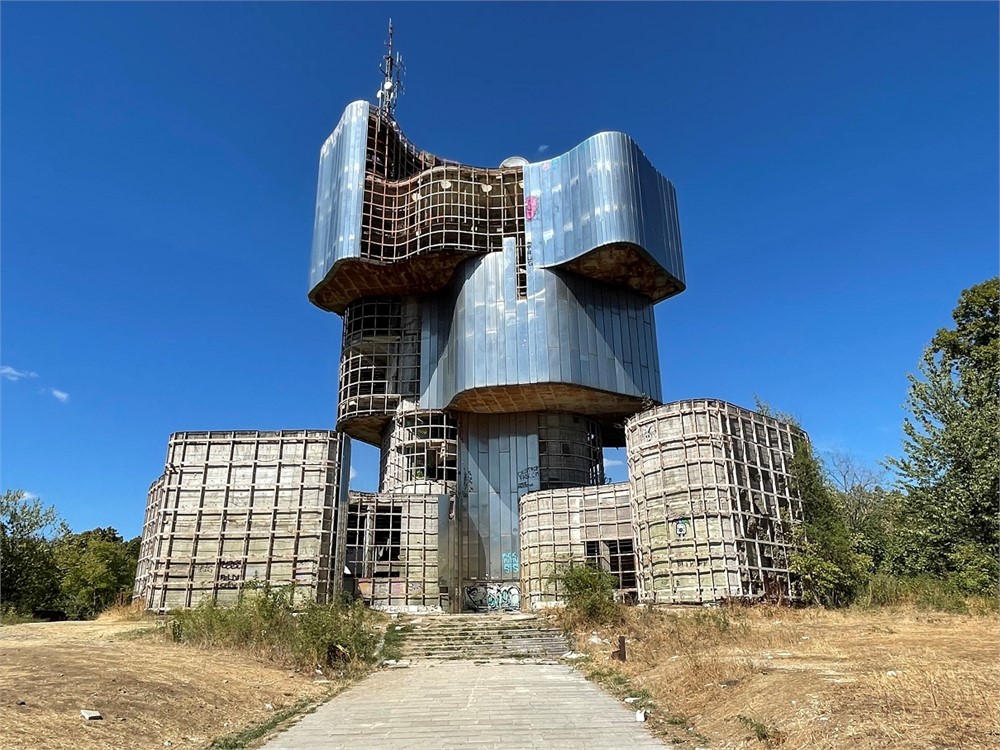
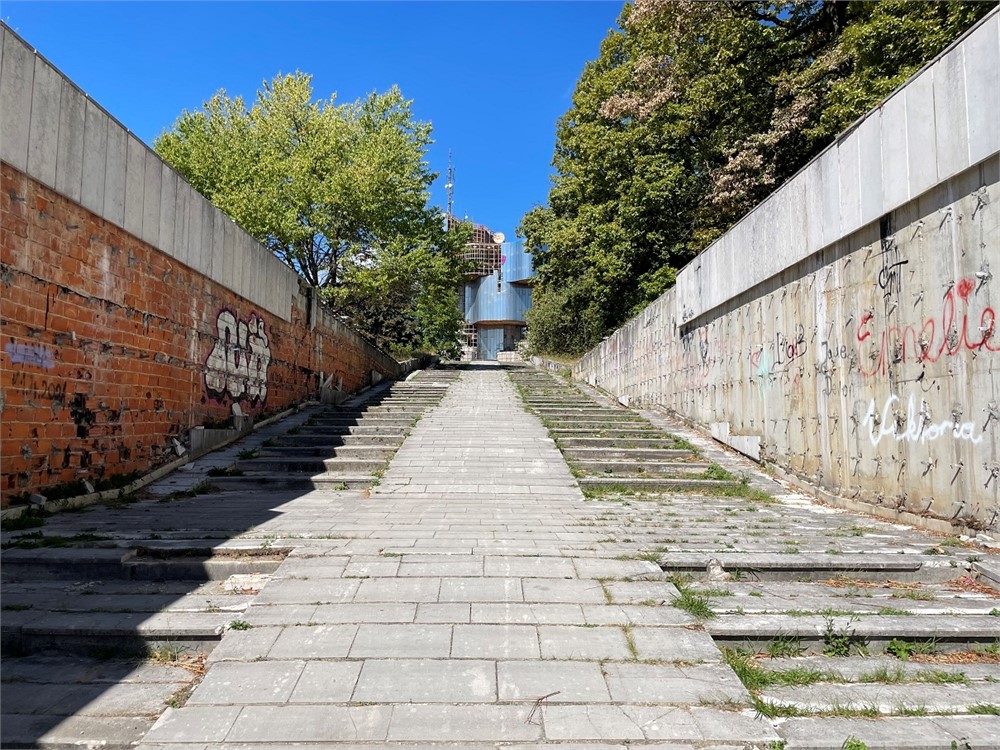
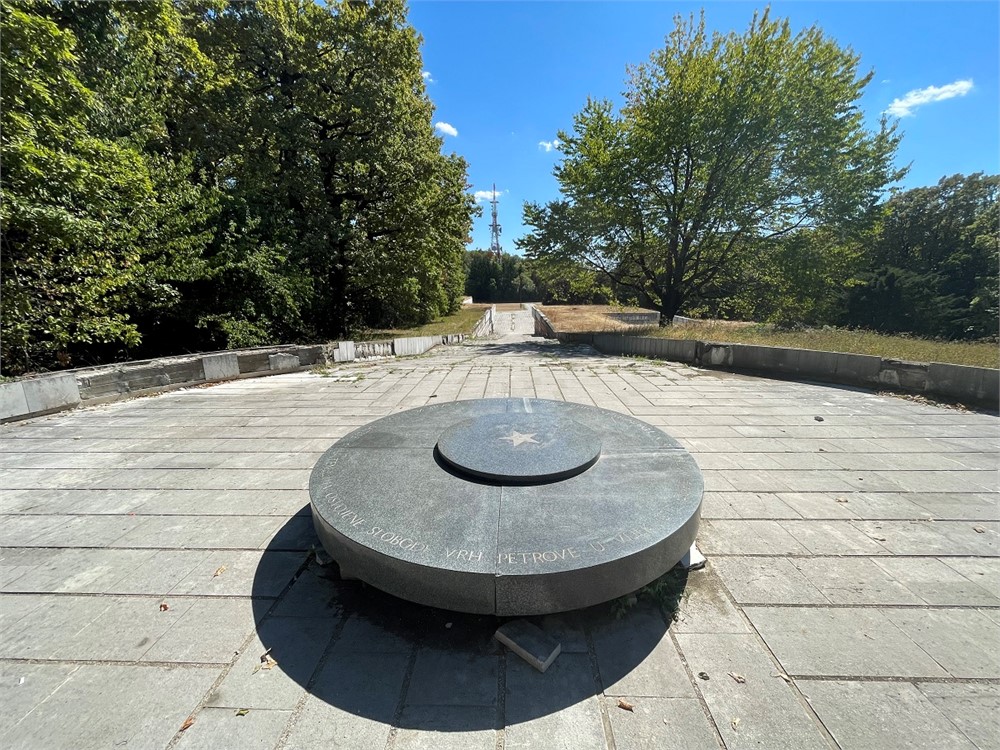
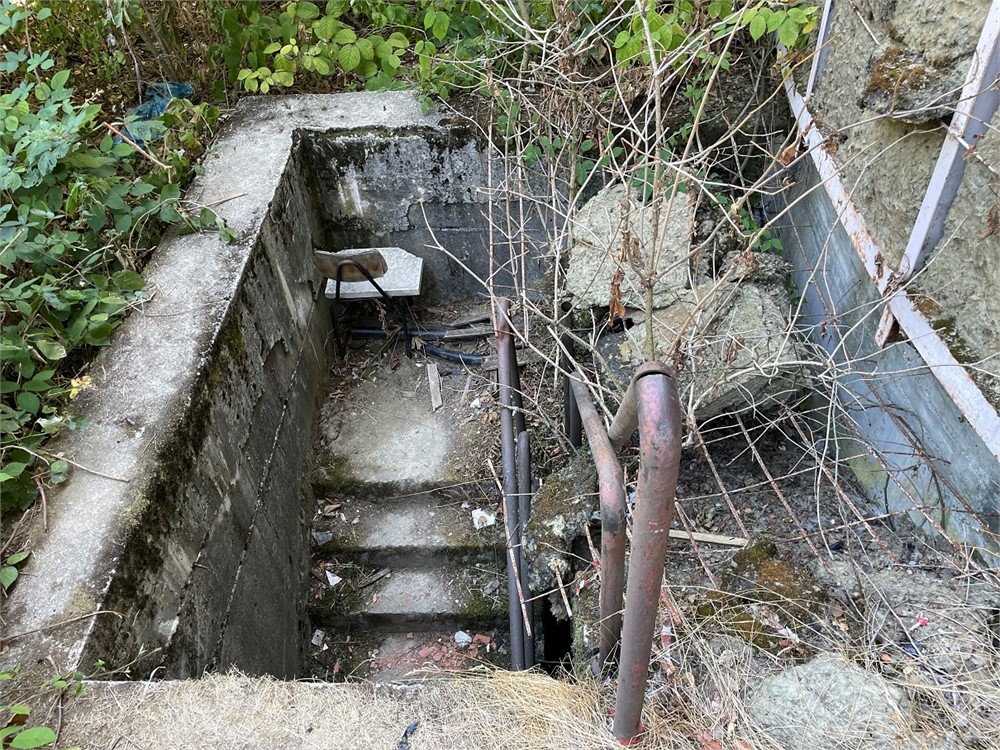
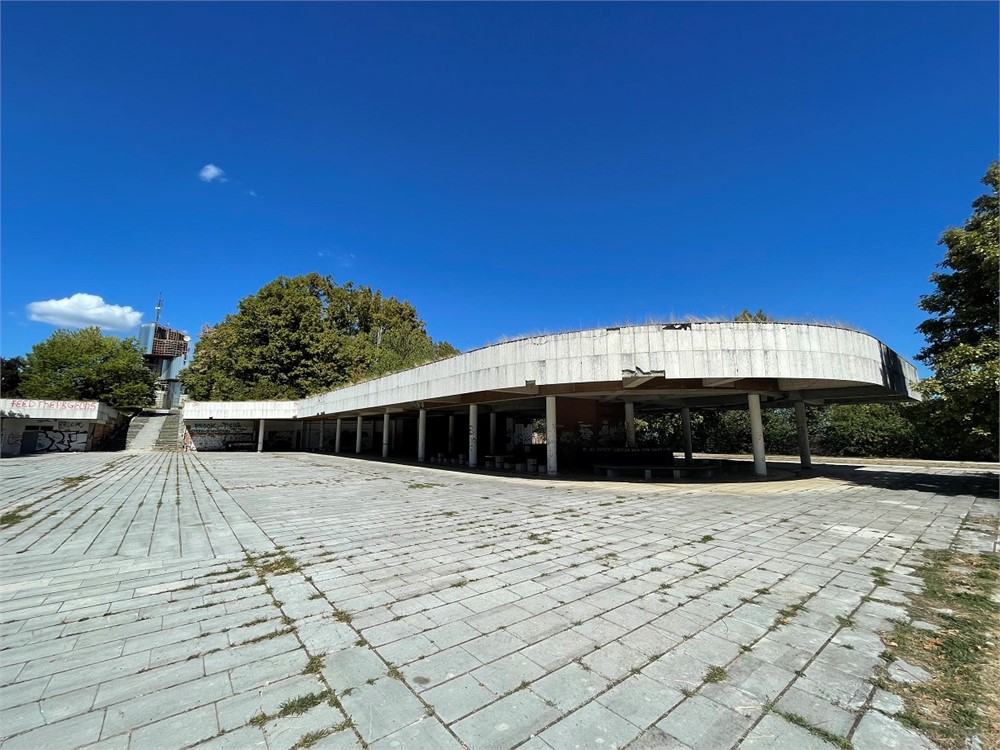
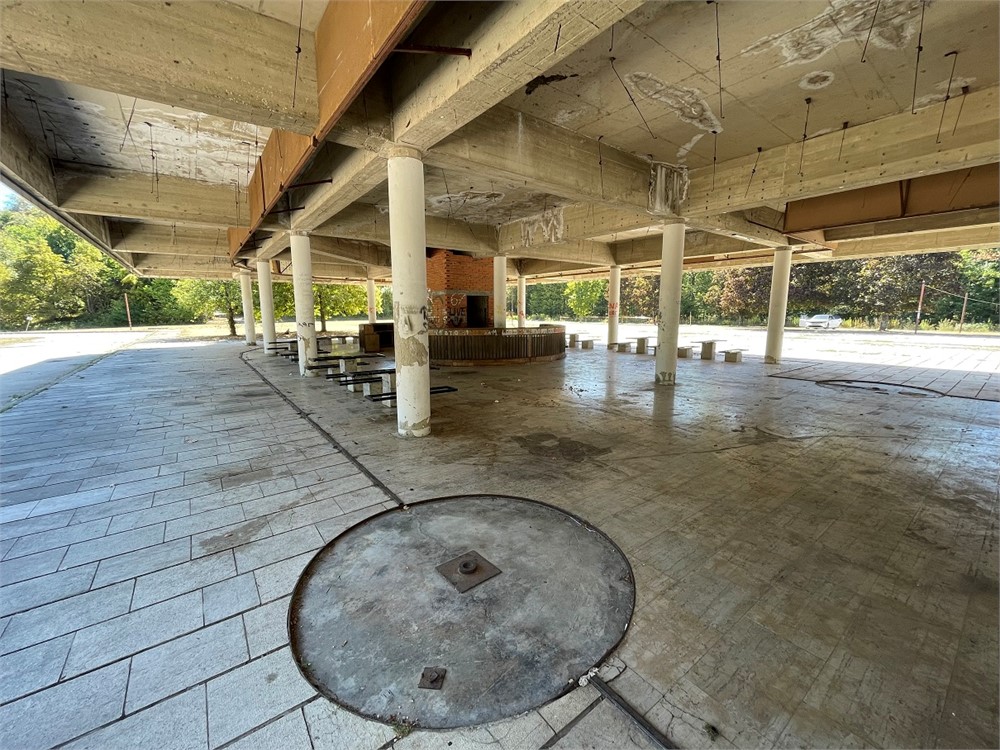
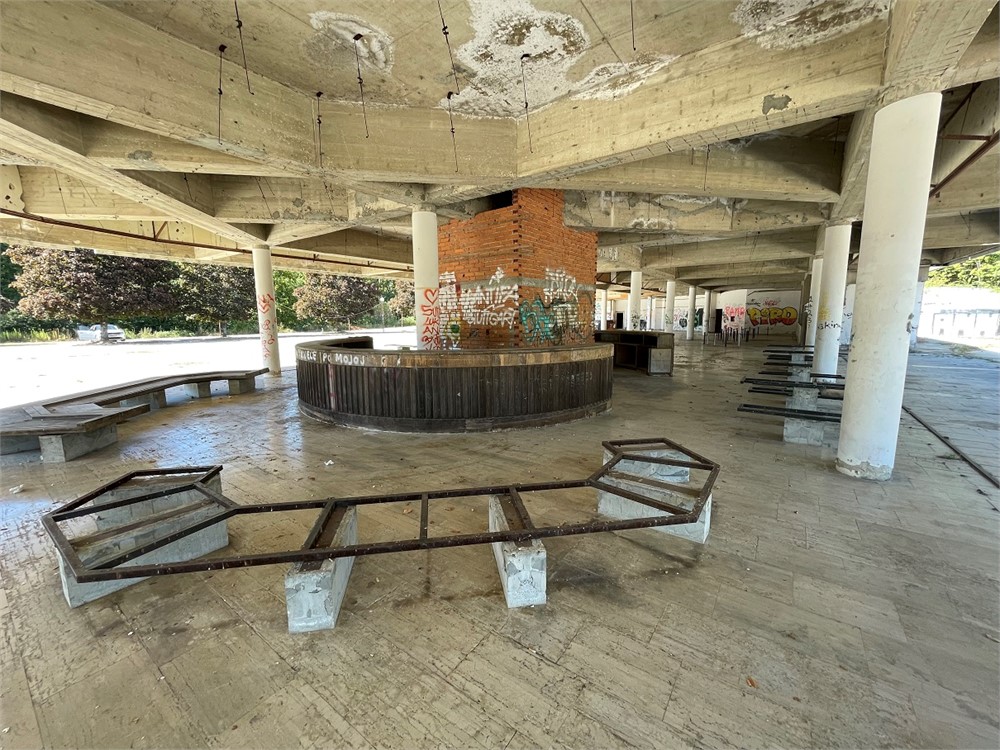
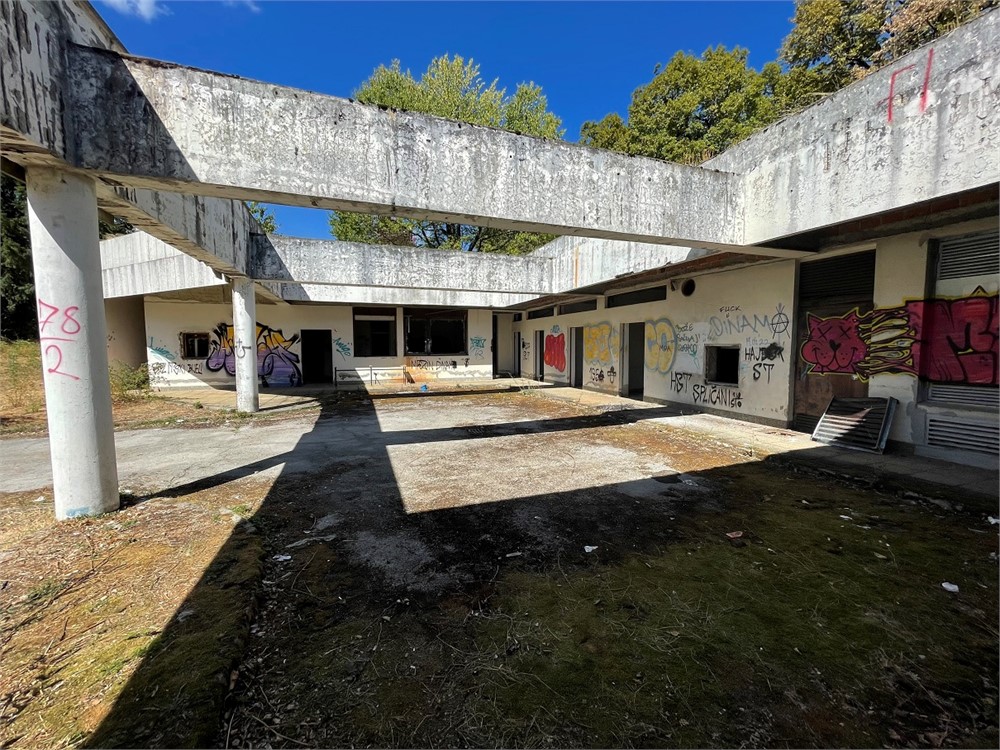
In 1981, a grand monument was inaugurated on a hill in honor of the ethnic Serbs in the area who died in the fight against Ustasha. The monument took no less than ten years to plan and complete and consists of a contemporary abstract symbolism. It was visible (and visible) from far away and thus makes a big wound in nature. Below the monument, a visitor centre was built with a cafe, souvenir shop and ticket booths for those who wanted to go inside the 37-metre-high monument. There were also municipal buses from surrounding villages. But when the civil war broke out in the early nineties, the monument and visitor center were destroyed and has since been vandalized and looted. But neverless, it is possible to get a good overview how it once looked. The monument itself is fenced off, but can easily be bypassed. But entering the dilapidated monument can be dangerous. The monument can easily be combined with the partisan hospital, Petrova Gora - Radonja, about two kilometers southwest of the site.