Radonja - Petrova Gora
About two kilometers southwest of Petrova Gora, local partisans built a field hospital to treat injured partisans and civilians from the region. It was remote and well hidden in a ravine without any natural access roads. The buildings were well camouflaged and difficult to detect. Construction began in the autumn of 1941 and when finished consisted of about thirty wooden houses, including an surgical room and a dental room. In time, the hospital became the region’s central hospital. About 5,000 people received some form of treatment at the hospital, about 1,000 people were so badly wounded that their lives could not be saved. They were buried in the surrounding forest. In May 1945, when the region was liberated, the hospital was moved to Karlovac. The extent to which the hospital was known to Ustasha is uncertain, but it was never discovered during the war.
Current status: Partly preserved/demolished (2026).
Location: 45°17'52.53" N, 15°45'18.74" E
Get there: Car.
Follow up in books: Batinic, Jelena: Women and Yugoslav Partisans (2017).
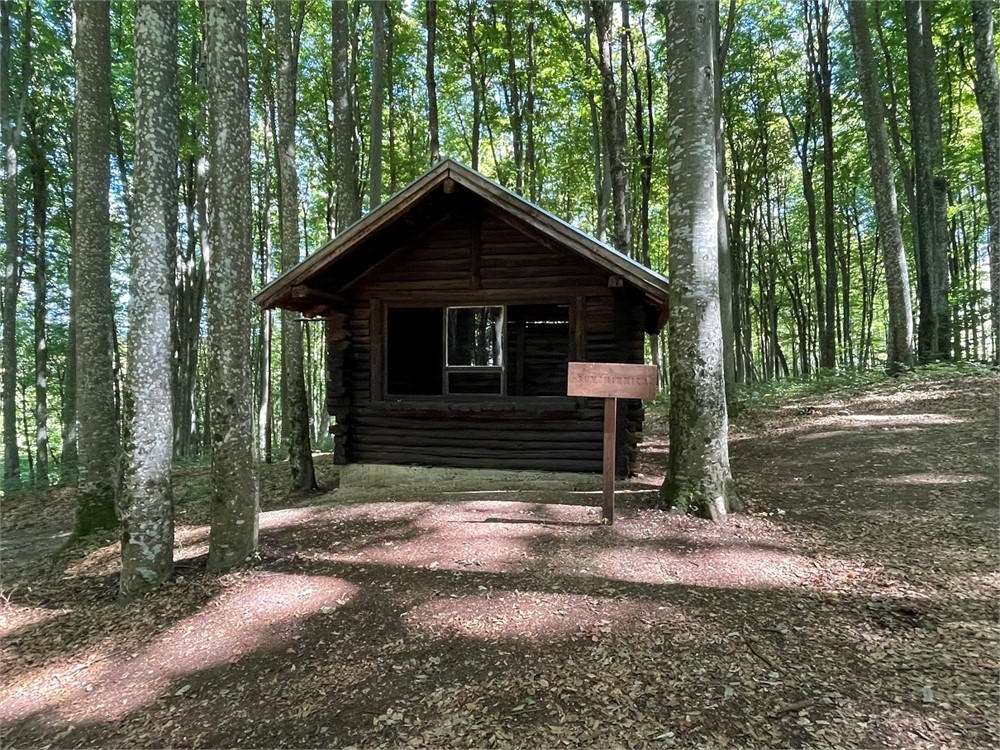
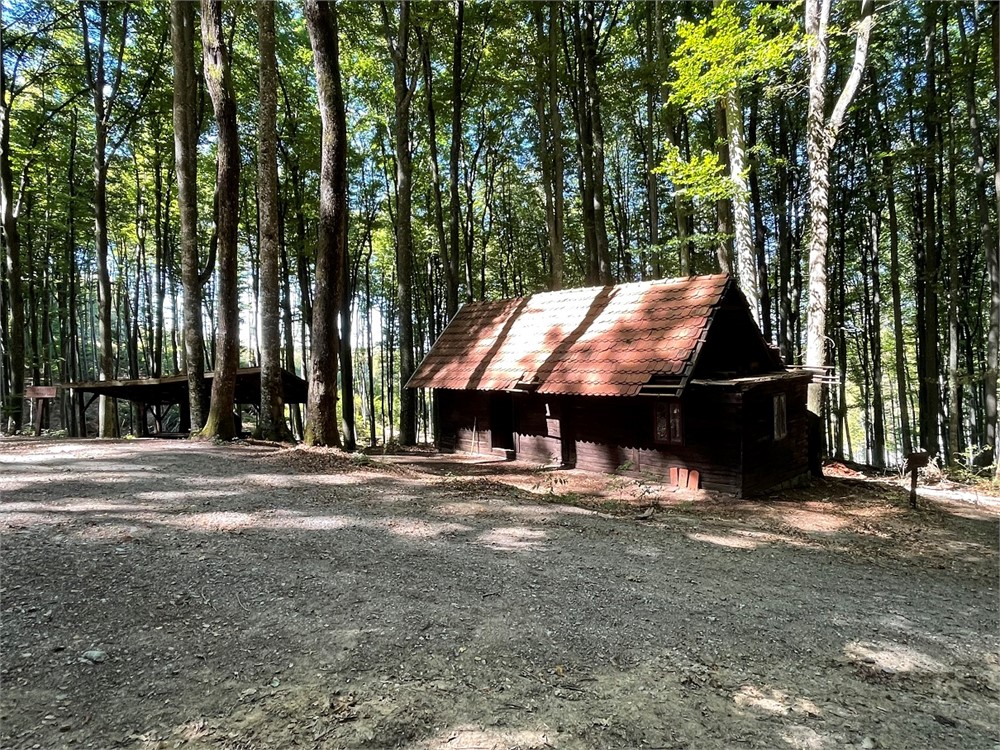
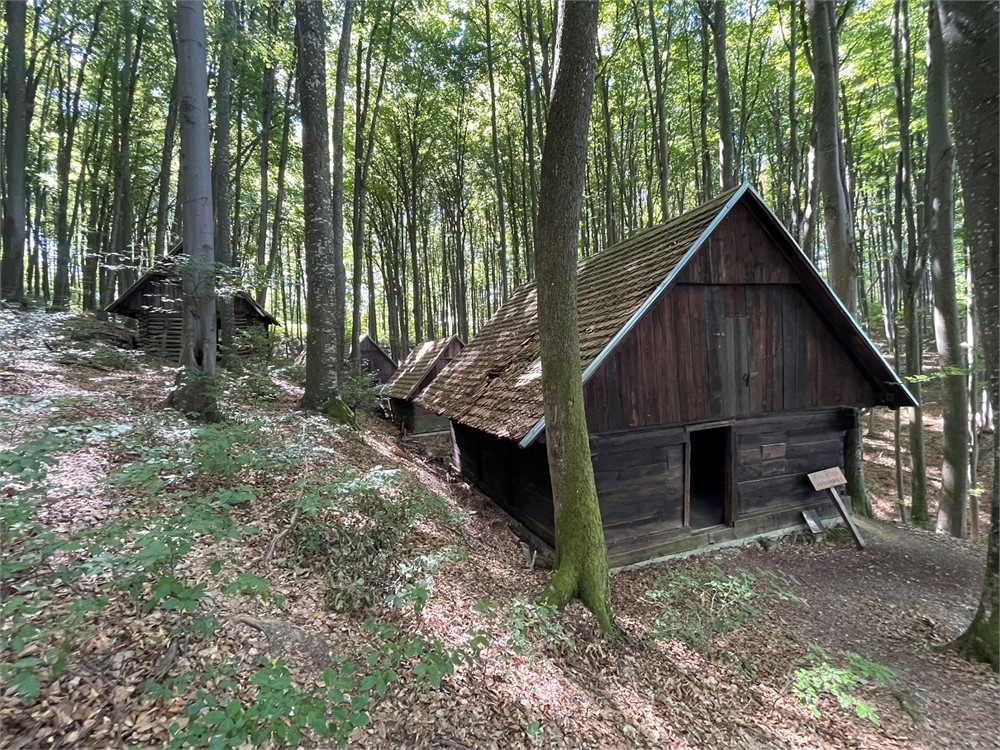
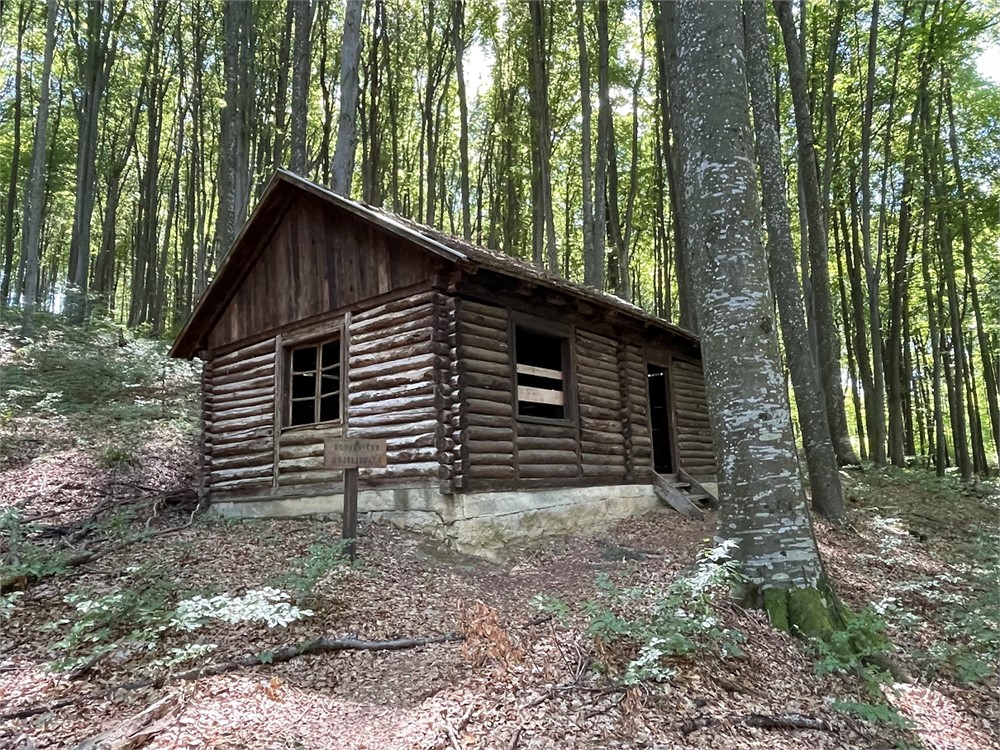
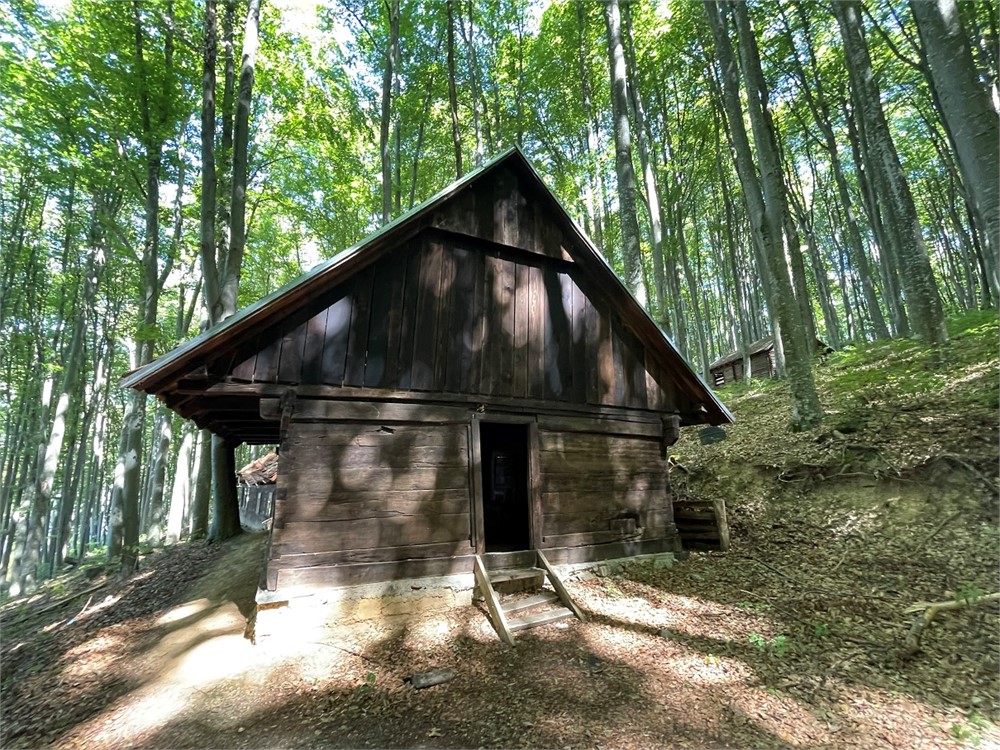
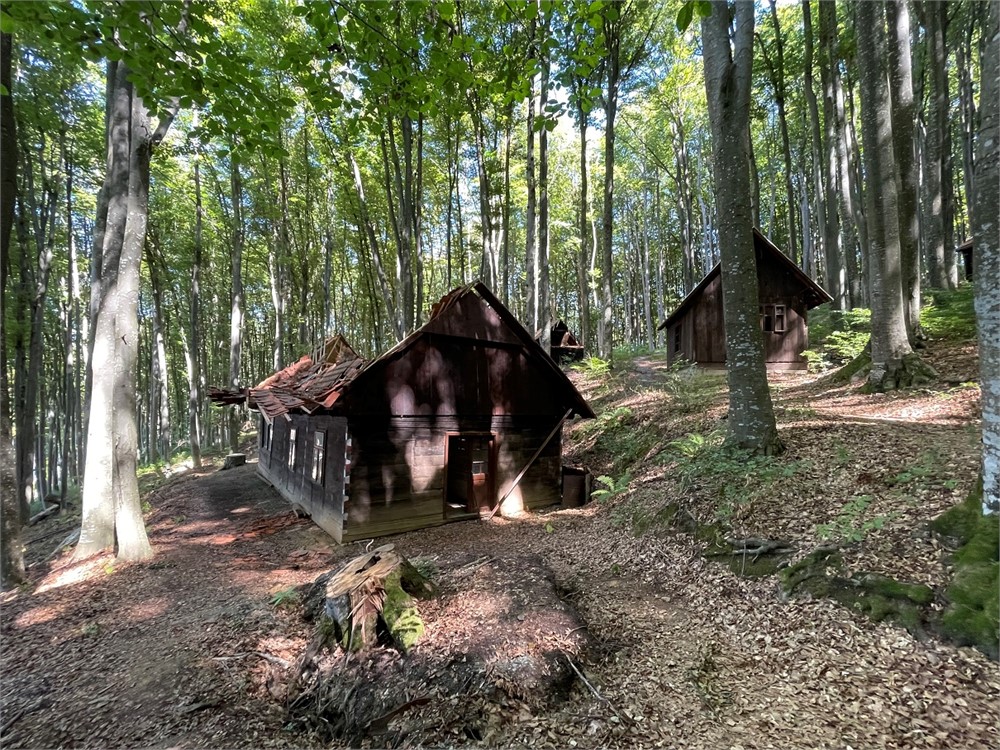
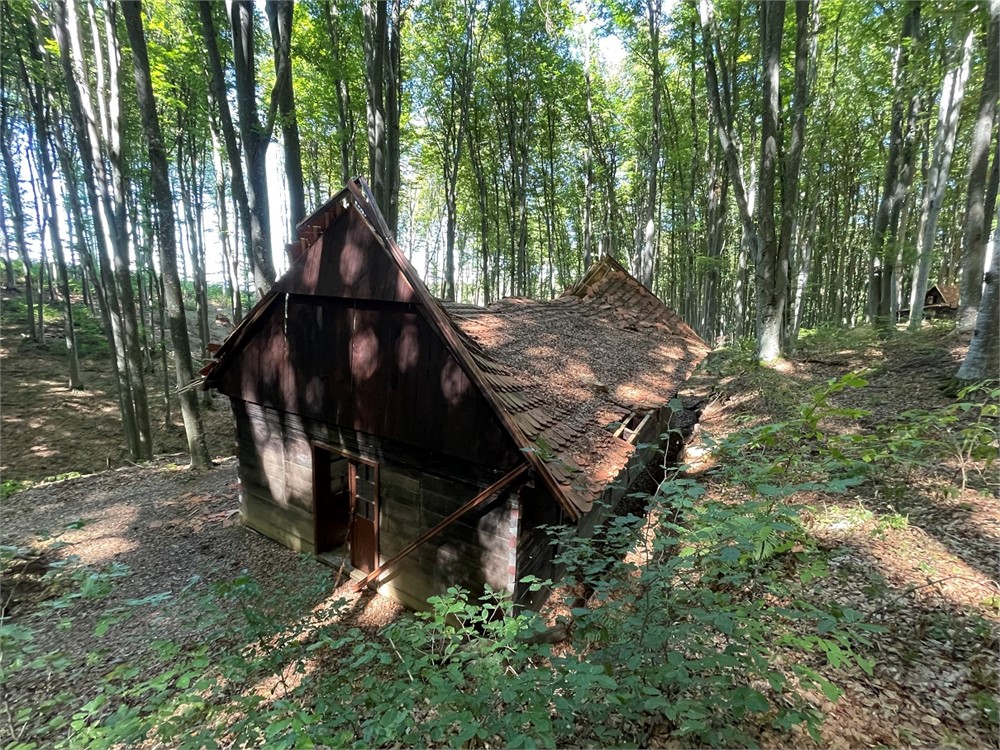
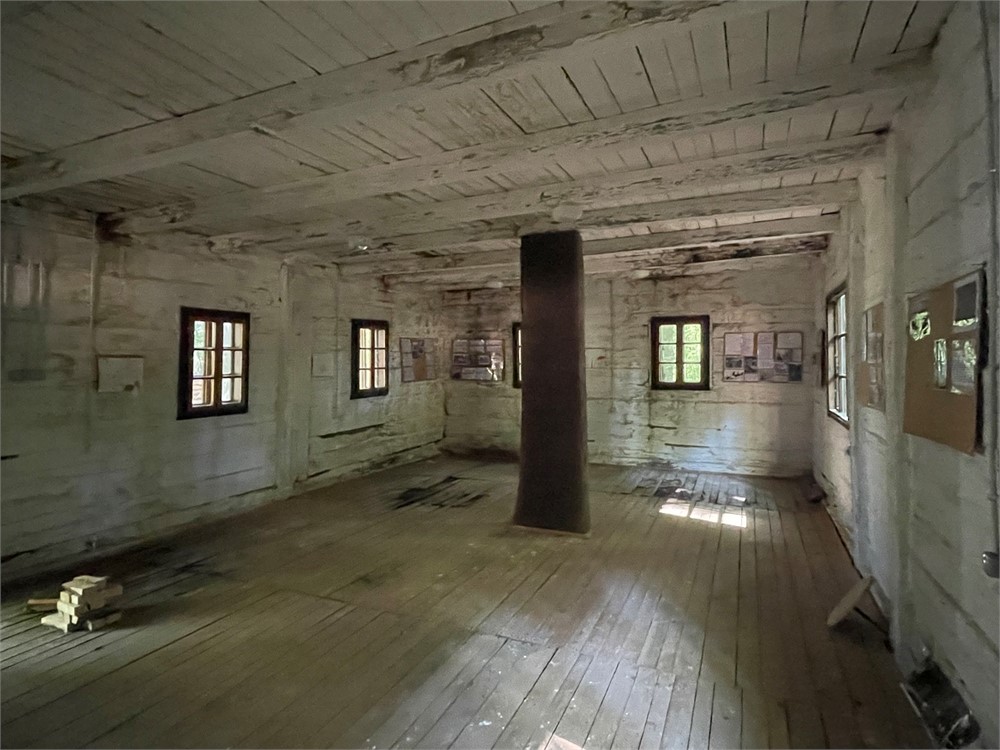
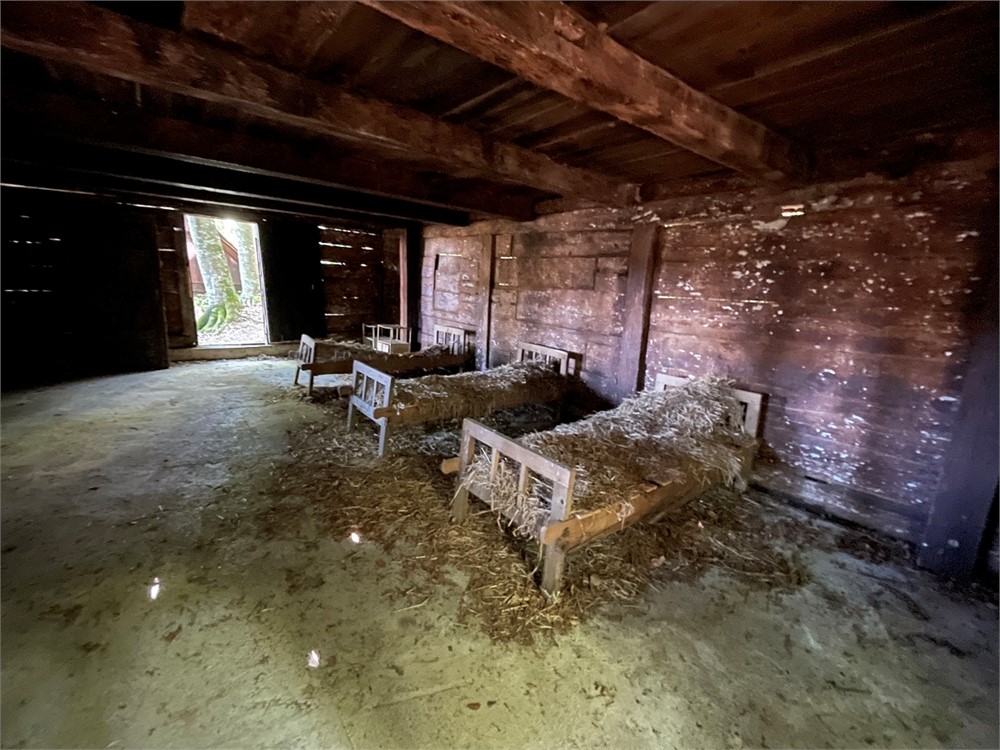
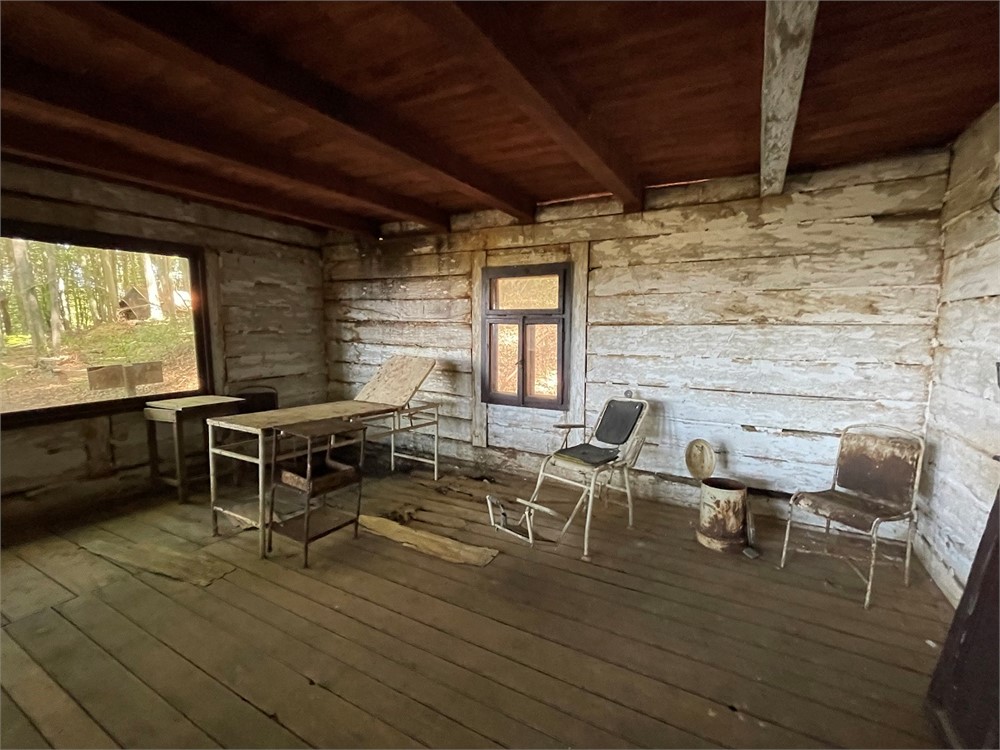
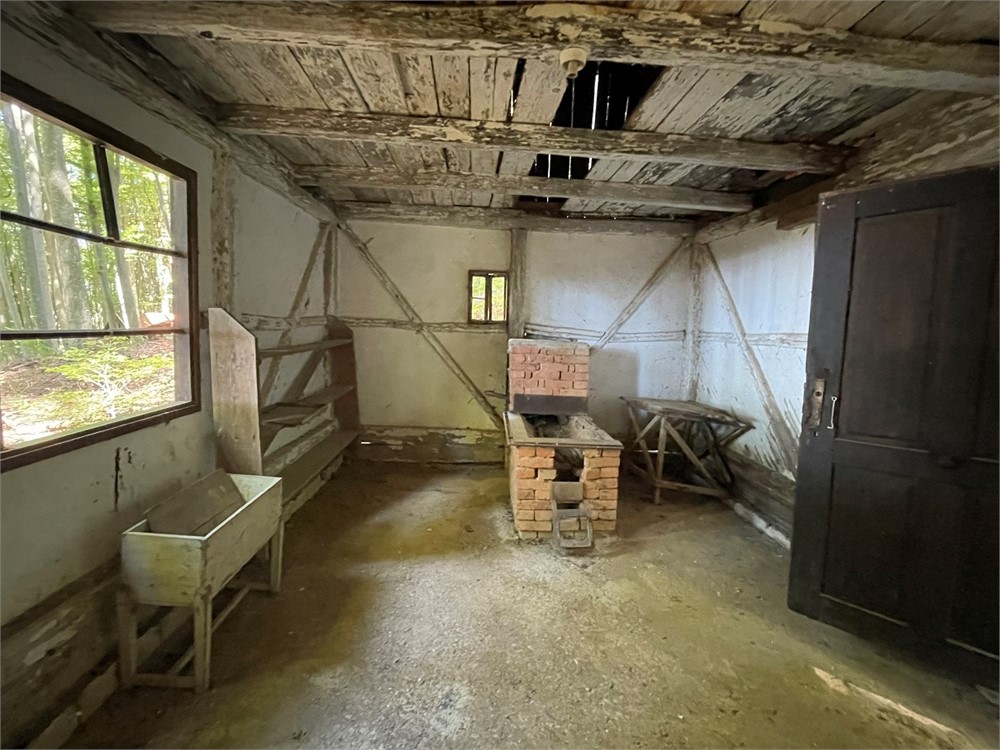
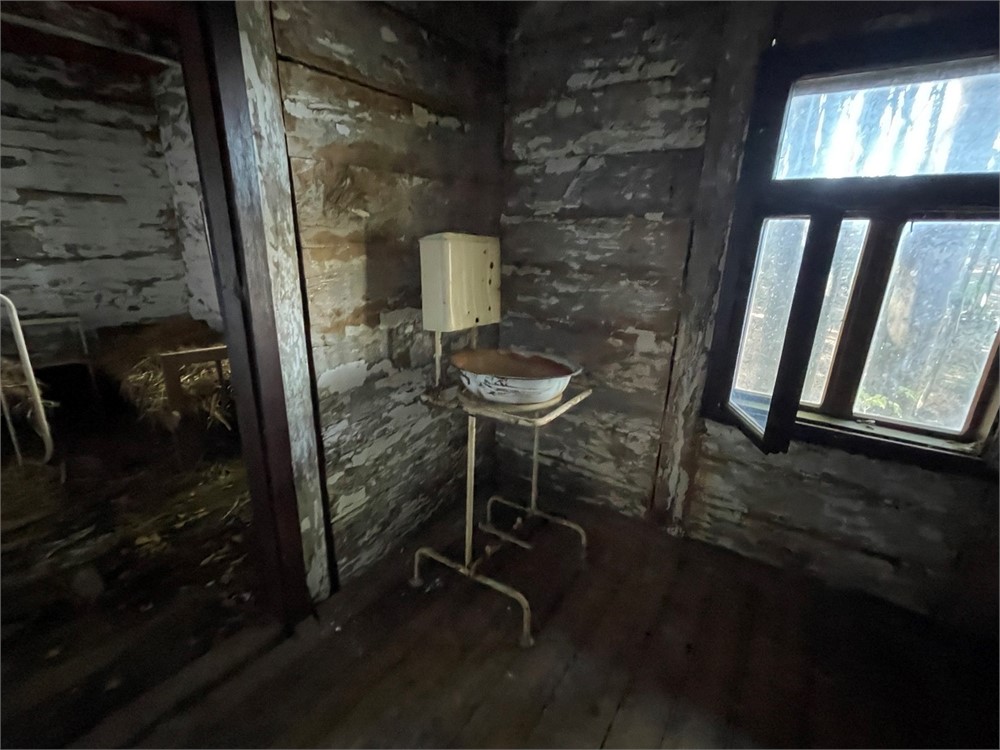
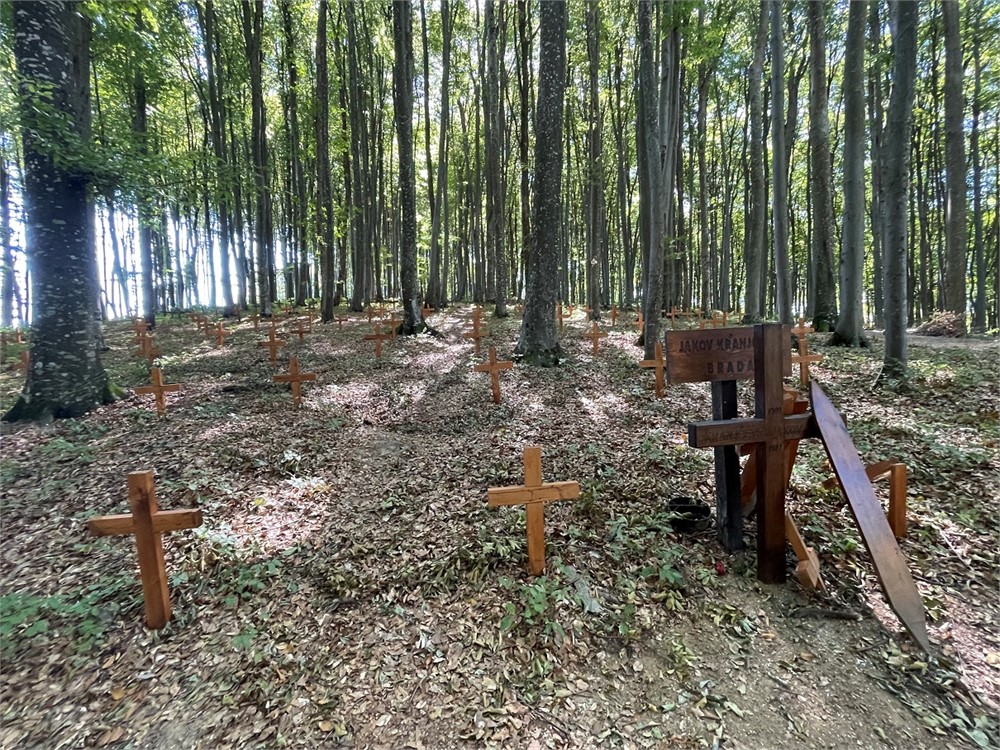
The field (partisan) hospital immediately started to decay after the Second World War, but in 1961 it was renovated and became a museum. In 1971 it received an award by Tito for its importance during the war. In connection with the Yugoslav civil war in the nineties, the museum fell into disrepair, but there is an ambition to rebuild it, but that doesn’t seem to happen in the near future. The site is still worth visiting despite its decay, but it is very secluded and not easy to find. The actual buildings remain but in varying condition. What is interesting is that many of the museum objects still remains in the houses. The site can easily be combined with the Petrova Gora monument, about 2,5 kilometres northeast of the site.