Trieste
Italy withdrew from the war in September 1943, and former areas controlled by Italy were taken over by the Germans. New administrative areas were established and one such was the Operationszone Adriatisches Küstenland (OZAK). OZAK consisted of areas from present Italy, Slovenia and Croatia. The head of OZAK was SS-Gruppenführer Odilo Globcnik who had previously been head of operation Reinhardt, the murder of about 1.7 million Jews in the General Government in occupied Poland. Reinhardt ended in the fall of 1943 which made Globocnik available for the post of head of OZAK. A number of former employees from Operation Reinhardt followed Globocnik to Trieste. The headquarters of the SS and Globocnik in Trieste was located in Piazza Oberdan. Globocnik himself first settled in an apartment near Piazza Oberdan and then in a lavish residence (villa Ara) on a hill above the city center, about 200 northeast of Piazza Oberdan. The villa could easily be reached via a tunnel that was built into the hill. The German presence was so tangible that Trieste was locally called little Berlin (Kleine Berlin). In Trieste Globocnik continued to hunt Jews who after the Italian collapse became legal prey. Globocnik set up a camp in an old rice factory (San Sabba) in Trieste where Jews were brought (and sometimes murdered) before being deported to Eastern Europe. Globocnik and his men also came to hunt down partisans in the region. A deadly mission where several of his men were killed. After the war, Globocnik fled to Austria but was captured and committed suicide in late May 1945 before being brought to justice.
Current status: Preserved with tablet (2026).
Get there: Walking.
Follow up in books: Williams, Max: Odilo Globocnik (2020).
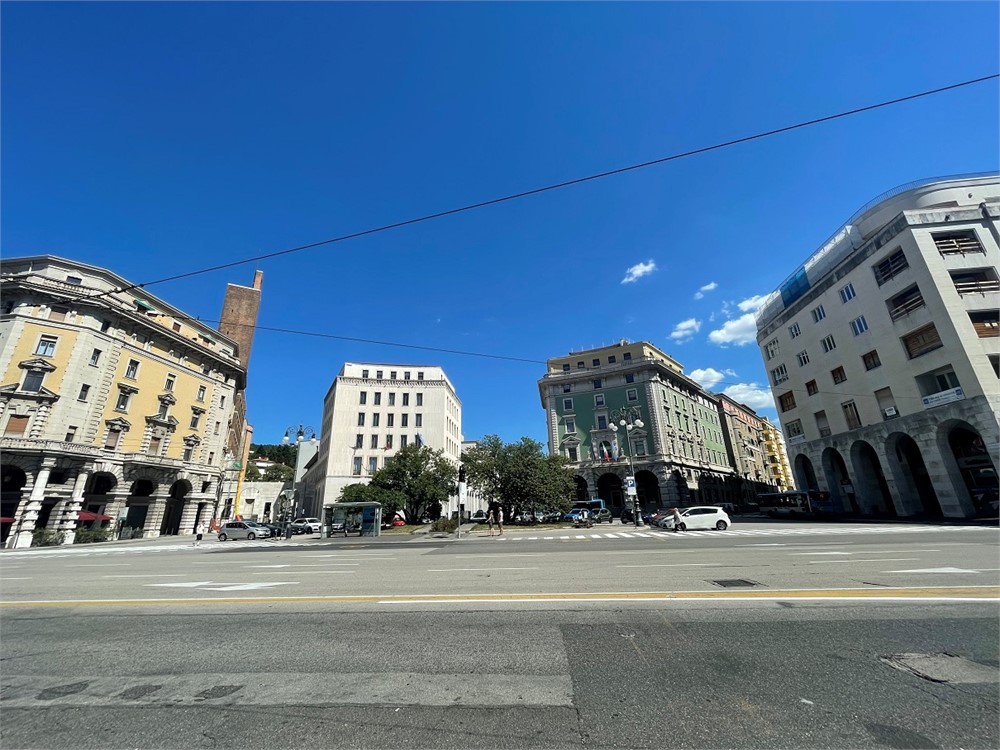
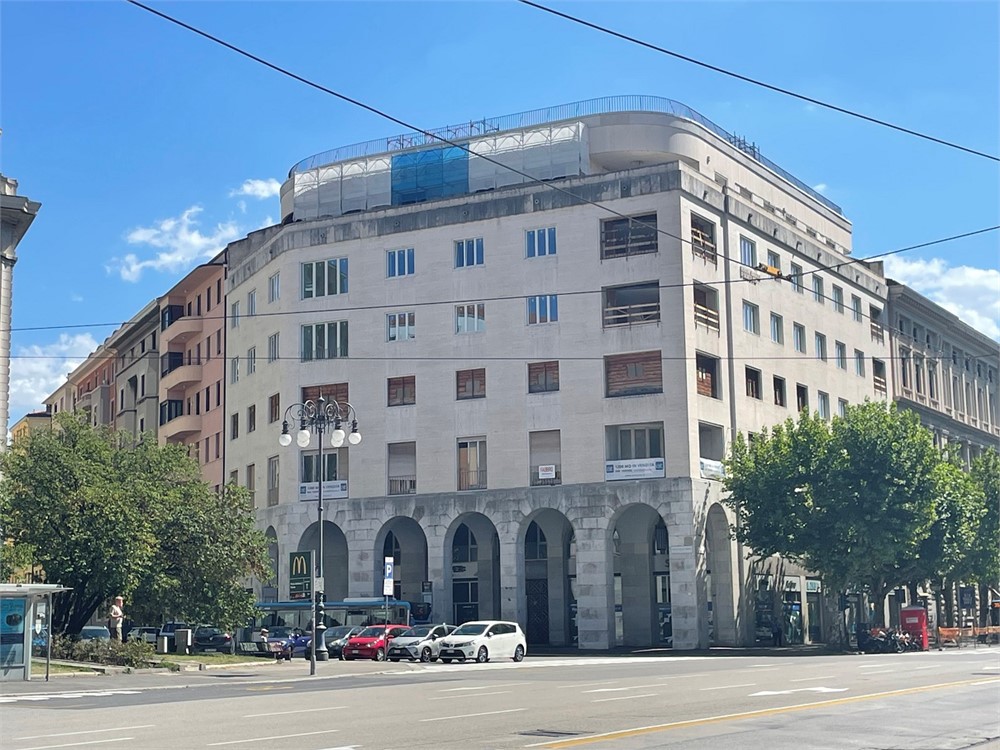
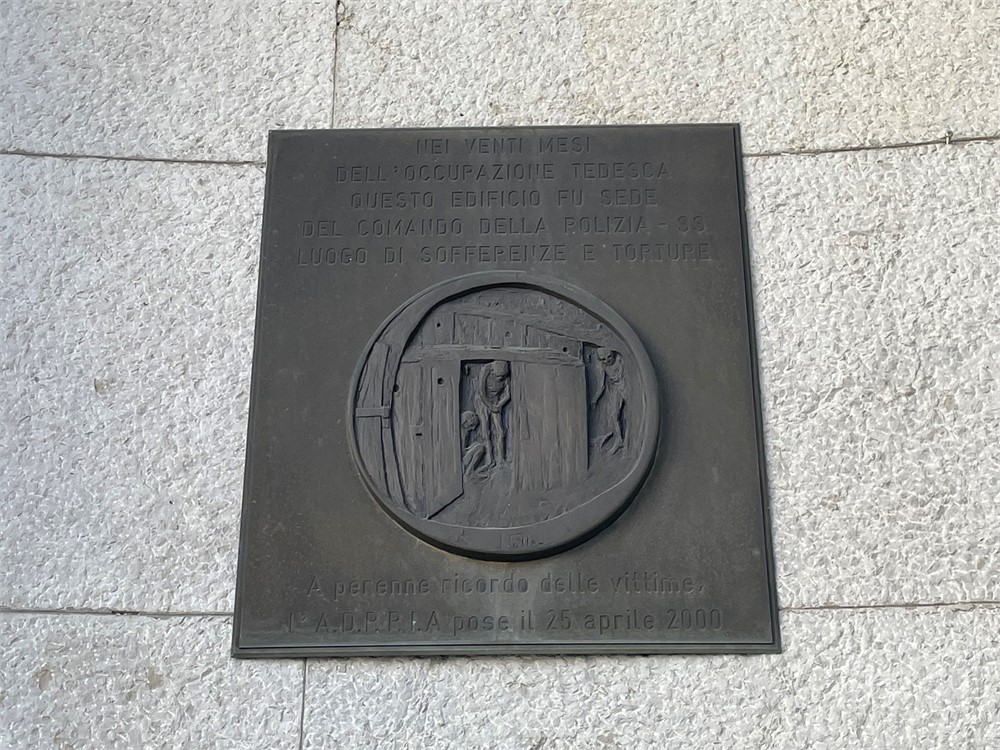
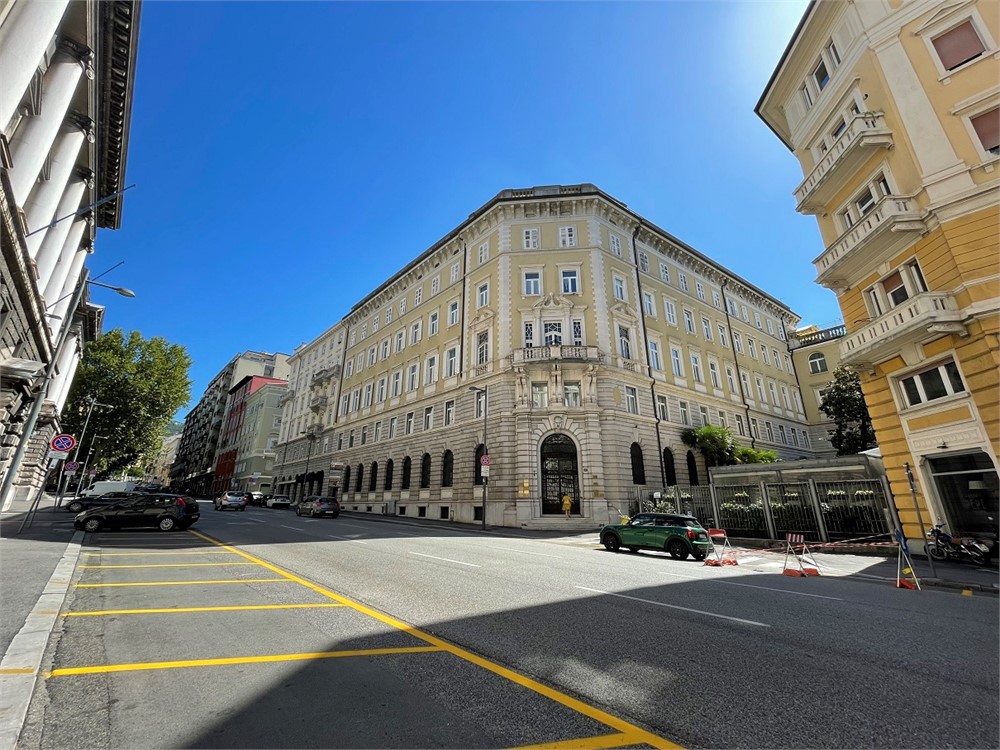
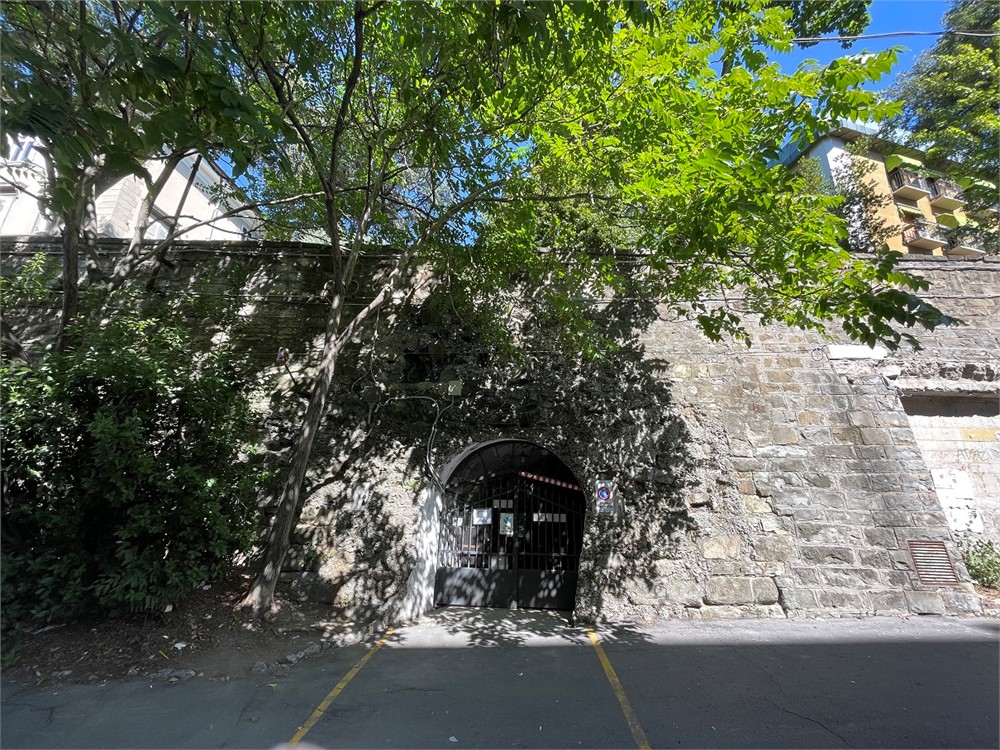
Piazza Oberdan is centrally located in Trieste and is preserved and there is a memorial tablet on facade where Globocnik had its headquarters. The tunnel, also called Kleine Berlin, is also preserved and can be visited, but only the last Friday each month in the company of an italian guide. The tunnel itself consisted of two parts. One (first) part served as an ordinary shelter for the civilian population. The second part was built when Globocnik came to Trieste and consisted of shelters (for the Germans), storage rooms and a tunnel that connected Piazza Oberdan. This allowed Globocnik to move unseen between Piazza Oberdan and his home.