Chiran
At the battle of Midway Islands in June 1942, the Japanese Navy suffered a devastating defeat and lost four aircraft carriers (Kaga, Soryu, Akagi and Hiryu) while the US Navy only lost one aircraft carrier (Yorktown). Japan also lost about 300 planes while the US lost about 150 planes. From then on the US had the upper hand in the Pacific. Japan simply could not replace lost planes and pilots at the same rate as the US. One way for the Japanese to compensate for this was to shorten pilot training, but it also had the consequence that they were less trained than their American counterparts when they went into battle. This became obvious at the battle of the Philippine Sea in June 1944 when the Japanese lost three aircraft carriers (Tahio, Shokaku and Hiyo) and about 600 planes. The US lost no aircraft carriers and lost only about 130 planes. This devastating defeat made the Japanese realise that an alternative warfare at sea was needed to even out the balance.
In October 1944, admiral Takijiro Onishi was appointed commander of the first Air fleet in the northern Philippines. One of his tasks was to train special attack units (japanese Tokubetsu Queekitai) consisting of suicide pilots, better known as Kamikaze (japanese Tokku). The aim was to train pilots to crash their plane into an enemy ship and incapacitate it. The program was voluntary and shorter than a regular pilot training and attracted mainly young men (the youngest is said to have been 17 years old) who came from all social classes with different backgrounds. Some with military background, others not. Common to them all was that they saw an opportunity to do something of value and die a glorious death for emperor and Japan. An important part of the training was to teach the right angles of attack, partly to achieve the greatest possible damage, partly to avoid the ships’ flak.
But there were also doubts and direct opposition to specially created suicide units. It was considered unethical to send young pilots to a certain death. It was also seen as a waste of resources in an already strained situation to spend time and money on training pilots and making planes that could only be used once. The logical thing about both pilots and planes is that they should be able to return and be used for more missions. Moreover, there was far from any guarantee that the suicide missions were successful. But there was no shortage of volunteers and they were embraced by a myth and prestige of religious dimensions.
The planes used in suicide attacks shifted depending on what was available. It could be anything from fighter jets to smaller bombers of the older model, but also newer. Common was that they were loaded with as large bombs as possible to cause the greatest possible damage. The main objectives of the suicide pilots were primarily aircraft carriers, battleships or other major warships. The size of the suicide missions varied but could consist from a dozen planes up to the hundreds. They usually had escorts by more experienced pilots who did nor participate in the suicide attacks. Their task was to guide the suicide pilots to the target area and also fight hostile fighter jets and then return to base. To the extent possible, they also documented the results of the attacks.
The First organized Kamikaze attack was carried out at the Battle of Leyte bay outside the Philippines in late October 1944. But it was only in the spring of 1945, during the Battle of Okinawa, that they were deployed extensively. From bases on Kyushi, the southernmost of Japan’s four mainland islands, suicide pilots took off the coast of Okinawa, and one of these bases was located in Chiran, about 30 kilometers south of Kagoshima. The base had been set up in December 1941 to train pilots, but came in March 1945 due to its strategic location became a base for suicide missions against Okinawa, about 2.5 hours away. Between April 6 and June 22, during an operation called KIKUSUI, 1036 suicide pilots took off from bases in Kyushi and of these, 439 took off from Chiran, making Chiran the base most missions was carried out. Other bases on Kyushi were Kanoya, Kushira and Bansei.
The Kamikaze pilots at Chiran (and not just Chiran) had to wait many times for their missions, sometimes for long periods of time, which could lead to boredom. One way to spend the days was to write farewell letters and prepare for their mission. Many also visited a local restaurant in Chiran run by a woman named Tome Torihama. She was very keen on the pilots aware of what they were facing. She was in turn equally liked by the pilots and was therefore called mother of Kamikaze pilots. Many of the pilots gave Tome their last letters and possessions and asked her to hand them over to relatives.
Each pilot assigned a mission was surrounded by a semi-religious ceremony for the mission and when they took off the runway was lined by other pilots, relatives and others who sought the base to say goodbye and wish them good luck. But the missions were also lined with problems, some planes had technical problems on the ground and could not take off, others had to return after the start for the same reason. The weather could be unpredictable and could mean that the mission had to be abandoned. At other times, the target areas were not found and due to fuel shortages had to return to base. Disappointment was then great among the pilots who returned, but usually they got a new chance and then with better luck. But there were also suicide pilots who never got a mission, or a second chance, and therefore survived the war.
The Kamikaze attacks did not significantly affect the outcome of the battle, most Kamikaze was shot down by the ships’ flak, by fighters who met the planes before they reached their target areas. It was also common for Kamikaze to miss the target. Nevertheless, some 35 warships were sunk by Kamikaze, but no aircraft carriers, and somewhere between 200 and 400 ships were damaged, including about 30 aircraft carriers. About 5,000 crew members died in the attacks 5,000 were wounded. Never before or since has the US Navy suffered such heavy losses as during the battle of Okinawa.
In addition to traditional planes used in suicide missions, Japanese engineers produced what one might call a suicide rocket called Ohka (cherry blossom) in 1944. The rocket was attached to a small bomber plane and when the plane approached the target area, a pilot crawled into the rocket and released it. The pilot then steered it at high speed towards the intended target. However, the success of Ohka was very modest.
Current status: Demolished with museum (2026).
Get there: Car.
Follow up in books: Axell, Albert, Kase, Hideaki: Kamikaze: Japan’s Suicide Gods (2002).
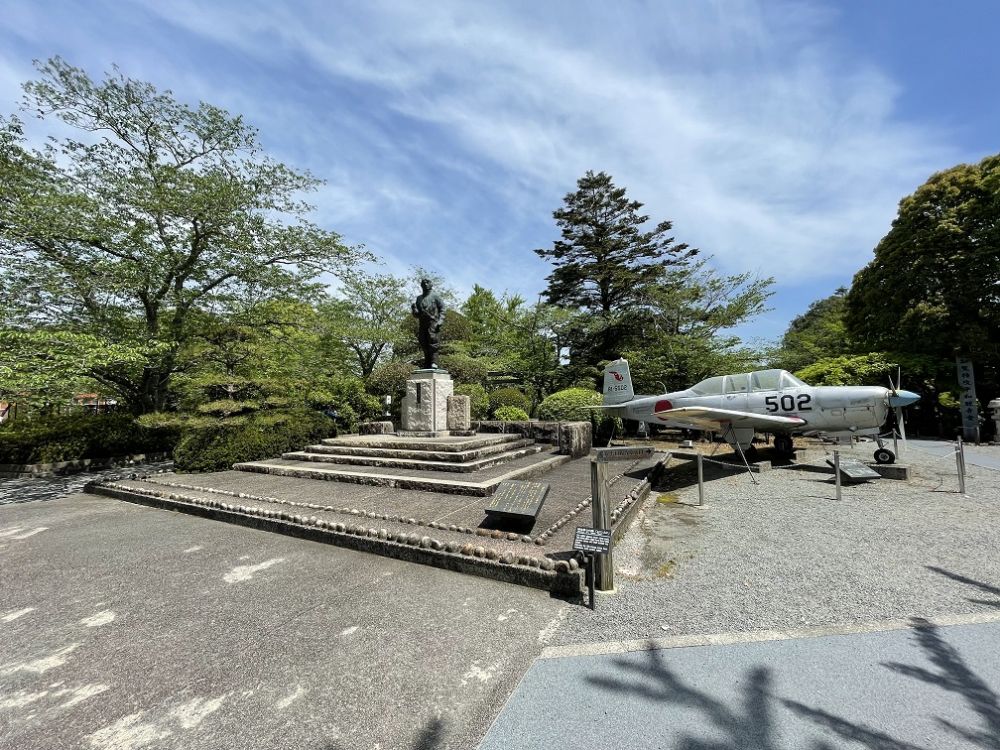
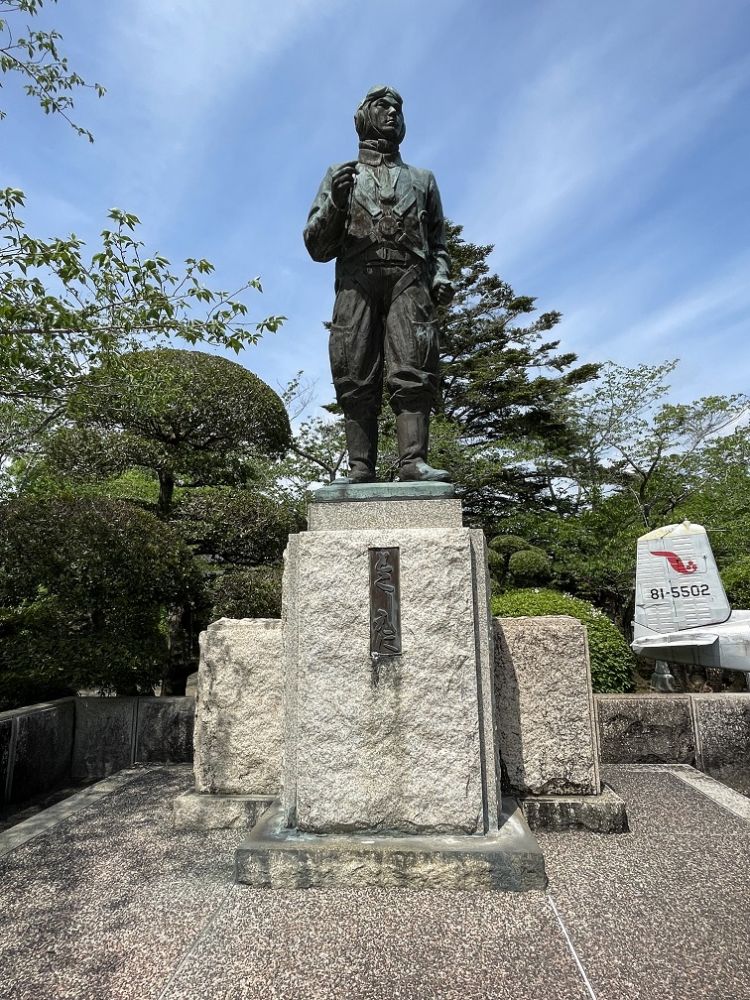
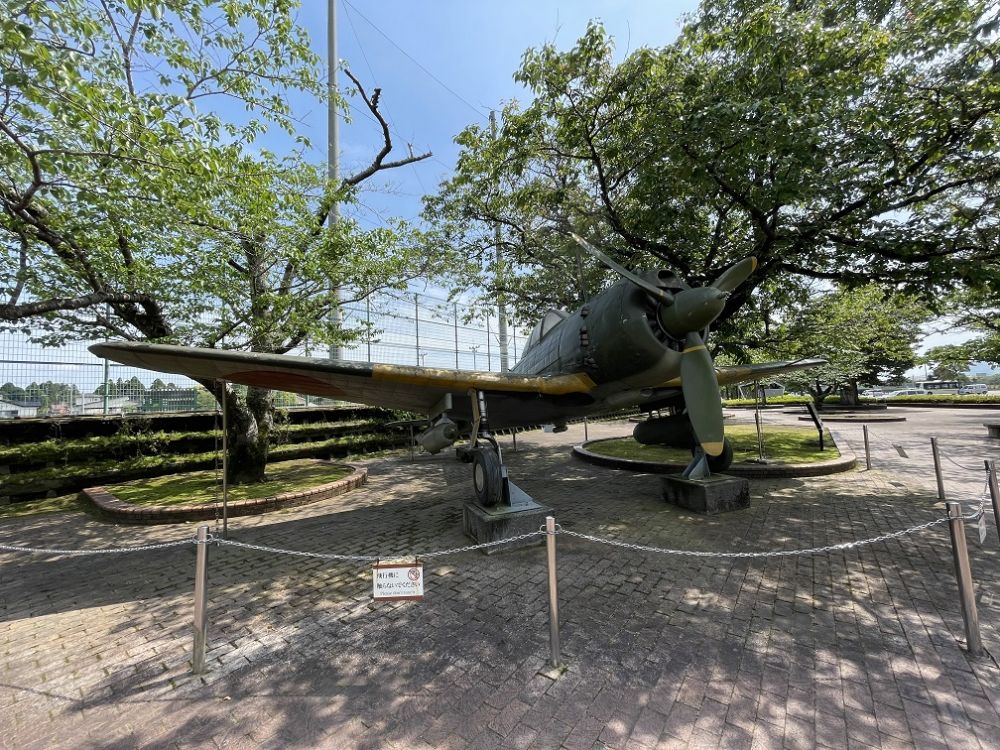
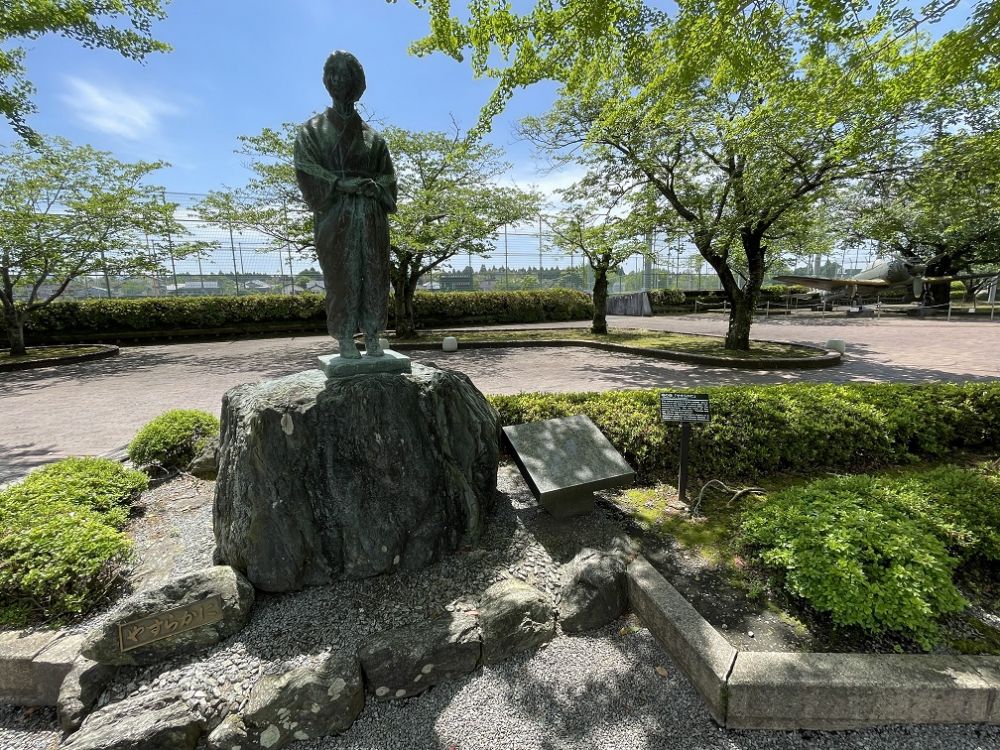
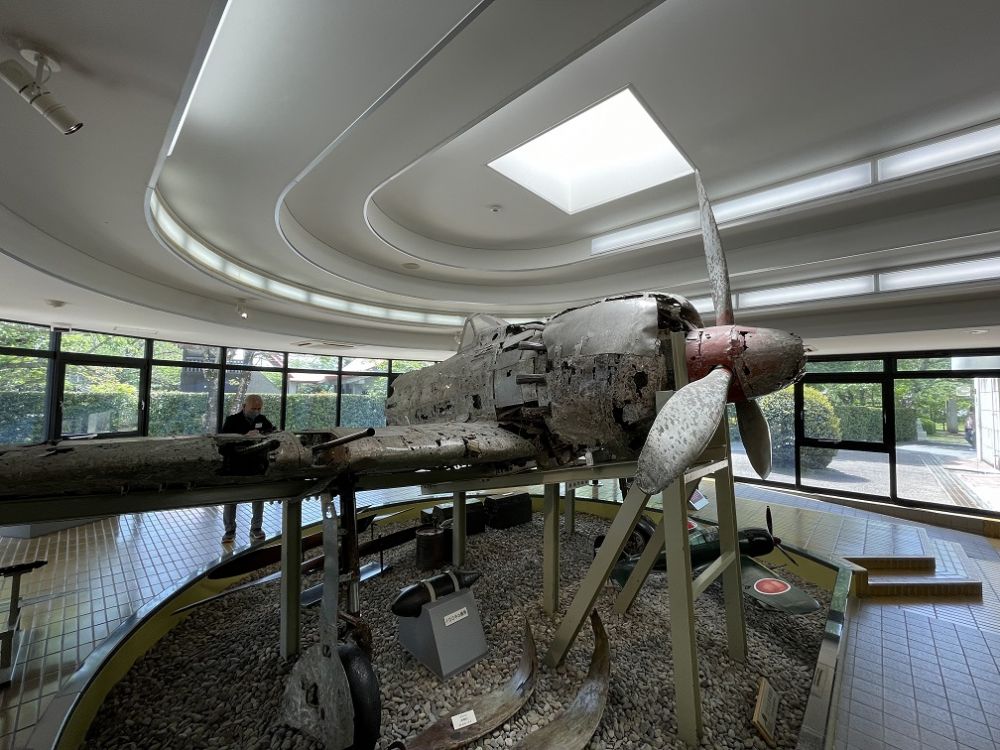
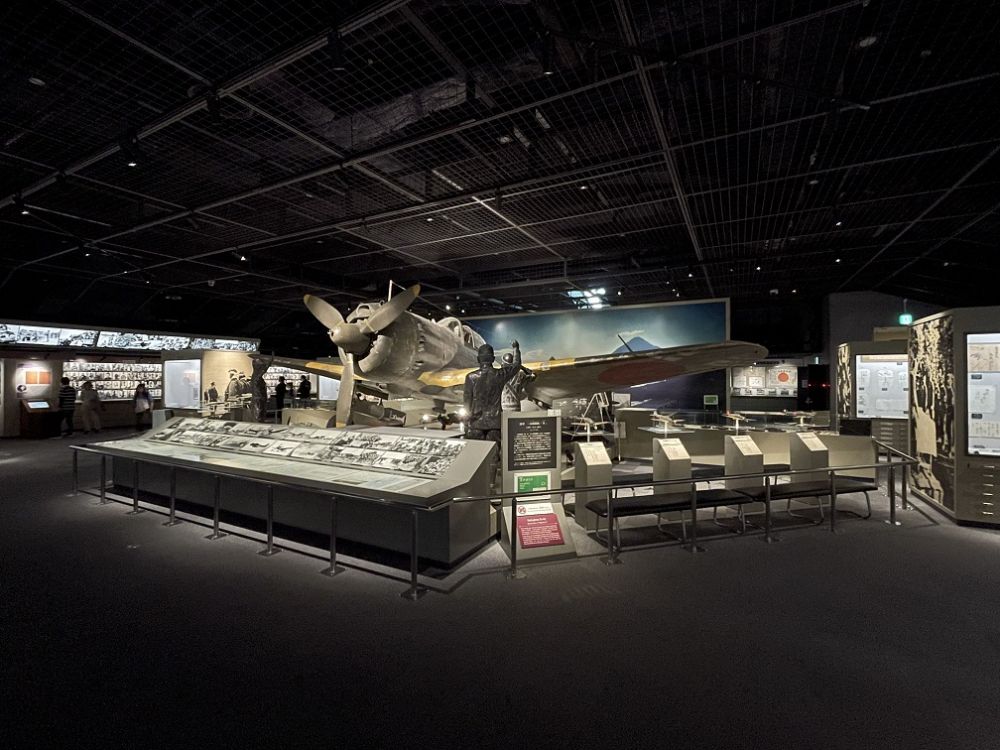
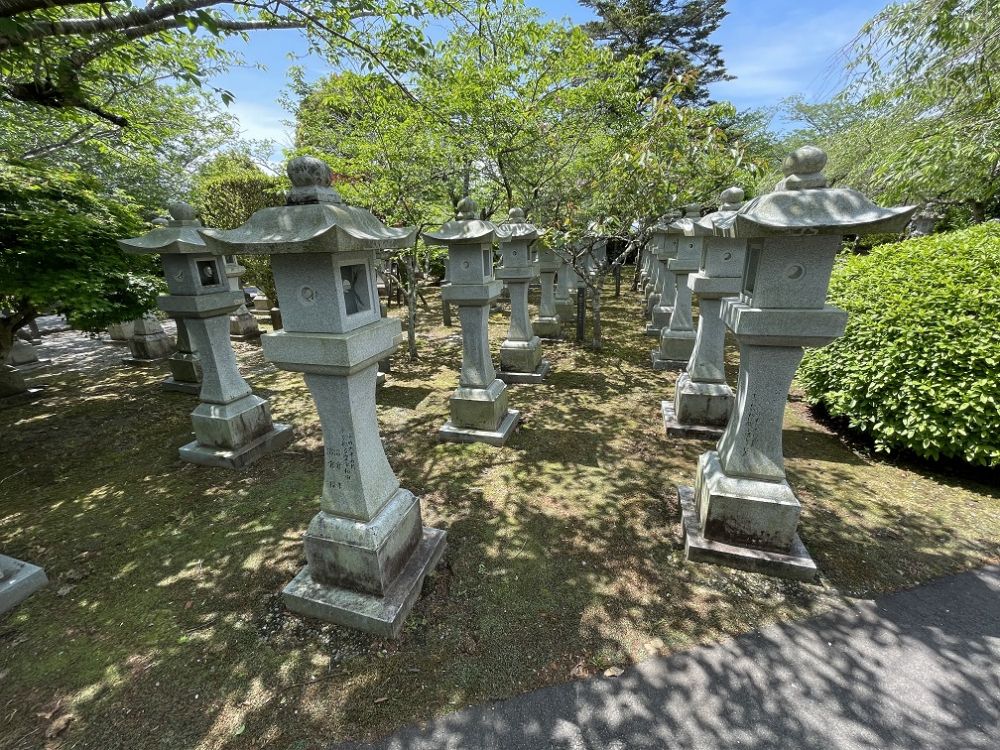
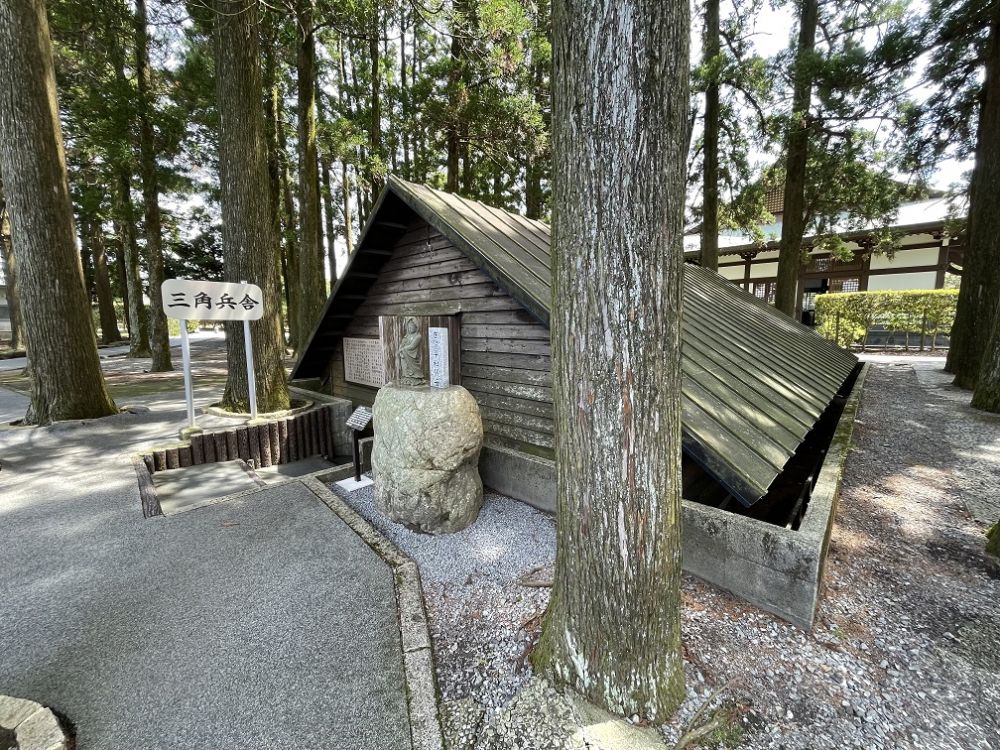
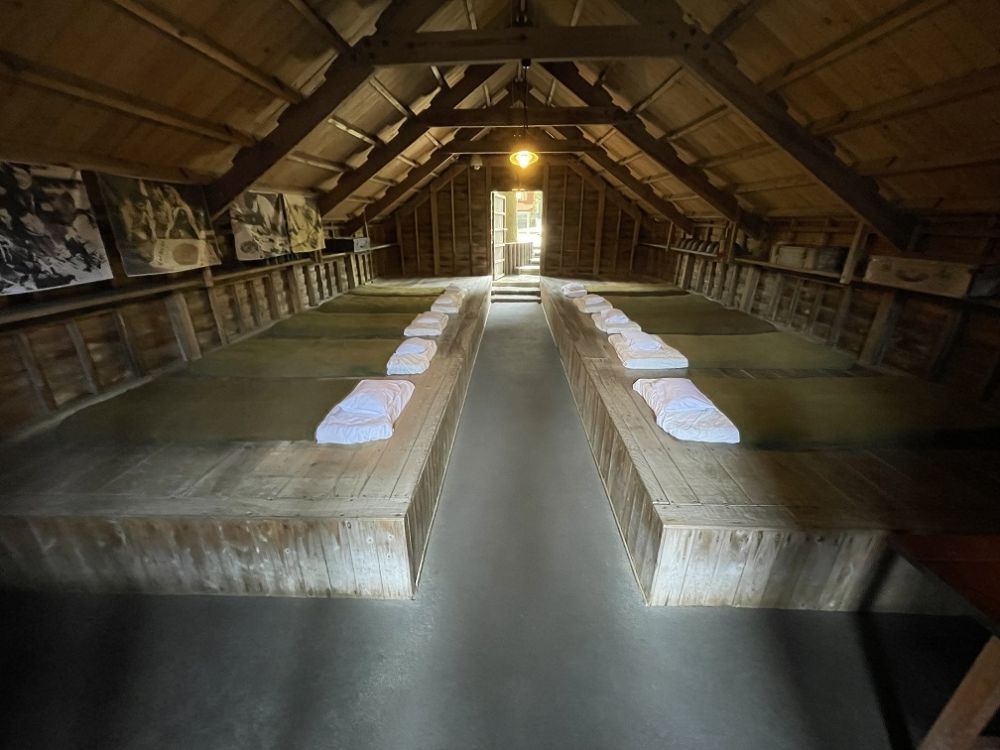
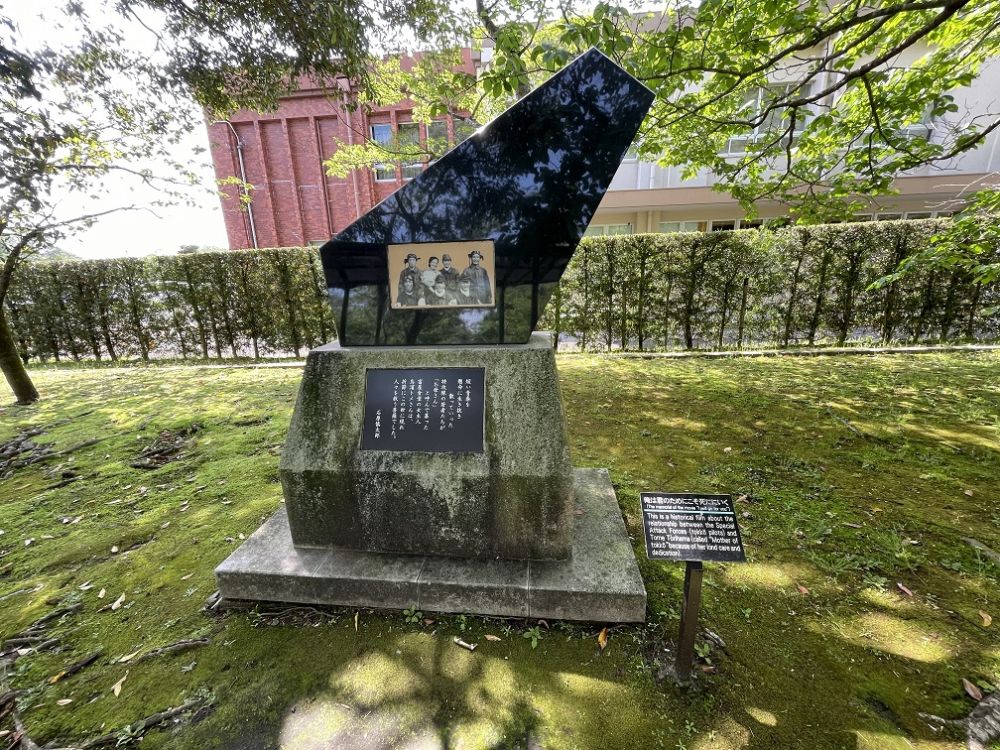
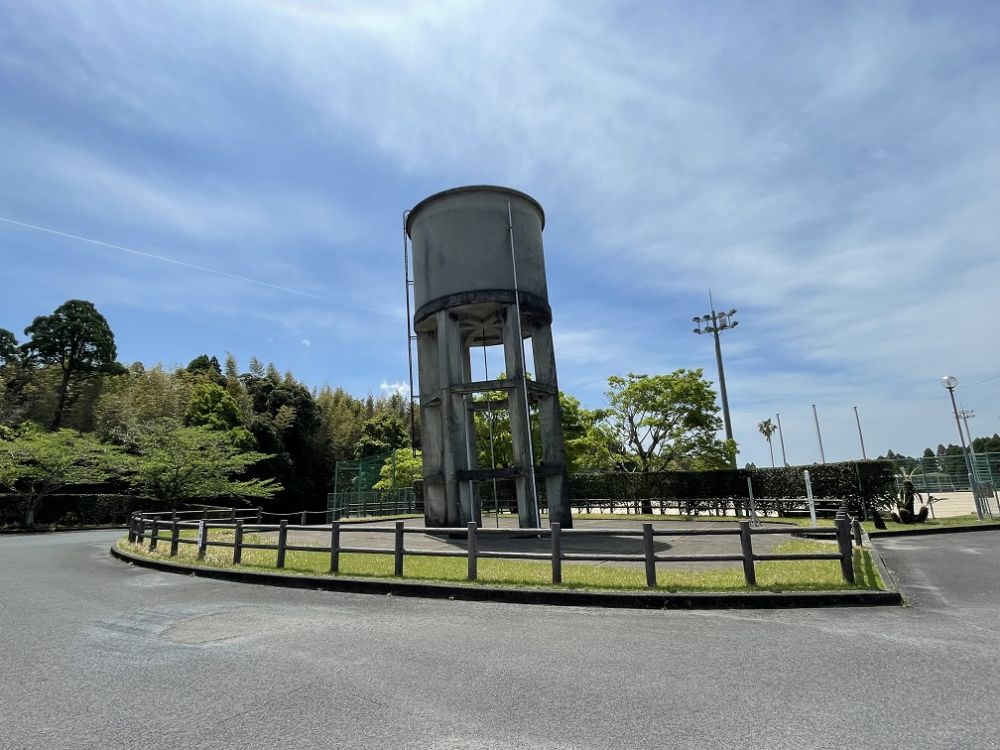
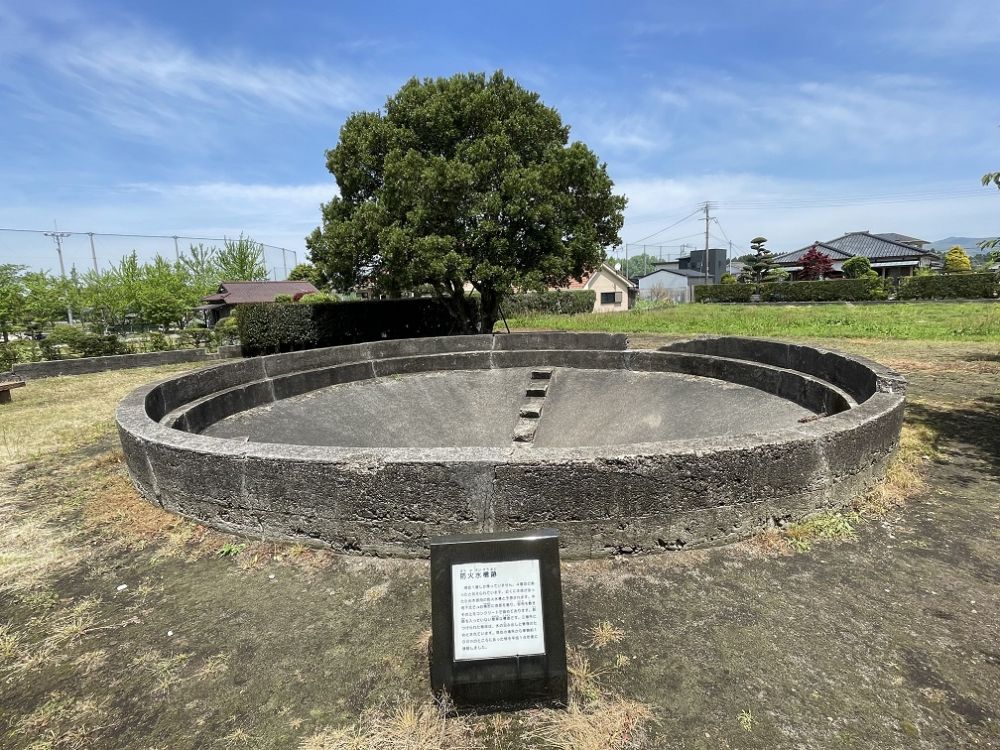
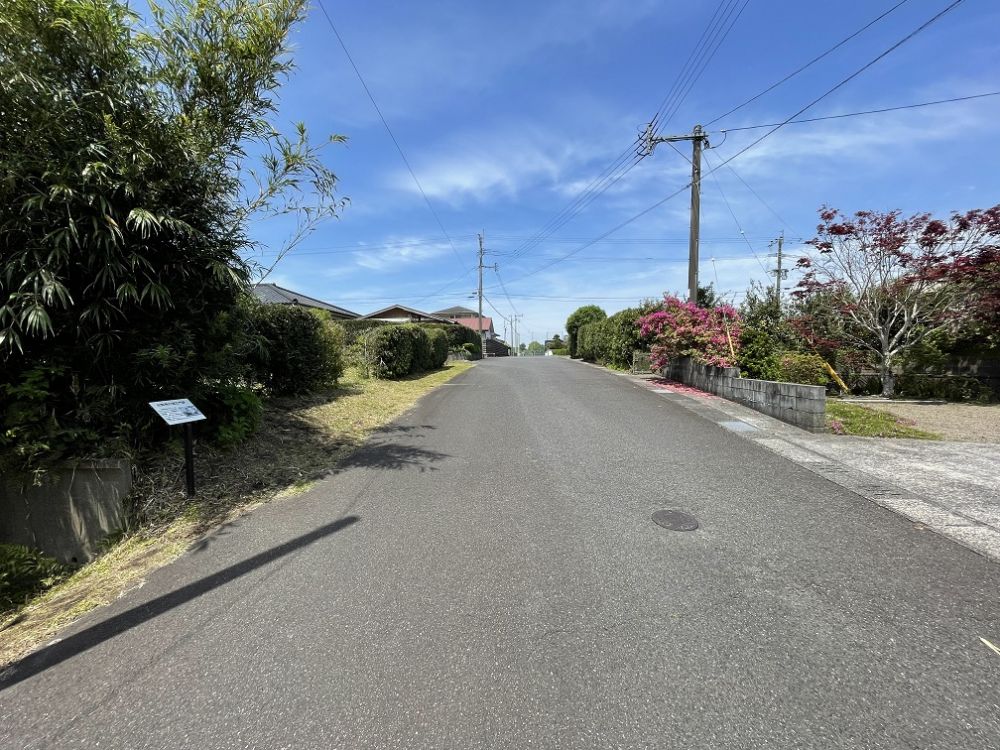
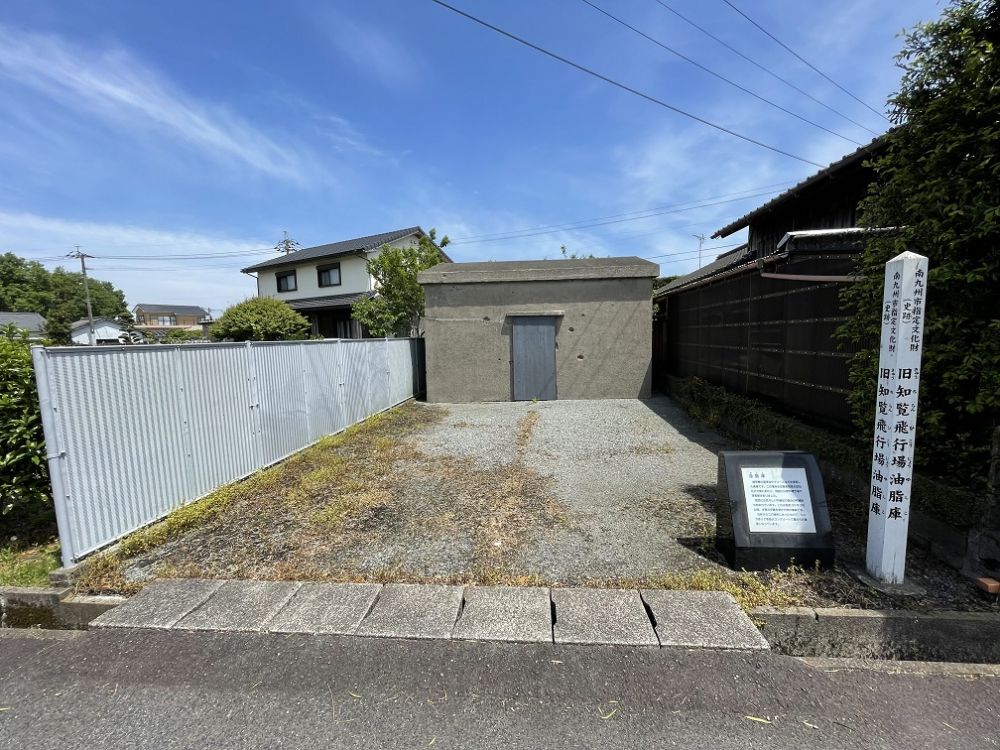
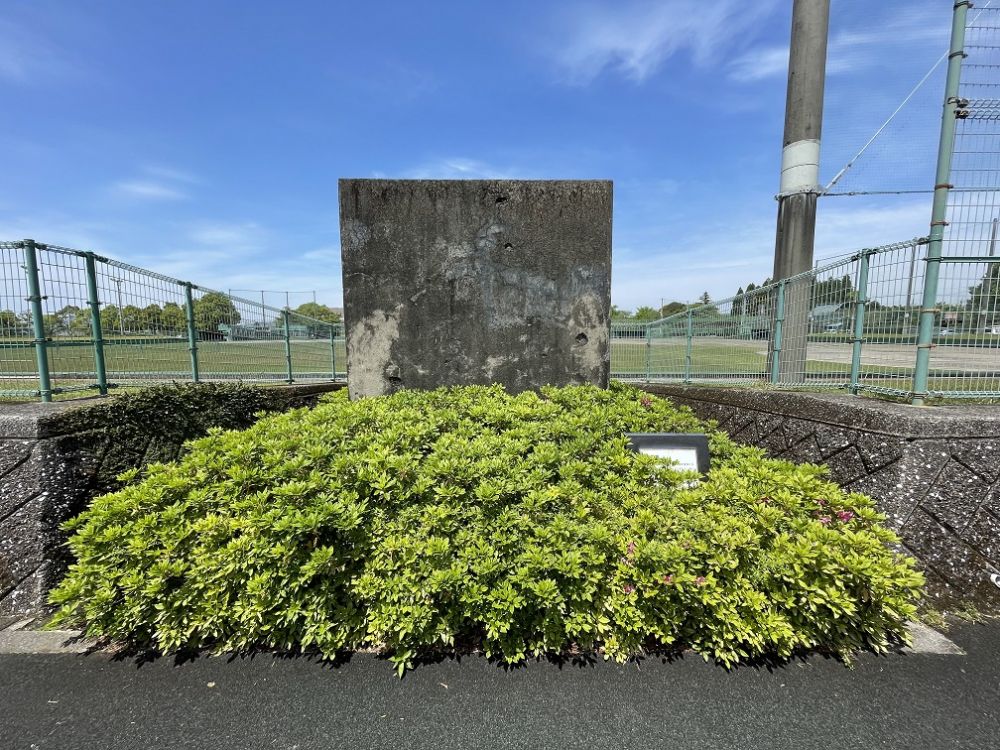
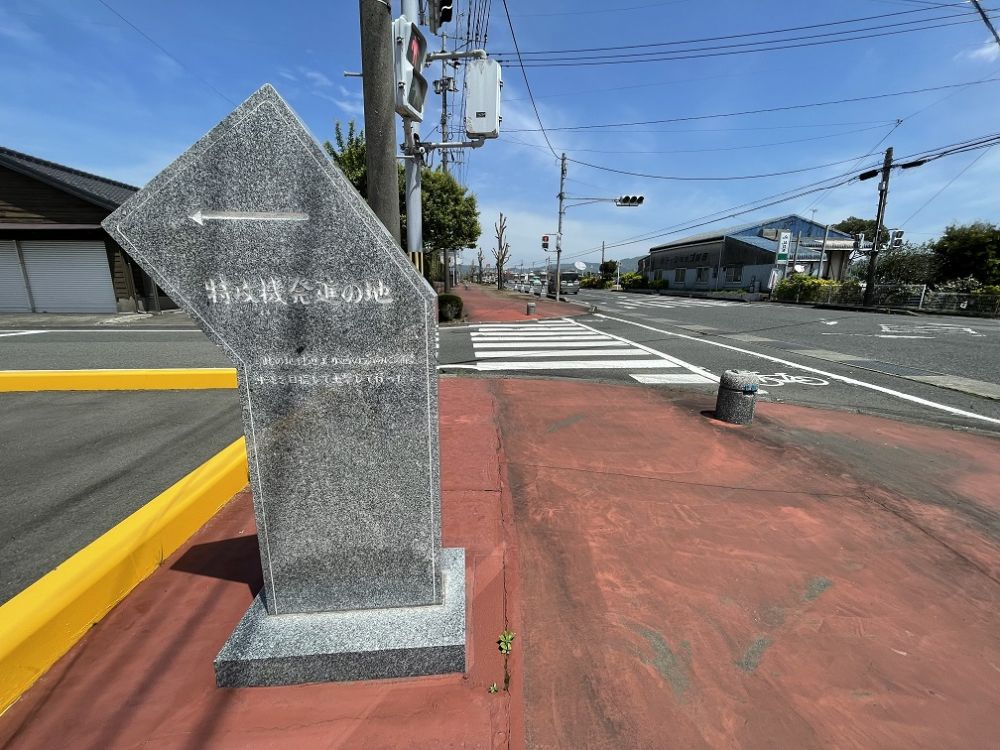
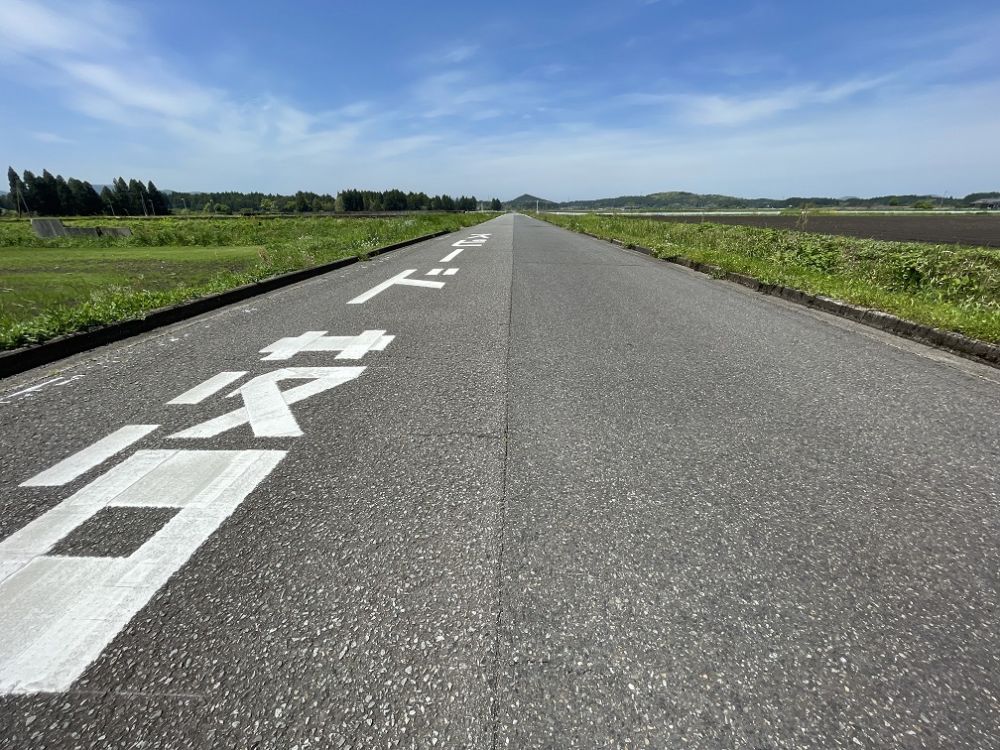
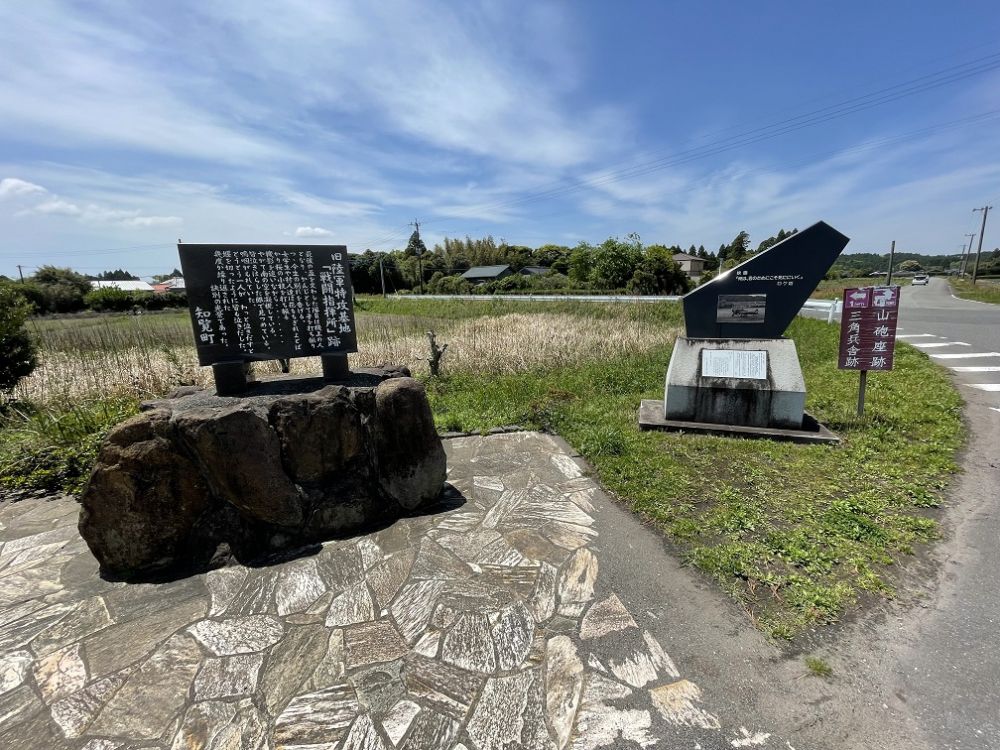
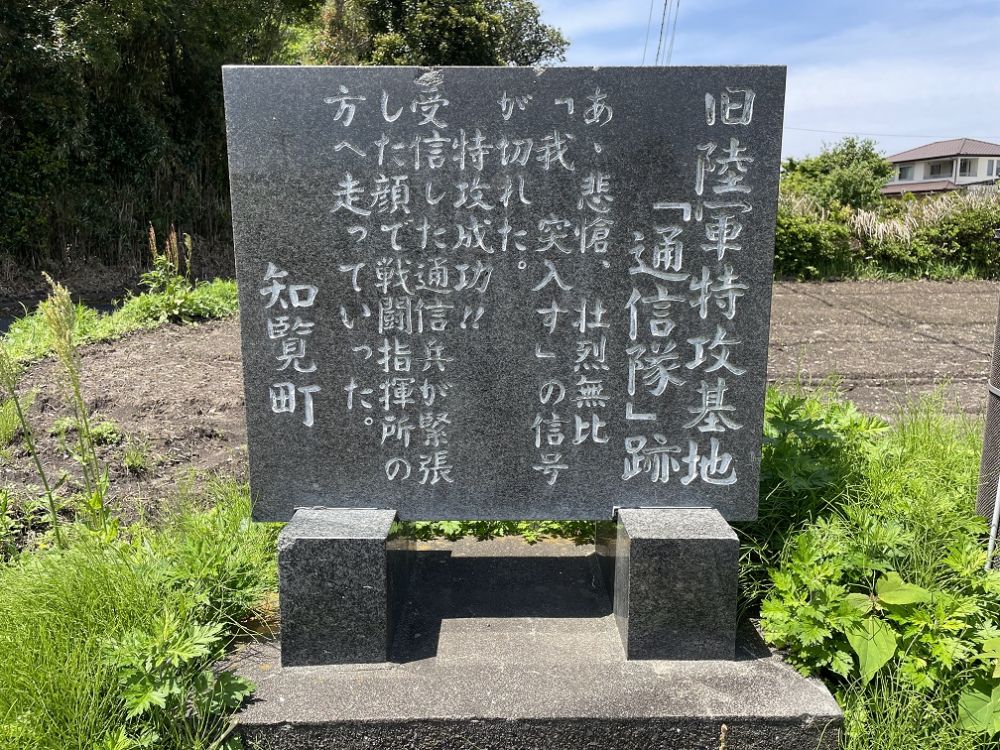
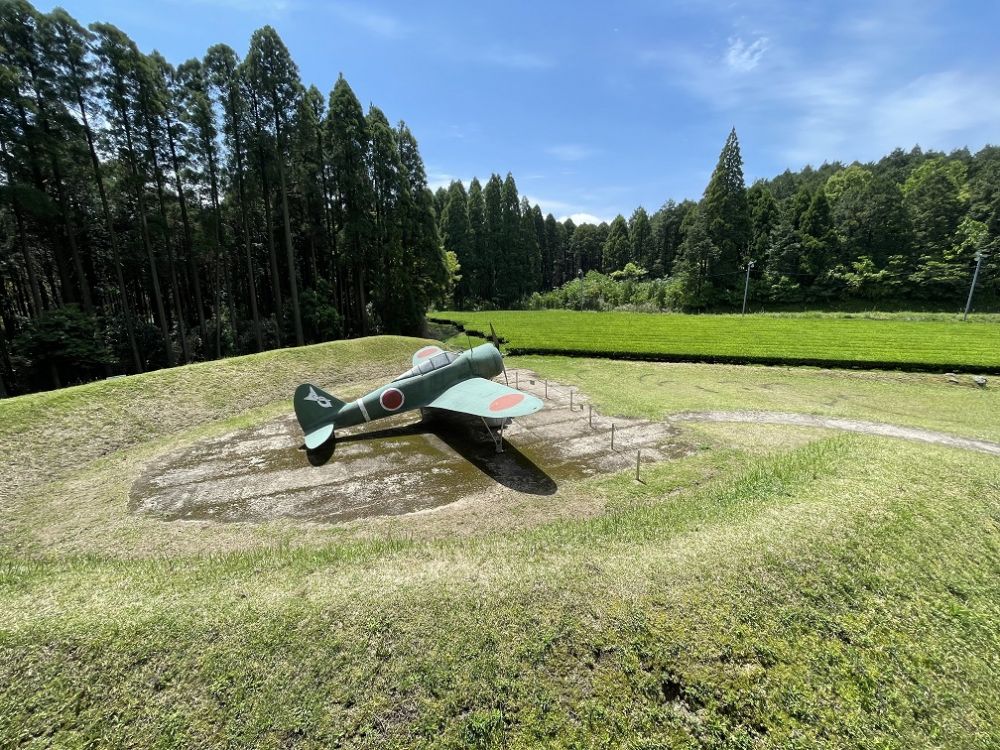
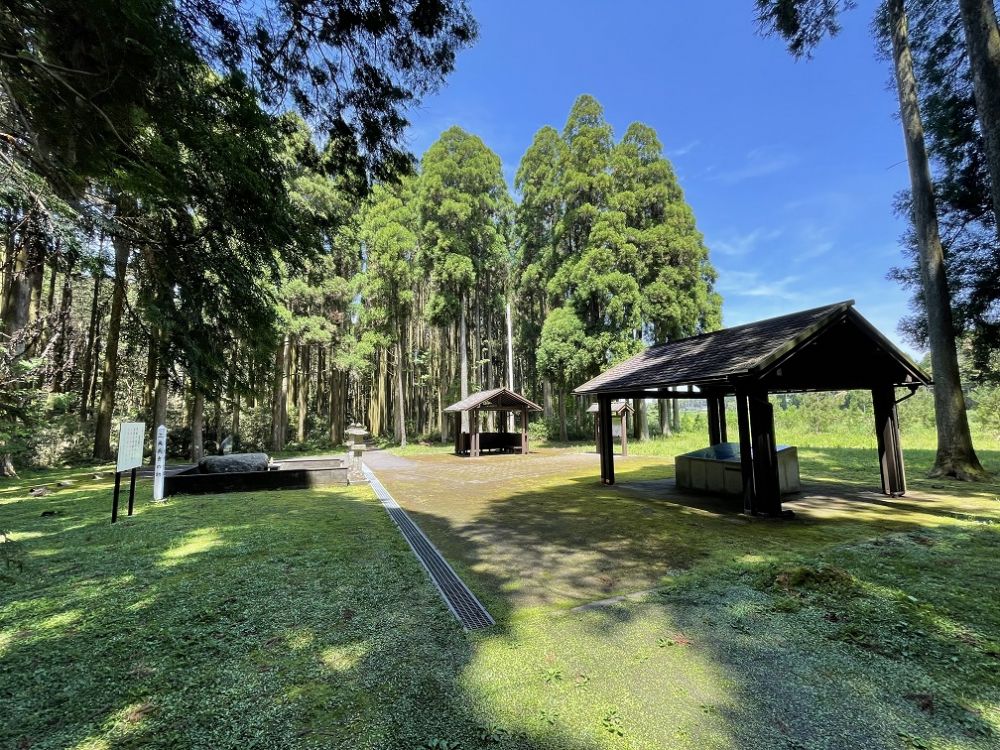
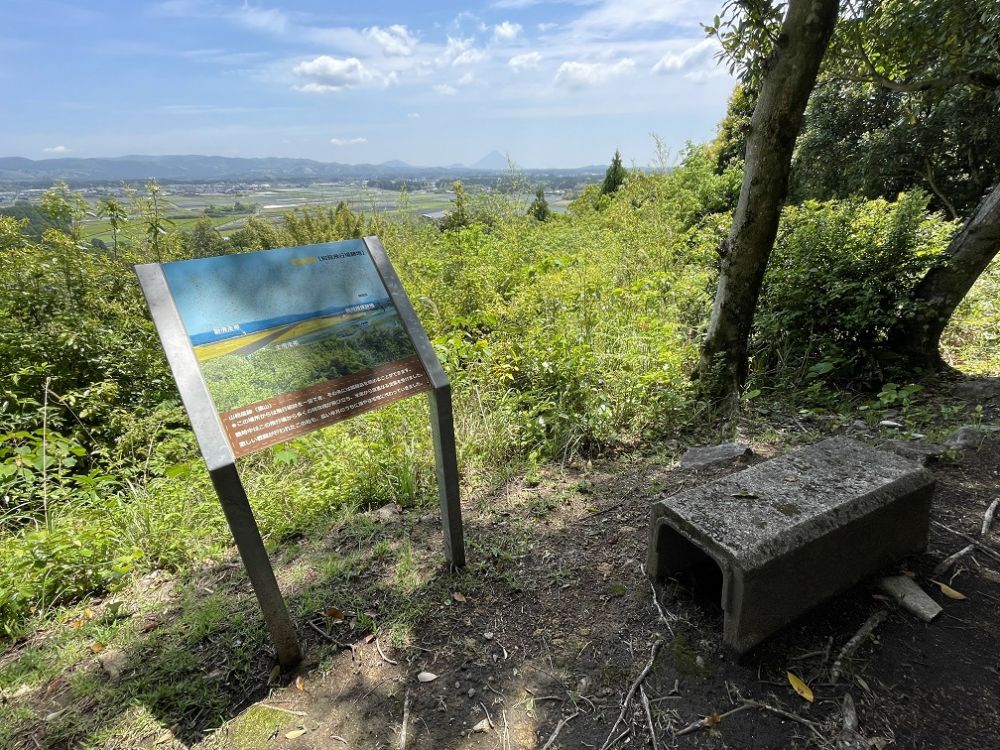
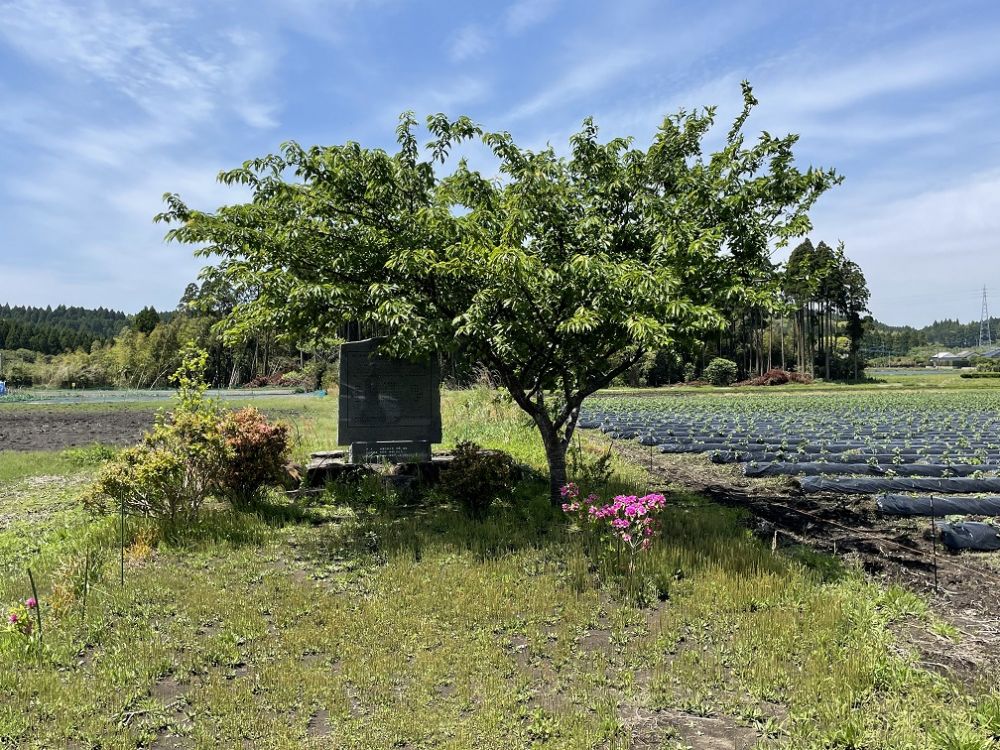
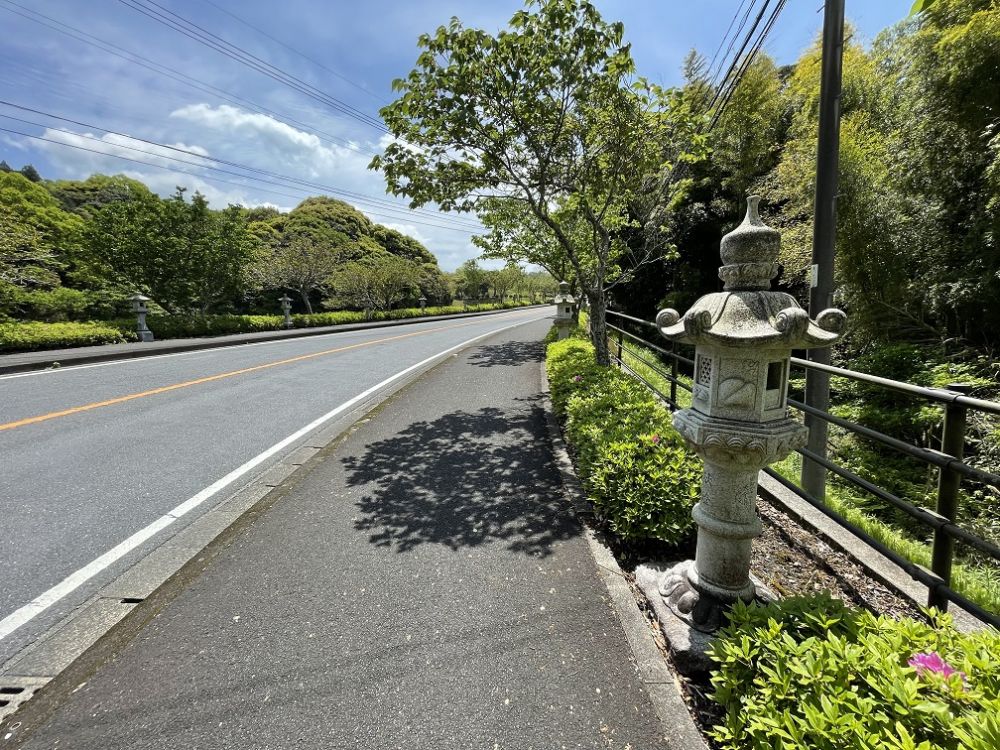
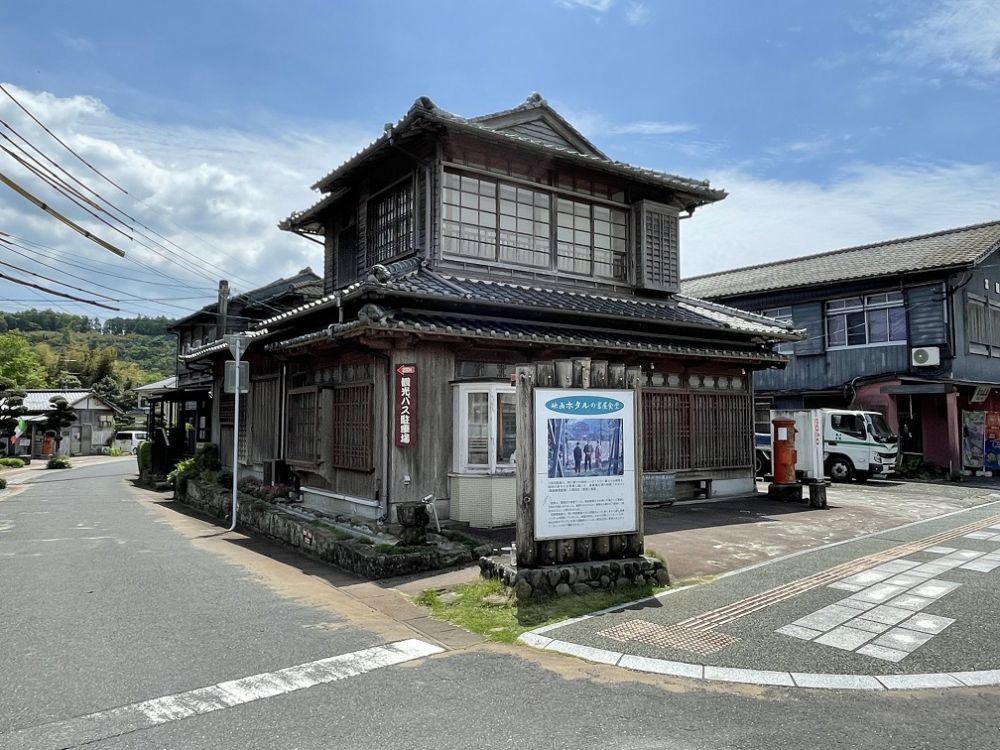
Chiran is a really interesting museum with a mix of historical artifacts, reconstructions, film clips, photographs and letters. The disadvantage is that most of it is in Japanese, but with all the translation programs available today, it can be solved. On the outside of the museum there are also interesting things to see. The airbase itself was demolished after the war and now consists of various houses and buildings, but some historic buildings that belonged to the base remain and are protected as historical heritage. There are also information boards everywhere, some with English text, others not. There are also about 1,000 lanterns symmetrically placed along roads in Chiran where each one represents a suicide pilot who died during a mission. At the entrance there is a patriotic statue of a Kamikaze pilot looking towards Okinawa. The museum claims to be a museum that cherishes peace. But at the same time one can´t miss the tribute and reverence around Kamikaze the museum highlight.