Okinawa
About 600 kilometers south of Japan in The East China Sea lies Okinawa. Okinawa is the largest of the Okinawa islands in the the Ryukyu archipelago. Japan annexed the archipelago in 1879, which until then was an independent kingdom living on trade with Japan, China, Formosa (Taiwan) and the Philippines. The Ryukyuan people had their own culture, religion and language, which was strongly disliked by Japan, which introduced Japanese culture, nationalism and language. Ryukyuan people were also seen as inferior than the Japanese. Islands such as Okinawa with its military strategic location came during the thirty and forties to be strengthened militarily several air bases.
In 1941, Japan attacked the US Navy base at Pearl Harbor, Hawaii, trying ro inflict sa much damages as possible to the US Navy Pacific fleet. The attack was partly a success, but large parts of the fleet were out at sea and escaped. Initially, Japan enjoyed great success in the Pacific and occupied a number of islands and island groups. A turning point in the Pacific war was the battle of Midway in June 1942 where Japanese and American naval and airborne forces clashed. During the battle, Japan suffered heavy losses and lost four aircraft carriers (Kaga, Soryu, Akagi and Hiryu), while the US lost only one aircraft carrier (Yorktown). Japan also lost about 300 planes while the United States lost about 150 planes, which turned the tide in the Pacific in favor of the US. In February 1943, Guadalcanal (part of the Solomon Islands) was recaptured, in November 1943 the Gilbert islands were recaptured, in the spring of 1944 the Marshall Islands, in the summer of 1944 Northern Mariana Islands, in autumn 1944 Palau (Peleliu) and in March 1945 Iwo Jima was taken.
At the same time as the battle for Iwo Jima raised, a amphibious landing operation was being prepared for Okinawa. The planning had already begun in the autumn of 1944, by then Formosa (now Taiwan) was also discussed as an alternative. Okinawa had several air bases and its proximity to the Japanese mainland made the island suitable as a springboard. For the operation the 10. army was created consisting of about 180,000 men from the marine corps and the army under the command of Lieutenant General Simon Bolivar Buckner Jr. The naval forces (fifth fleet) consisted of about 1500 various ships under the command of Admiral Raymond A. Spruance. The Naval forces also consisted smaller number from the UK, Canada, New Zealand and Australia. The Japanese defense on Okinawa consisted of about 70,000 men from the 32. army under the command of general Mitsuru Ushijima. Japan had also forcibly recruited some 39,000 Ryukyuan people under the command of the army. About 9000 sailors (with insufficient combat training) were also recruited for the defense under the command of vice admiral Minoru Ota.
The invasion off Okinawa was codenamed, ICEBERG, and started on March 26 when the American 77. infantry division landed on an archipelago called Kerama about 25 kilometers southwest of Okinawa. The Japanese defense was weak and the islands could be conquered in three days. The purpose was to have Kerama as a naval depot and a safe harbor protected from Japanese artillery on Okinawa. Three smaller islands, Keise Shima, about eight kilometers from Naha (Okinawa’s capital) were also conquered. At Keise Shima, the Americans set up artillery to support the coming invasion on the main island (Okinawa). A few days before the landing, naval and aircraft carriers launched massive bombardment and airstrikes against Japanese defences on Okinawa. The aim was to inflict as much damage as possible to the Japanese defence prior the landing.
On April 1, about 60,000 American troops landed on a 15-kilometer stretch of beach (Hagushi) on the west side of the island. Surprisingly, the Americans met only sporadic resistance and were able to take the Kadena and Yomitan airbases with relatively small losses on the first day. Something that was planned to be achieved in the following days. The Americans then divided into a northern and southern advance. The advance north proceeded without any major problems and the northern part of Okinawa was conquered by 6. marine division in about 14 days without significant losses. The fiercest battles were fought on an island called Ie Shima just outside the Motobu Peninsula. Ie Shima had airbases and radar stations that the Americans wanted to conquer and therefore landed 77. infantry division on Ie Shima on April 16. The Japanese fought furiously, but after four days of fierce fighting, the island was in American hands.
The advance south went smoothly the first few days but then all hell broke loose. The Japanese commander had deliberately held back the forces during the landing. Something that to some extent puzzled the Americans when they had expected hard resistance. Ushijima understood that Okinawa was lost, but he intended to let the Americans pay a high price. It was also important to gain time to build up the defence on the mainland ahead of a coming invasion. In Okinawa, the Japanese had in 1944 began building extensive tunnel systems and strong defensive positions on number of ridges and hills along the American advance. Defence lines were constructed in such a way that when one line fell, it was immediately replaced by another. The Japanese therefore fought hard and inflicted the 96. 7. and 27. infantry divisions noticeable losses in both soldiers and materials (27. and 96. were lster replaced by 1. marine division and 77. infantry division). American tanks became easy targets for Japanese anti-tank guns in the narrow passages surrounding the ridges and hills. Fierce battles were fought at Pinnacle, Cactus Ridge, Kakazu Ridge, Hacksaw Ridge, Big Apple Ridge, Kanushi Ridge, Dakeshi Ridge, Connical Hill, Sugar Loaf Hill, Horseshoe Hill, Half Moon Hill and Shuri Castle.
Americans were also about to learn (if they didn’t already know from previous campaigns) that the Japanese fought furiously and largely refused to surrender. They remained hidden in caves and tunnels and carried out suicide attacks when nothing but capitulation remained. The Americans therefore used flamethrowers and phosphorous- and hand grenades to subdue the Japanese who hid in caves and tunnels and refused to come out. In these cases, it was not only Japanese soldiers who were killed but also civilians who sought refuge in caves, either voluntarily or brought there by force. The Japanese often forced civilians out of the caves to obtain supplies. A large proportion of the civilians who died on Okinawa were killed in the line of fire. It also happened that doctors, nurses and wounded soldiers were killed because some caves served as field hospitals.
Japanese defence tactics had effectively slowed down the American offensive in the south. But there were still different views about how the island could be defended in the best way. Ushijima’s chief of staff, lieutenant general Isamu Cho, advocated an aggressive strategy to attack the Americans with massive frontal attacks. Something that he also considered would be good for combat morale. Ushijima’s military adviser, Colonel Hiromichi Yahara, instead advocated the defensive strategy applied so far rather than seemingly pointless suicide attacks. Ushijima was nevertheless persuaded of a counteroffensive and on May 4 the Japanese attacked American defenses north of the Shuri line. But the attack was ill-prepared, ill-coordinated and had no air support. The Americans could therefore fight back the attack with relative ease. At the same time, the Japanese tried to attack the americans from the sea by landing on respective flanks and attacking the americans in the back. But this failed completely when both boats and men were sunk before they reached land. About 3,000 Japanese died in this offensive and they returned to Yahara’s defensive strategy for the rest of the battle.
Off the coast of Okinawa, the US NAvy continued to support the ground offensive but came to acquaint itself with a new form of enemy, namely Kamikaze (divine wind), Japanese suicide pilots. However, it was not entirely new because the first official Kamikaze attacks carried out by specially established suicide units (japanese: Tokubetsu Kogekitai) were carried out in October 1944 during the battle of Leyte bay outside the Philippines. At the battle of Okinawa, Japanese suicide units carried out between April 6 and June 22 about 1,500 attacks on American (and its allies) warships. The attacks were called KIKUSUI and took off from bases on Kyushi (the southernmost of Japan’s four mainland islands) and Formosa (now Taiwan). The main targets of the attacks were aircraft carriers or other large ships, such as battleships, cruisers or destroyers that supported the ground forces on Okinawa. However, the majority of Kamikaze was shot down by either the ships air defense, by fighter planes, or the pilots simply missed their targets. Only between 30–35 ships were sunk (but no aircraft carriers) and between 200 and 400 were in one way or the other hit by Kamikaze. For example, the aircraft carrier, USS Bunker Hill, was hit seriousily by two Kamikaze on May 12 and had to be withdrawn from service for the rest of the war. The number of casualties in the dead, missing or injured as a result of Kamikaze amounted about 10,000 men. Don’t forget the psychological stress Kamikaze caused the crew of the ships. In addition to suicide attacks from the air, similar attacks were carried out at sea with a form of suicide boats loaded with explosives. But these were slow and could be relatively easily destroyed before reaching their goals. But the losses suffered by the American fleet at Okinawa were and are the largest they have suffered so far.
Another desperate action on the part of the Japanese and condemned to fail was to let the battleship Yamato, escorted by eight destroyers and a light cruiser, but without air support, to sail from Japanese port towards Okinawa on April 6. Yamato was the largest battleship ever built and the pride of the Japanese fleet. The operation was called TEN-GO and meant that the Japanese ships under cover of darkness would attack American ships off the coast of Okinawa. Subsequently, the ships would be stranded and, to the extent that it was possible, to continue firing American targets. Excessive crew members would join the Japanese ground forces on Okinawa and continue the fight. But the Americans had from the beginning its eyes on Yamato and her entourage. On the same day they sailed, they were discovered by American submarines scouting off the coast of Japan. When it became clear that they were heading for Okinawa, the US sent an aircraft carrier force. The American superiority was total and during massive bomb and torpedo attacks, Yamato was sunk on open sea on April 7, long before they were near Okinawa. About 3,000 of the approximately 3,300 strong crew followed Yamato into the depths. Of the escorts, five were sunk while the others were damaged and had to abandon the mission.
Another suicide mission was carried out on May 24 when twelve planes with 136 Japanese commandos took off from Japan towards Okinawa. The goal was Yomitan airbase and the plan was to (crash) land the planes and then in a quick attack destroy as many planes and installations as possible. However, four of the planes had to abandoned the mission due to engine failure. But the other planes managed to land and during the subsequent attack the Japanese managed to destroy about forty planes. All Japanese were killed during the battle. However, the damage to the airbase was negligible and the next day it was operational again.
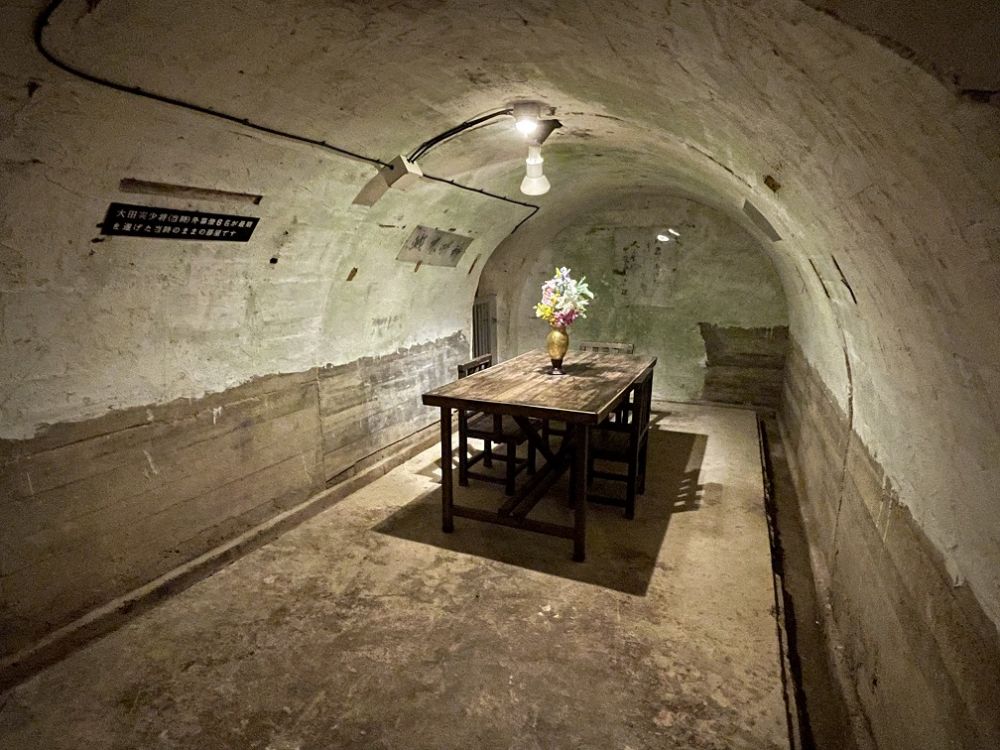
On land, the army and the aarines continued their advance southward. Slowly and with heavy losses. Add to that heavy monsoon rains at the end of May that made the advance even more problematic. But by the end of May, the last major Japanese line of defense at Shuri Castle had fallen (along with 32. army headquarters). But Ushijima had cunningly managed to evacuate the remaining forces from Shuri to a final line of defense in southern Okinawa (Mabuni Hill), under the cover of darkness and rain. But when that also was about to fall, Ushijima and his chief of staff, lieutenant General Isamu Cho, chose to commit traditional suicide (seppuku) in a tunnel to avoid the disgrace of being captured. Navy commander Minuro Ota also committed suicide when his Naha headquarters were surrounded by American forces in mid-June.
The United States declared victory on June 22, although some purging actions of sporadic resistance pockets continued June out. Okinawa was then more or less devastated, especially the southern part, including the capital Naha. The official surrender took place on August 15 at the Kadena airbase. The victory, however, was immensely costly for the Americans at the price of about 50,000 in dead, wounded and missing. Former commander Simon Bolivar Buckner Jr. died on June 18 when he was killed by japanese shrapnel during a visit at the front. However, the losses of the Japanese were even higher, with an estimated 100,000 to 120,000 killed. About 10,000 Japanese soldiers and forcibly recruited surrendered or were captured. The civilian death toll is difficult to estimate but is probably somewhere around 120,000 – 150,000. Roughly one out of four civilians in Okinawa died during the battle. Most of them had been killed in battles, others were missing, but there was also suicides. Japanese propaganda had portrayed the Americans as murderers and rapists, causing many civilians to commit suicide out of fear. But it also happened that the Japanese forced civilians into collective suicide. However, the suicide of Okinawa was not to the same extent as they had been on Saipan the year before.
The next target for the Americans (along with Britain) was to invade the Japanese mainland. The operation was named DOWNFALL and was scheduled to November 1945. But with Okinawa in fresh memory and the heavy losses that followed the battle and the furious resistance offered by the Japanese, the Americans understood that an invasion of the Japanese mainland would likely be a long and costly story. But in parallel with the battle of Okinawa, the American was in the process of developing an atomic bomb (Manhattan project). In mid-July 1945, a first (successful) test of an atomic bomb was conducted in the New Mexico desert. Aware of the losses faced in an invasion of the Japanese mainland, President Truman decided to use the atomic bomb to force Japan to surrender. The first atomic bomb was dropped on August 6, 1945, over Hiroshima and when Japan did not capitulate, another one was dropped on August 9 over Nagasaki. Faced with this ”superbomb” as well as the Soviet invasion of Japanese Manchuria (9 august) and the fact that Japanese units were stuck in China, the Japanese realized the futility of continuing the war and surrendered unconditionally on August 15, 1945, thus the planning of DOWNFALL could be discontinued.
Current status: Preserved with museums/monuments (2026).
Get there: Car.
Follow up in books: Belote, James H. Belote, William M.: Typhoon of Steel: The Battle for Okinawa (1970).
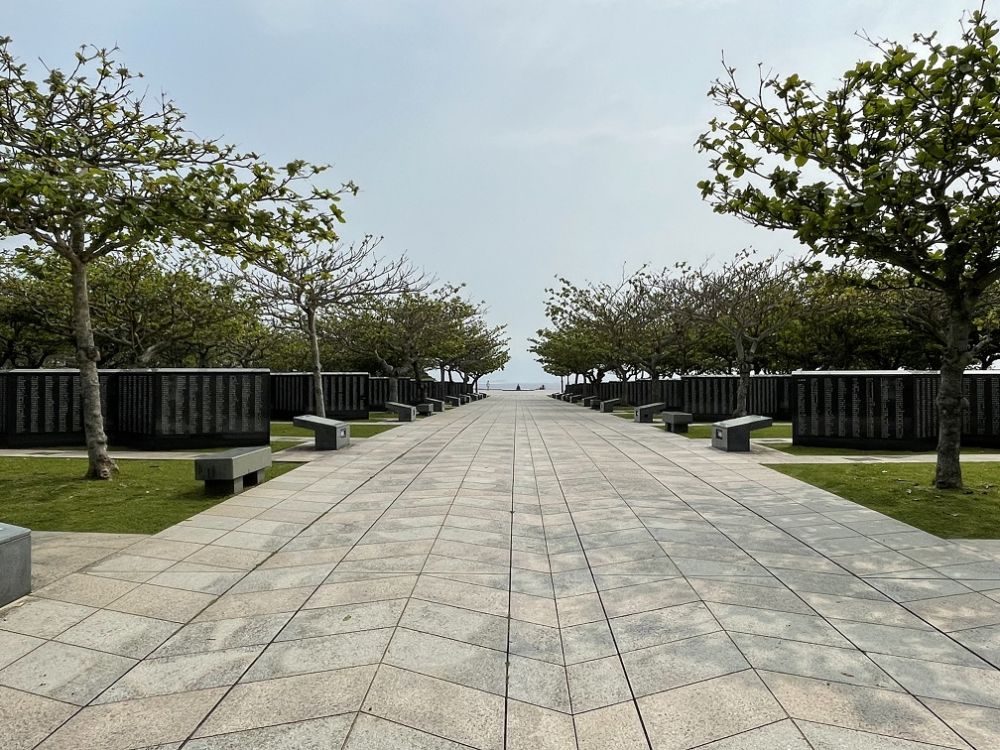
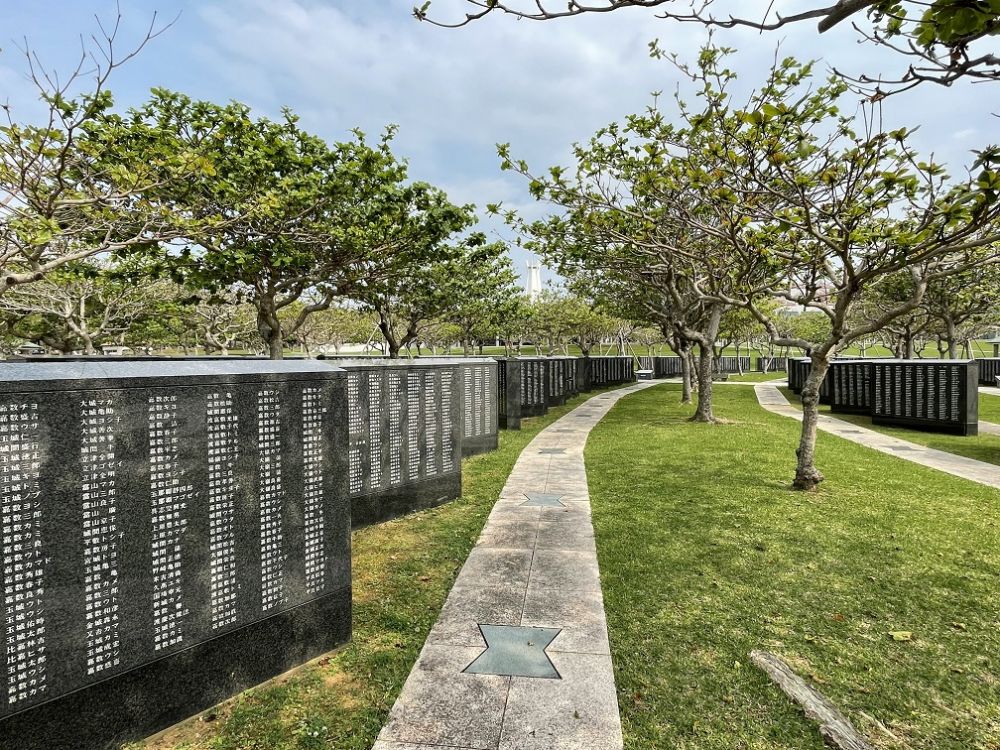
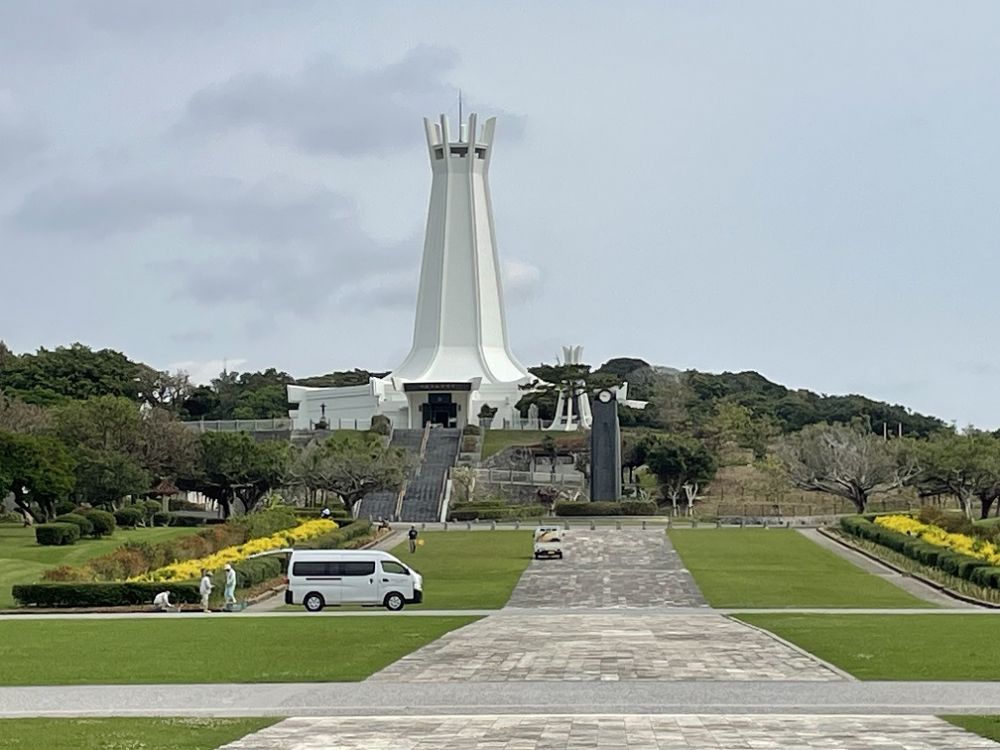
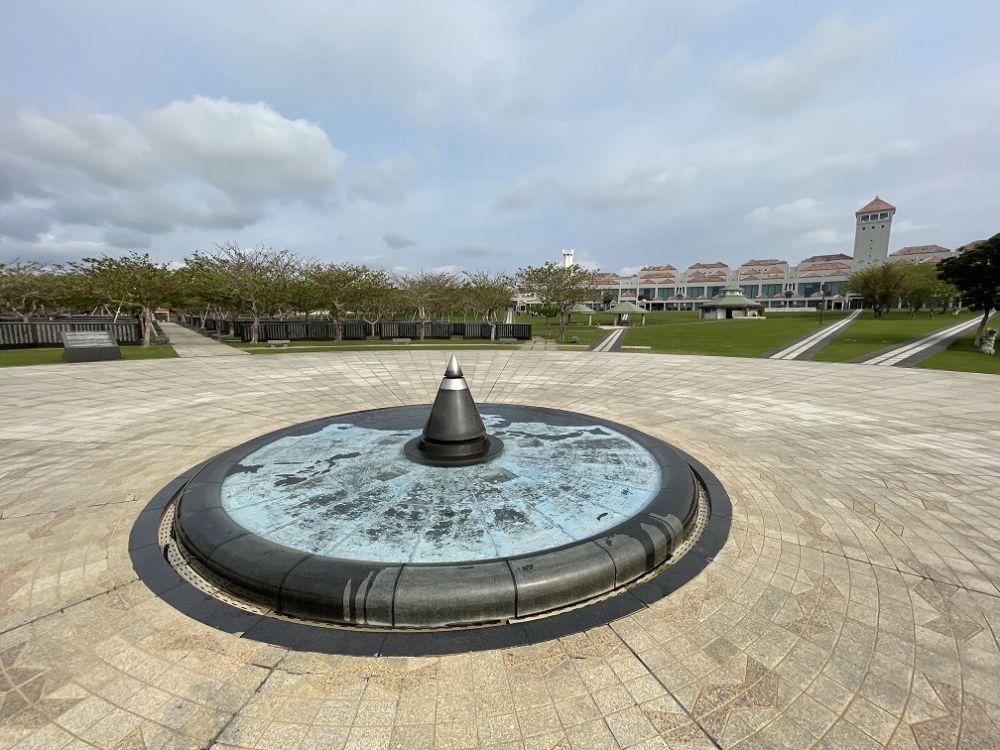
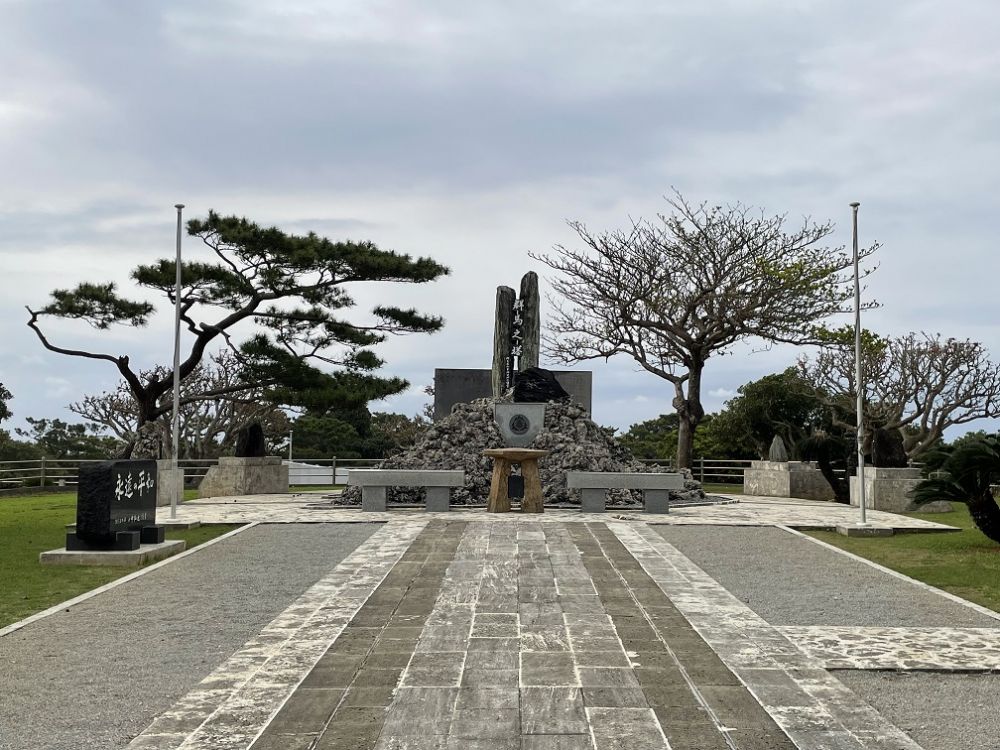
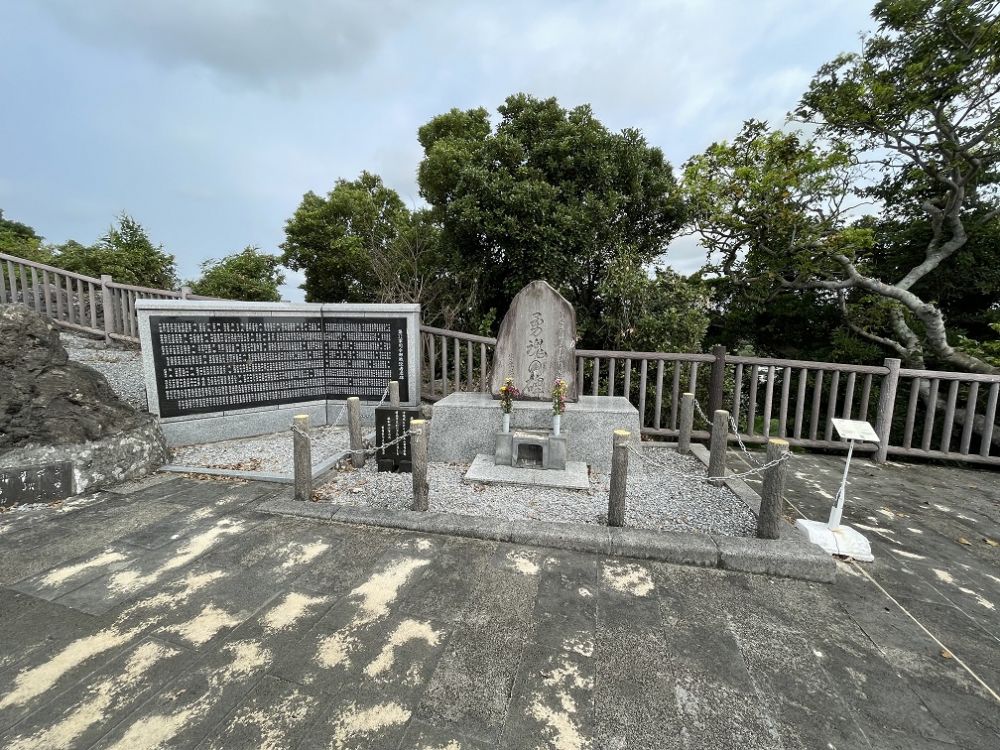
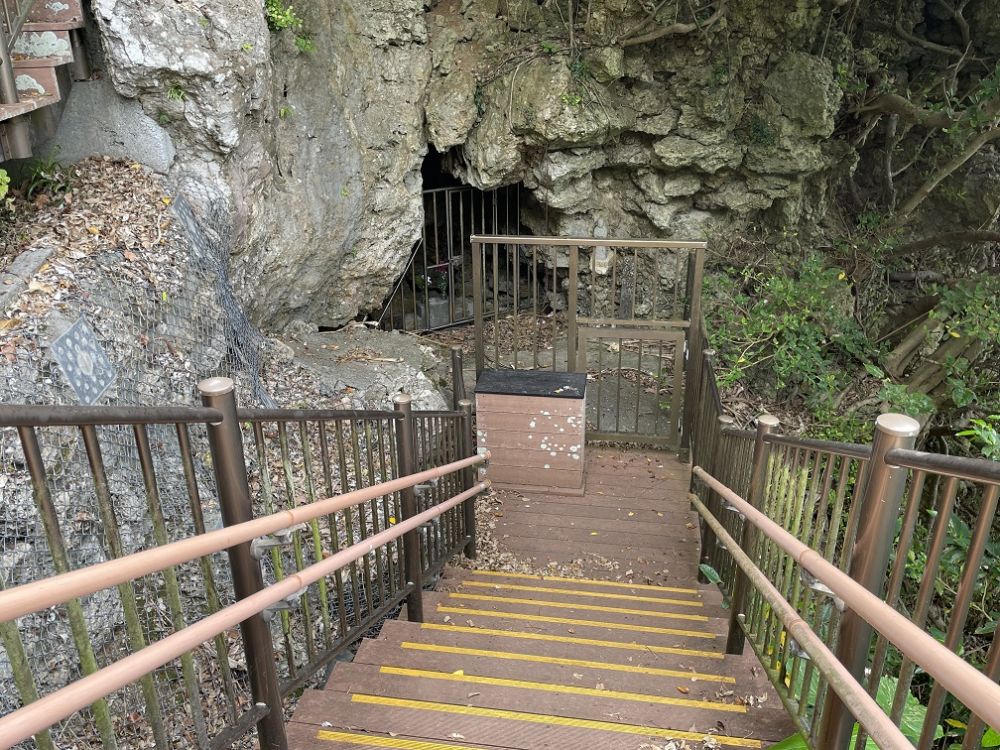
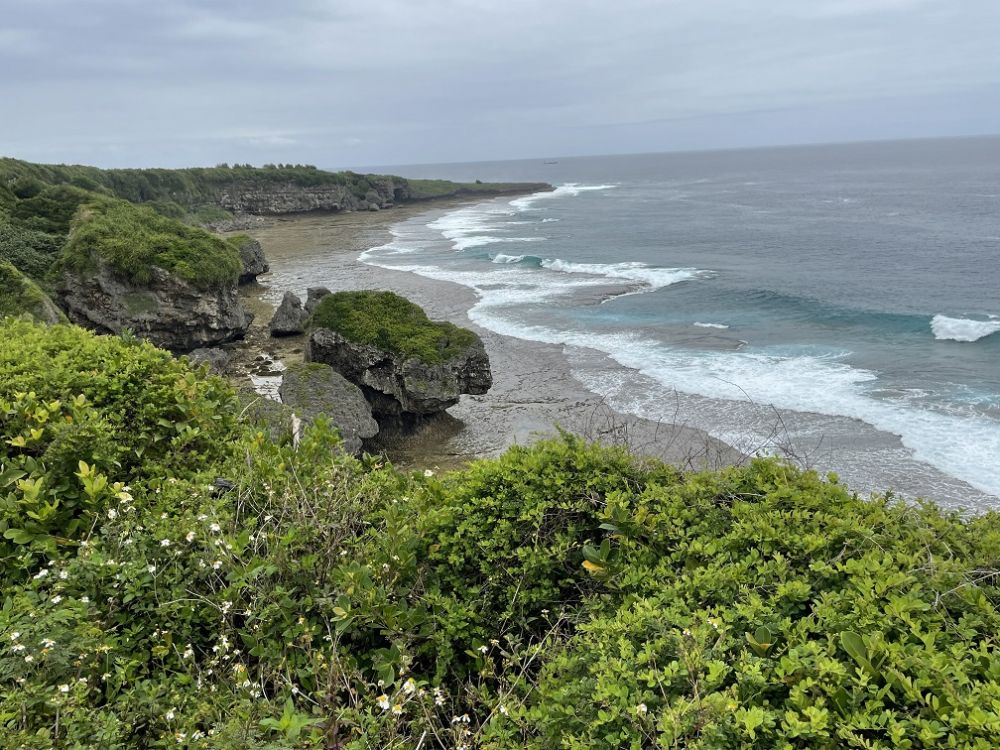
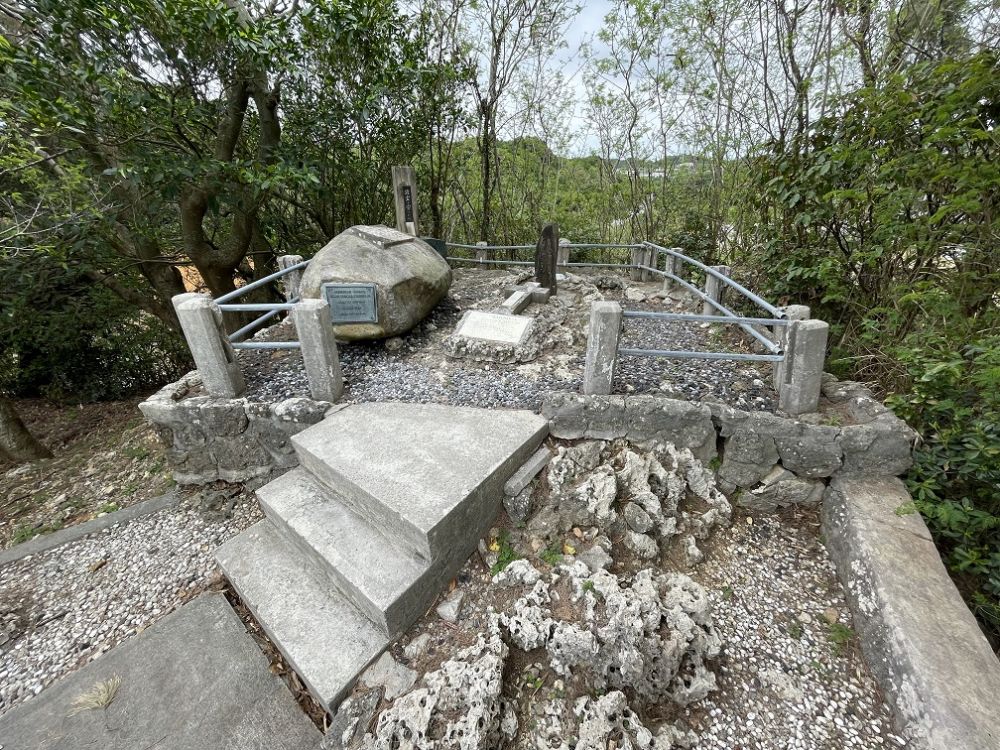
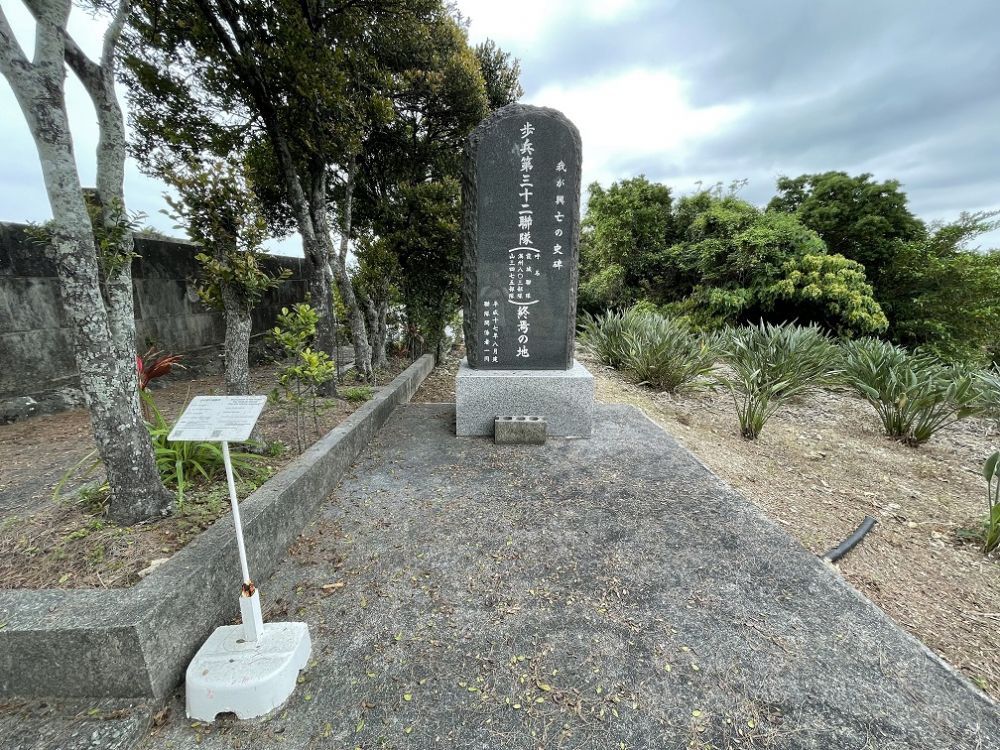
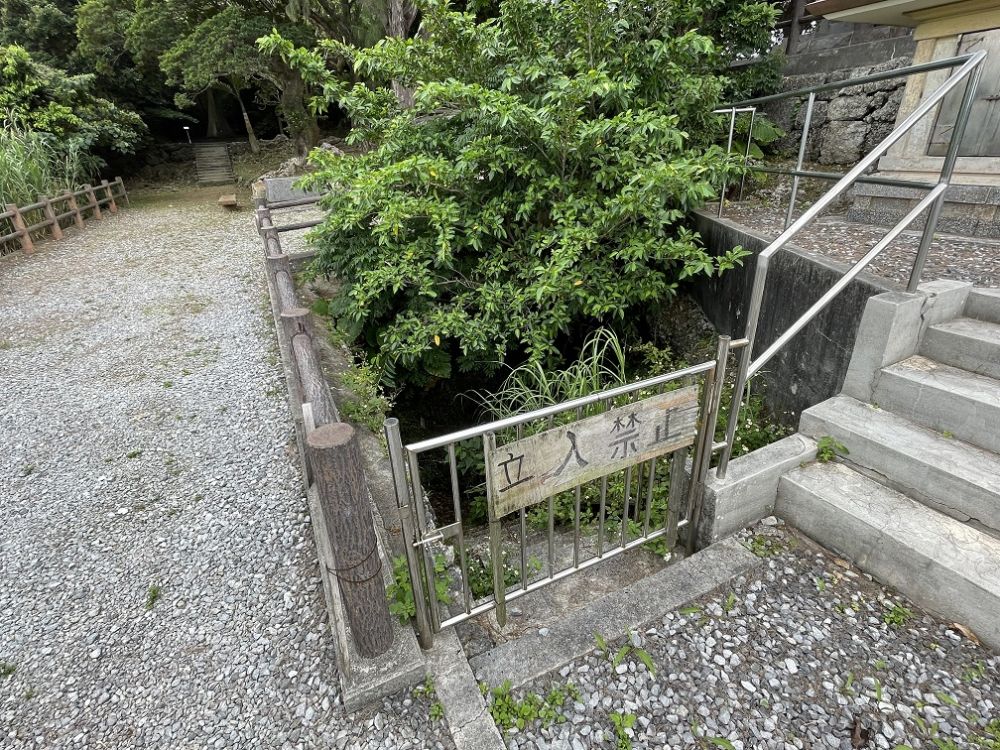
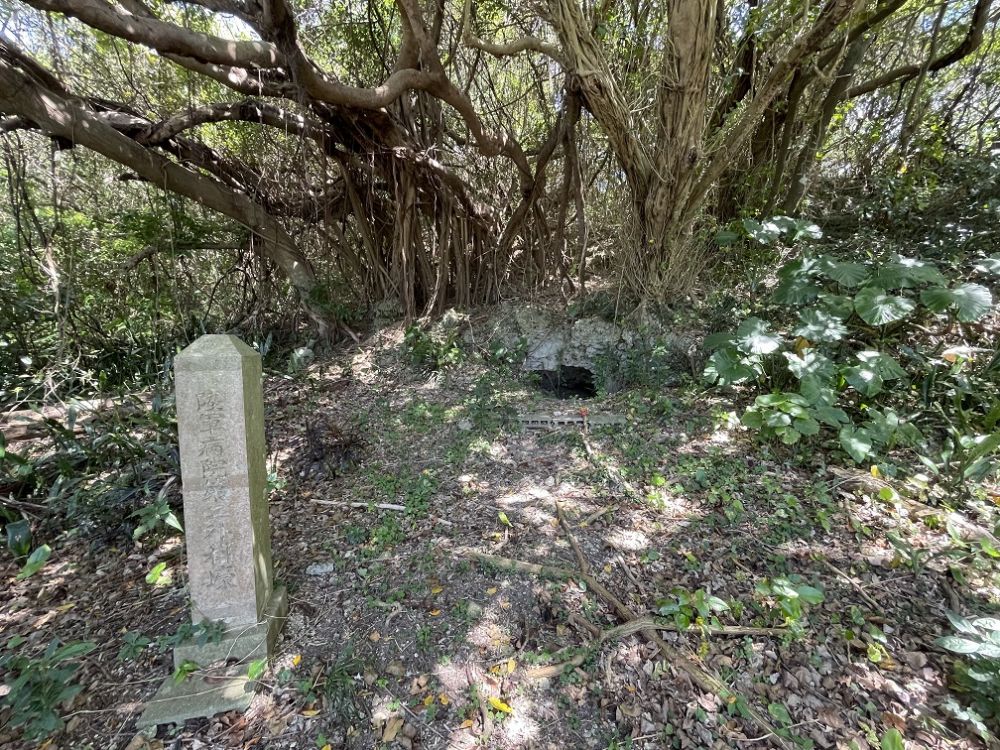
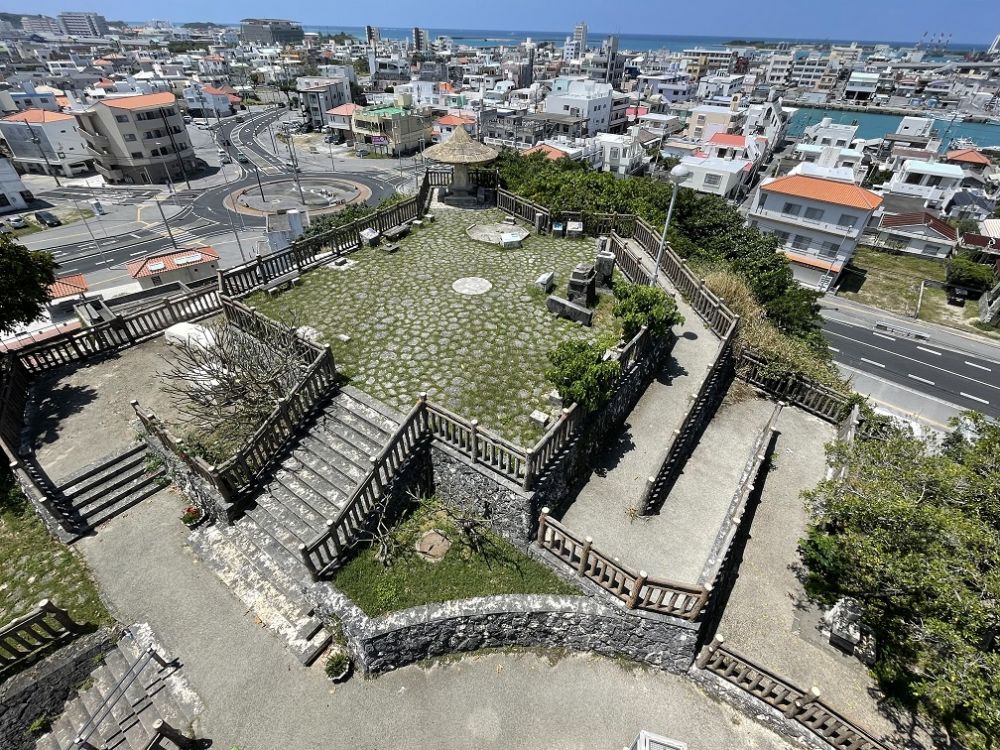
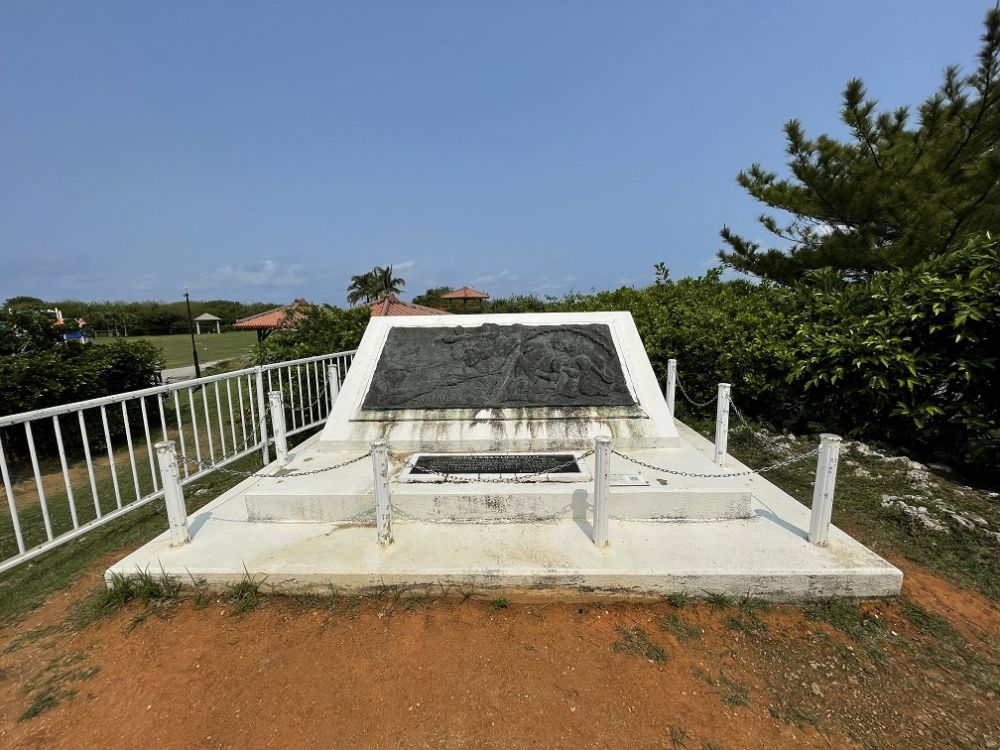
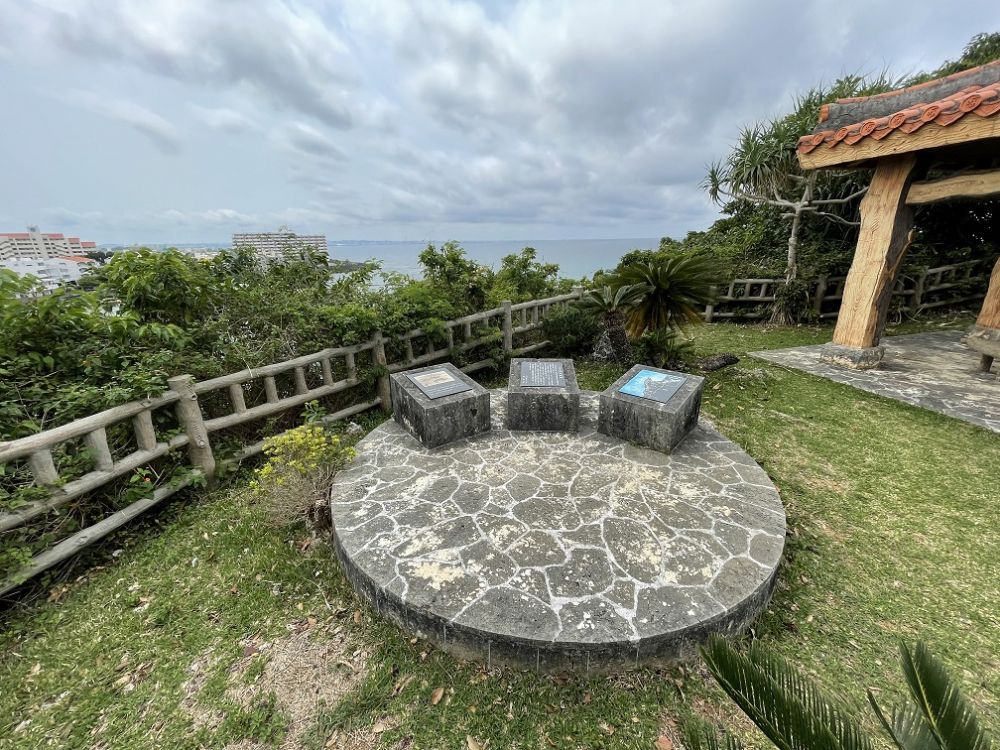
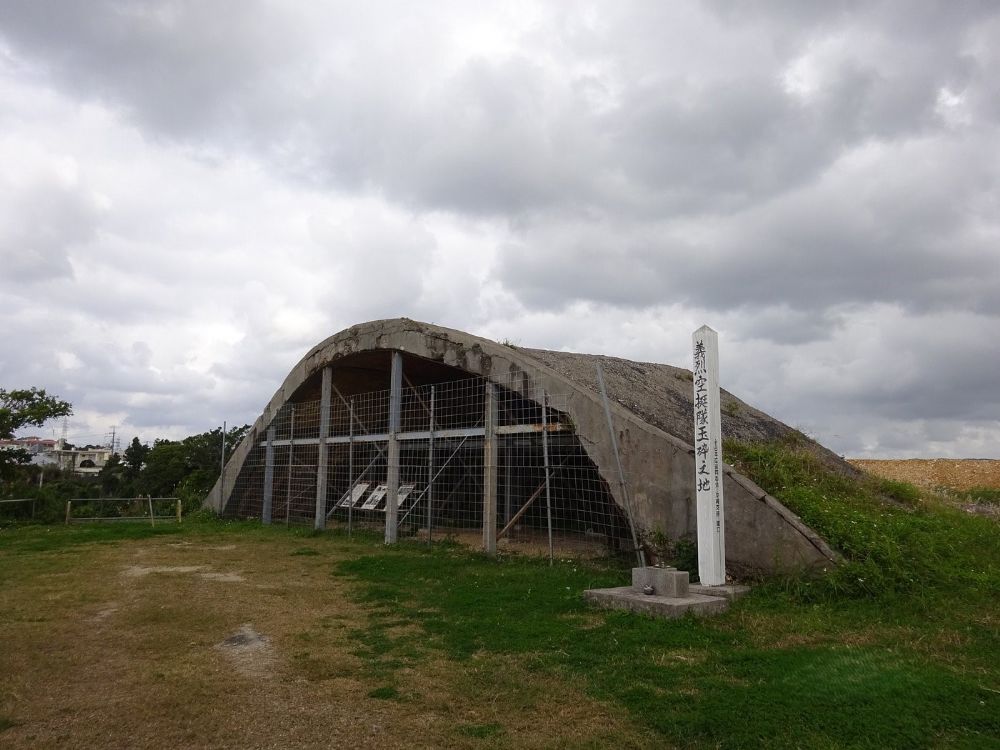
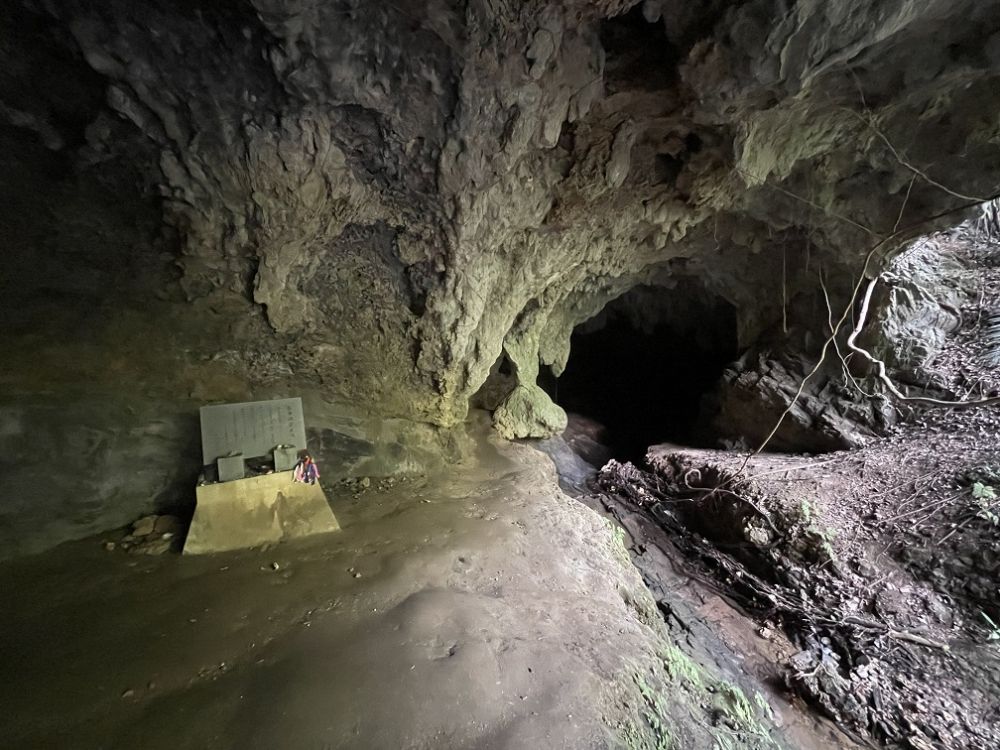
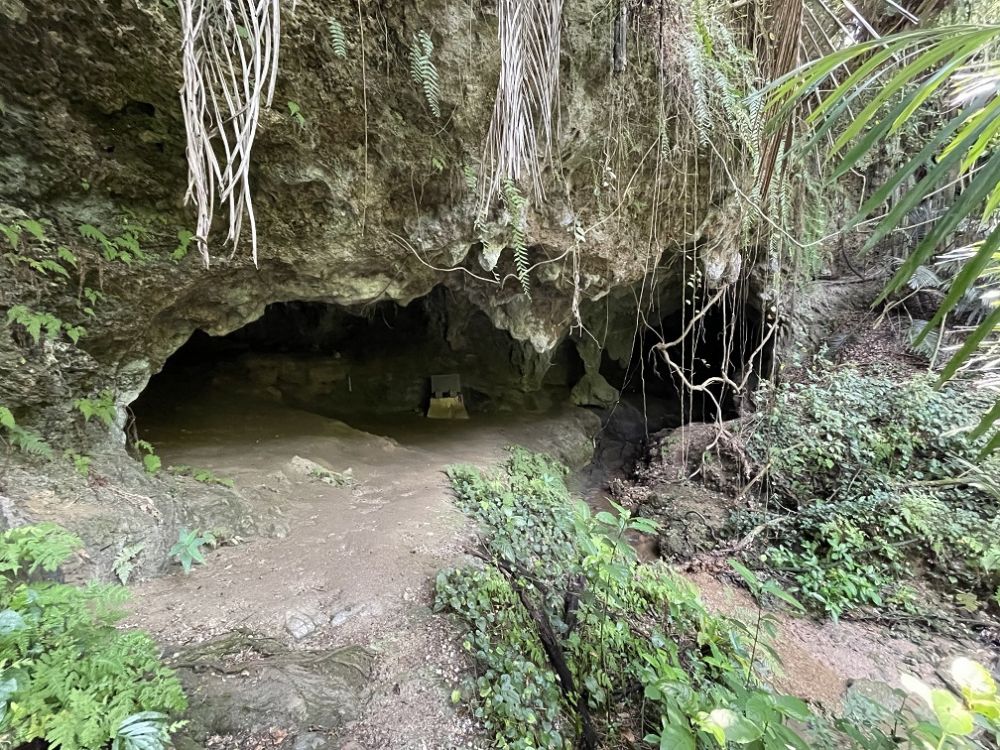
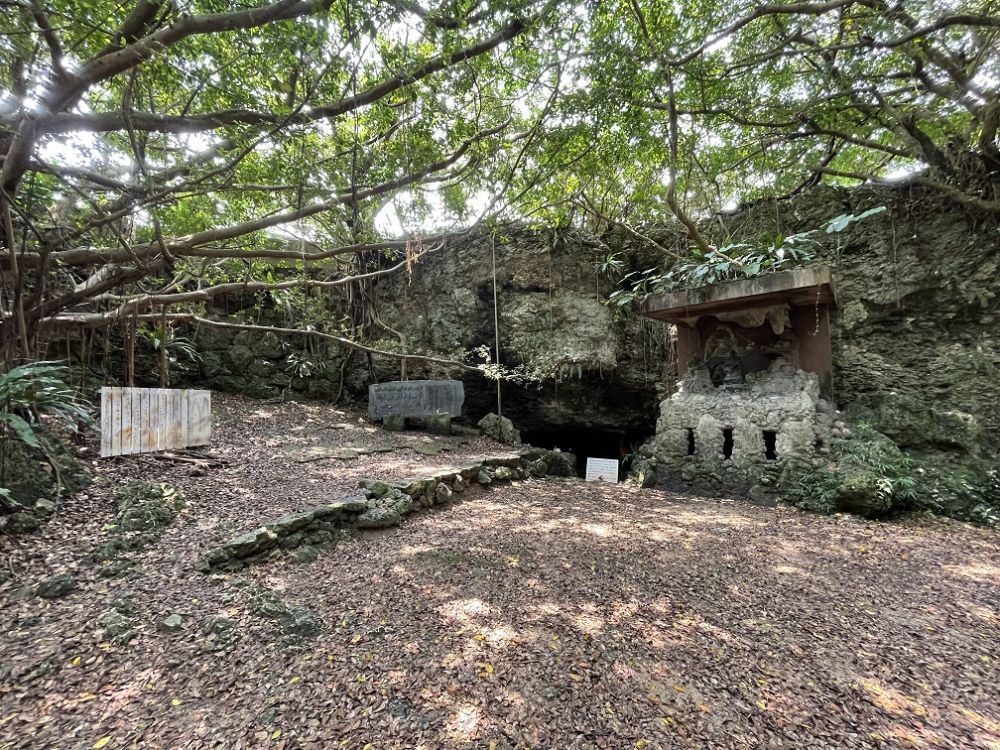
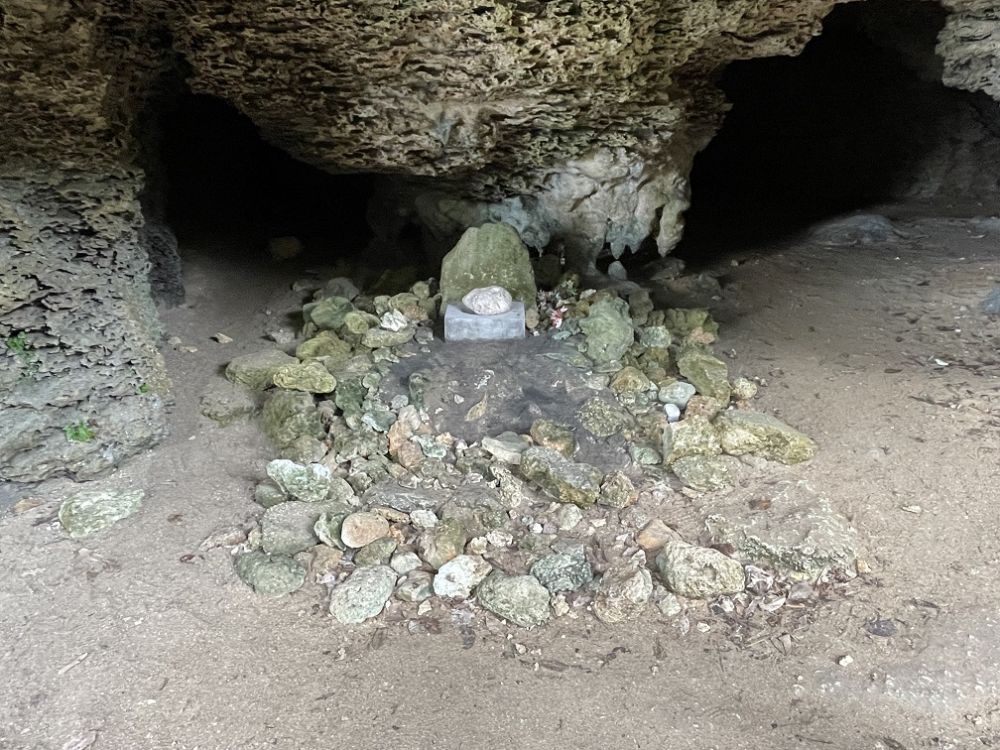
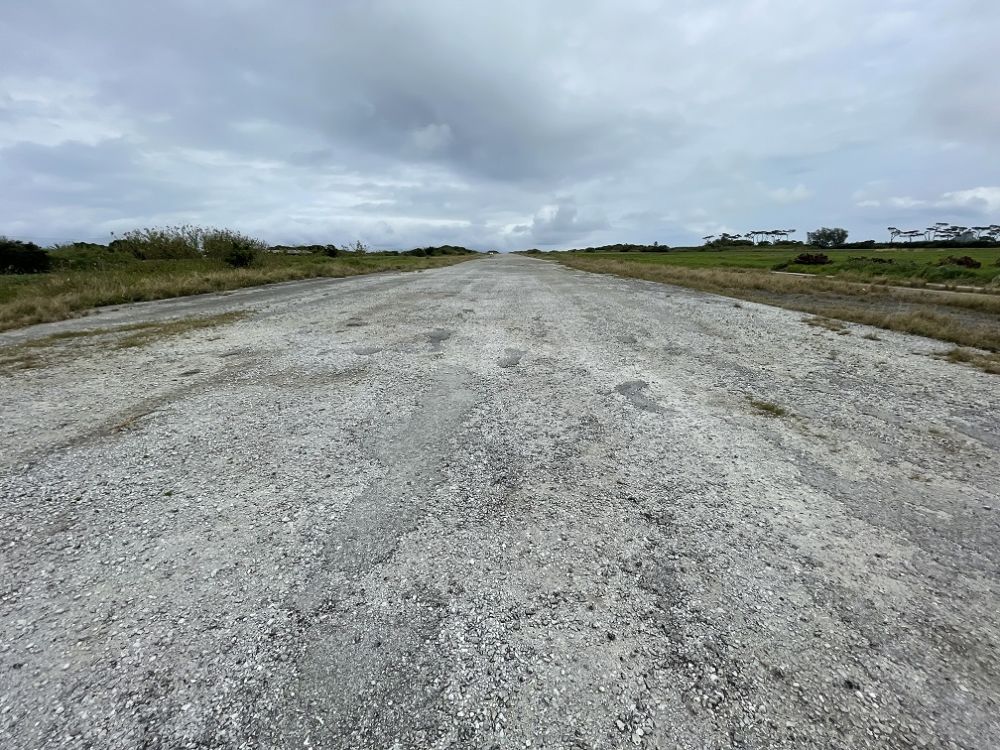
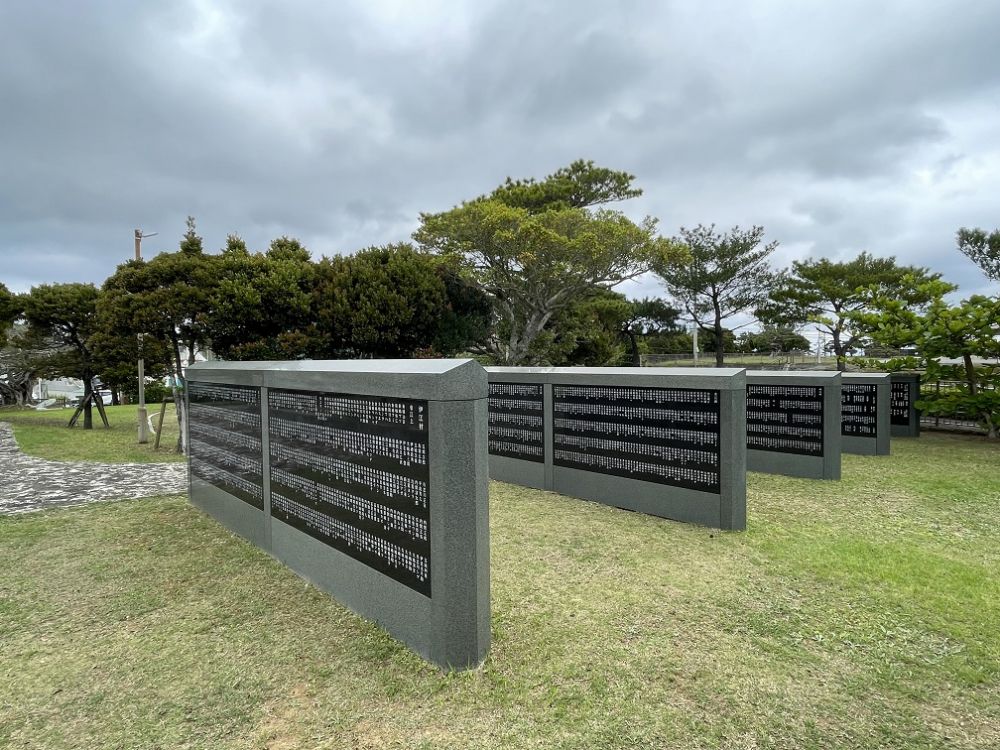
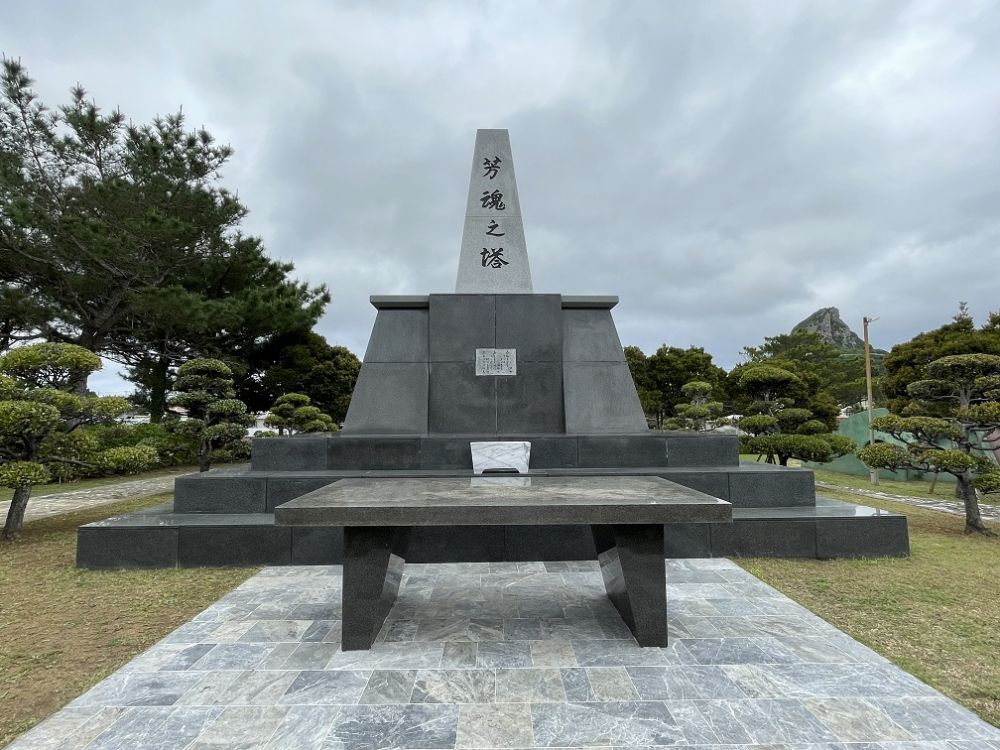
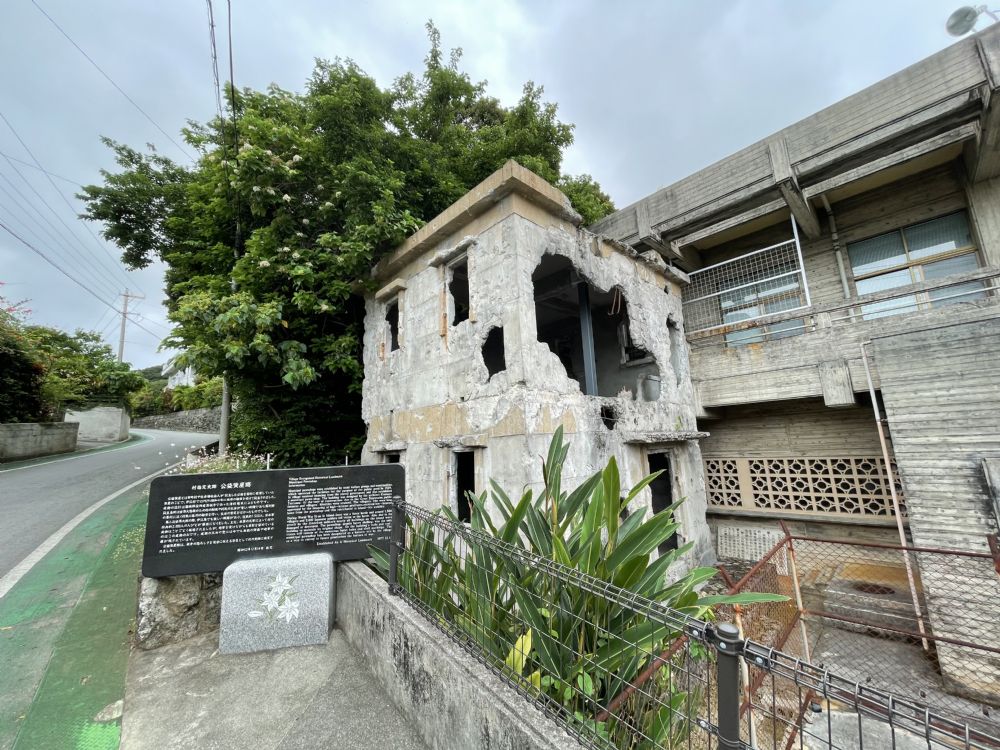
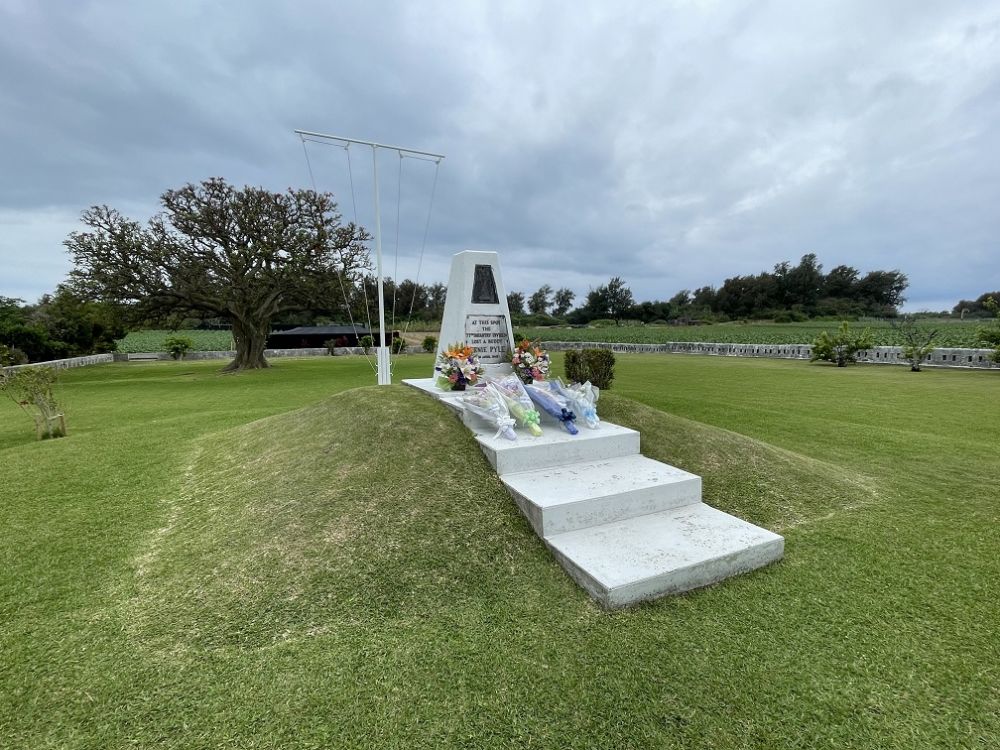
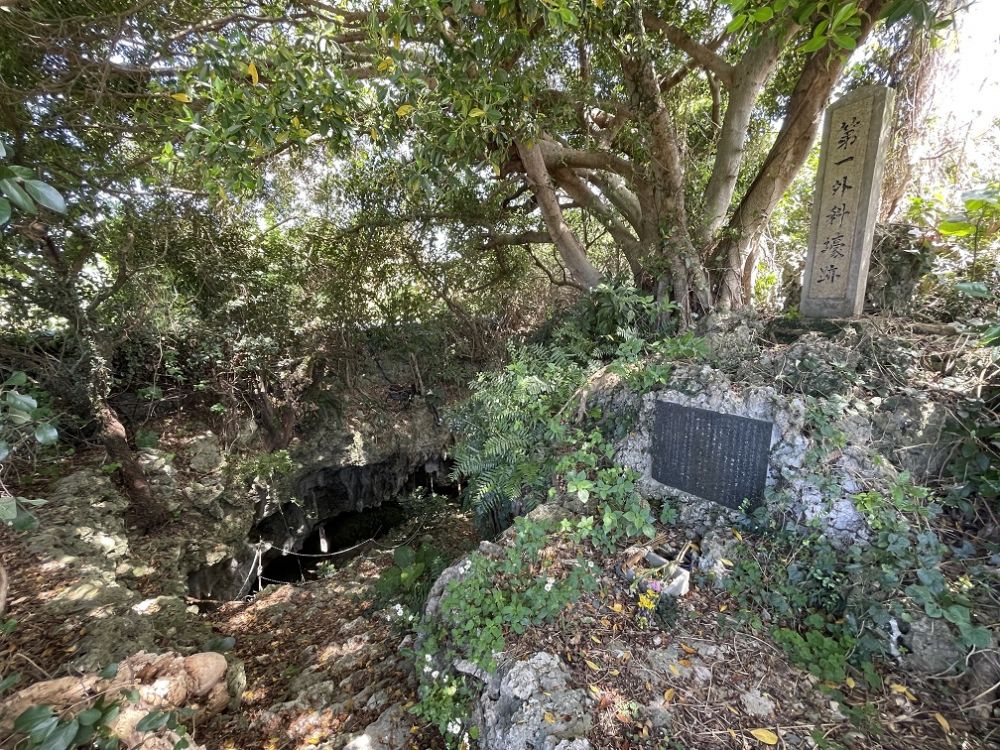
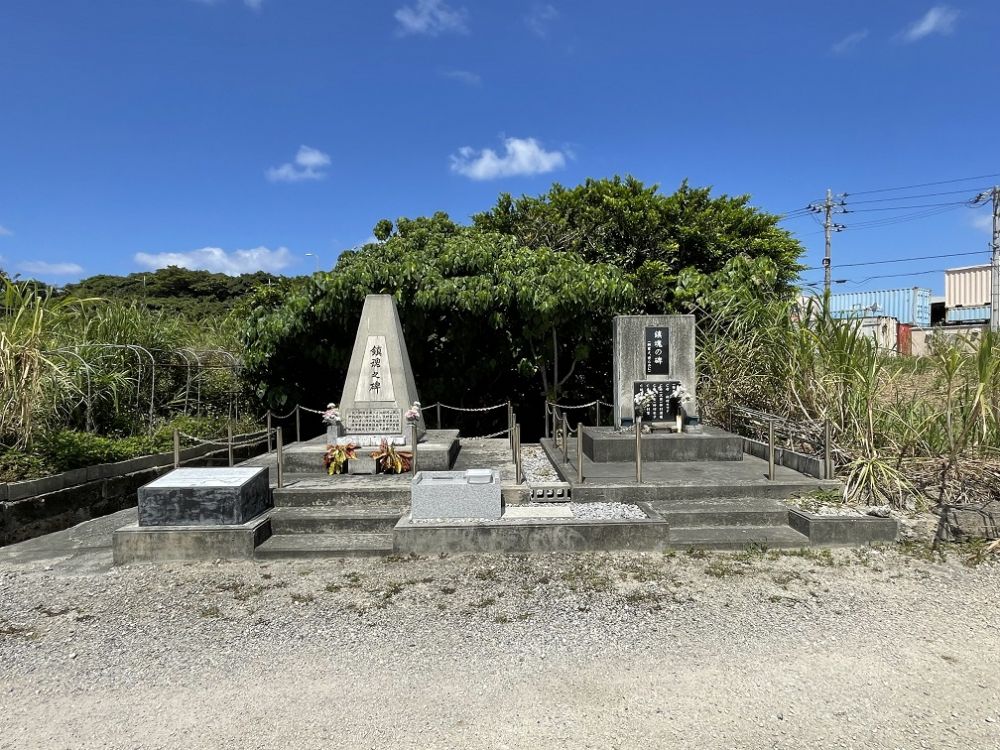
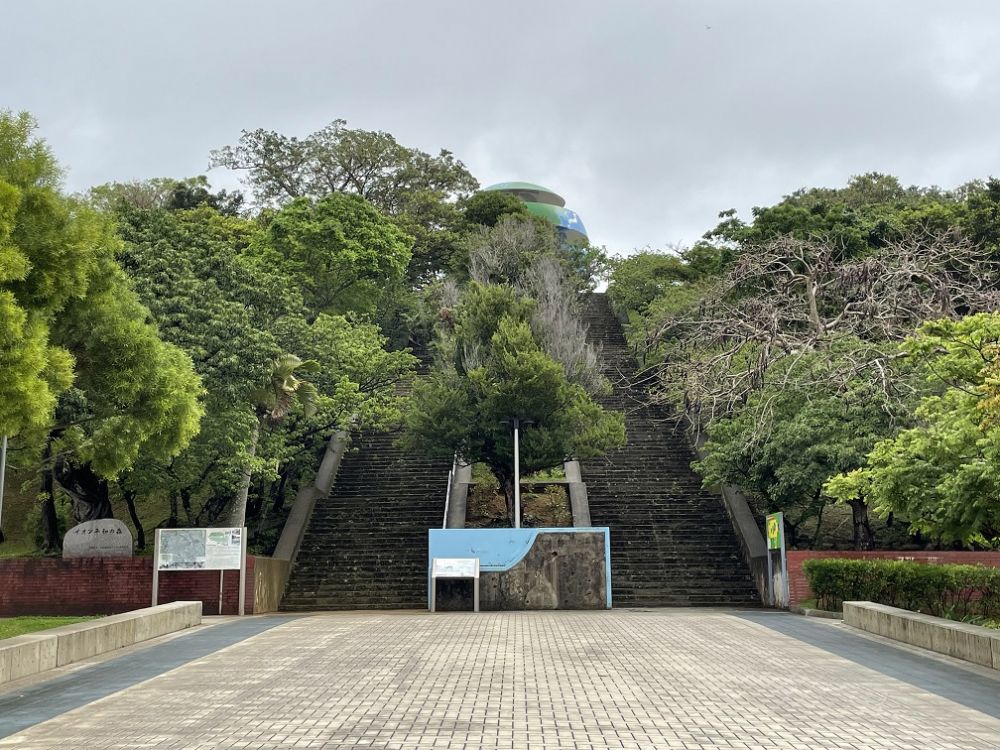
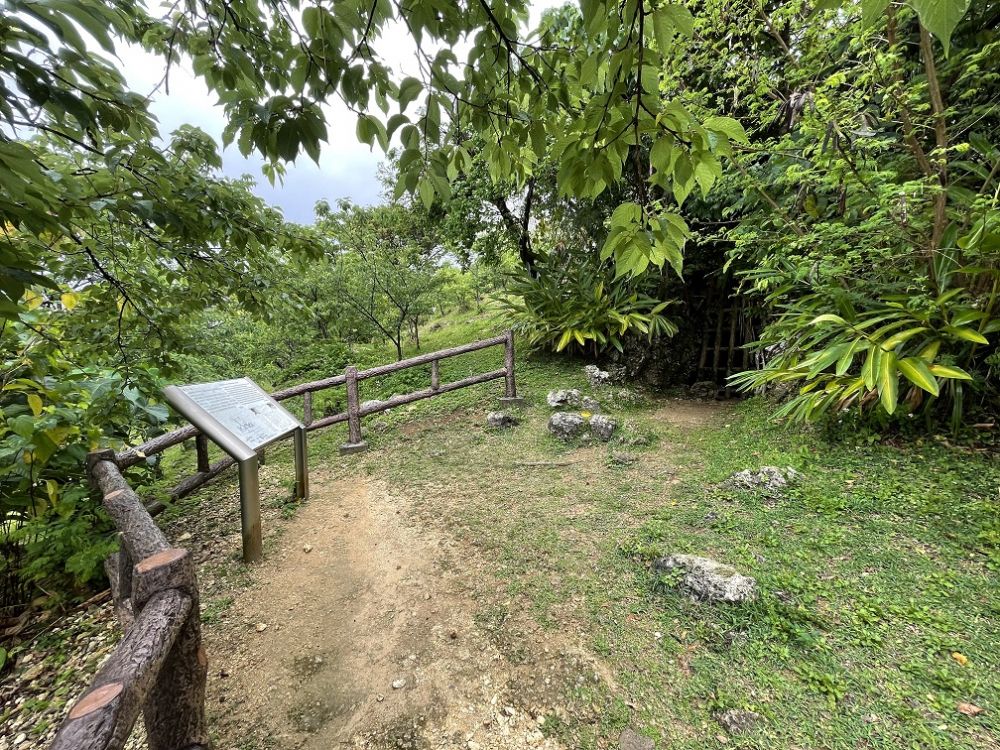
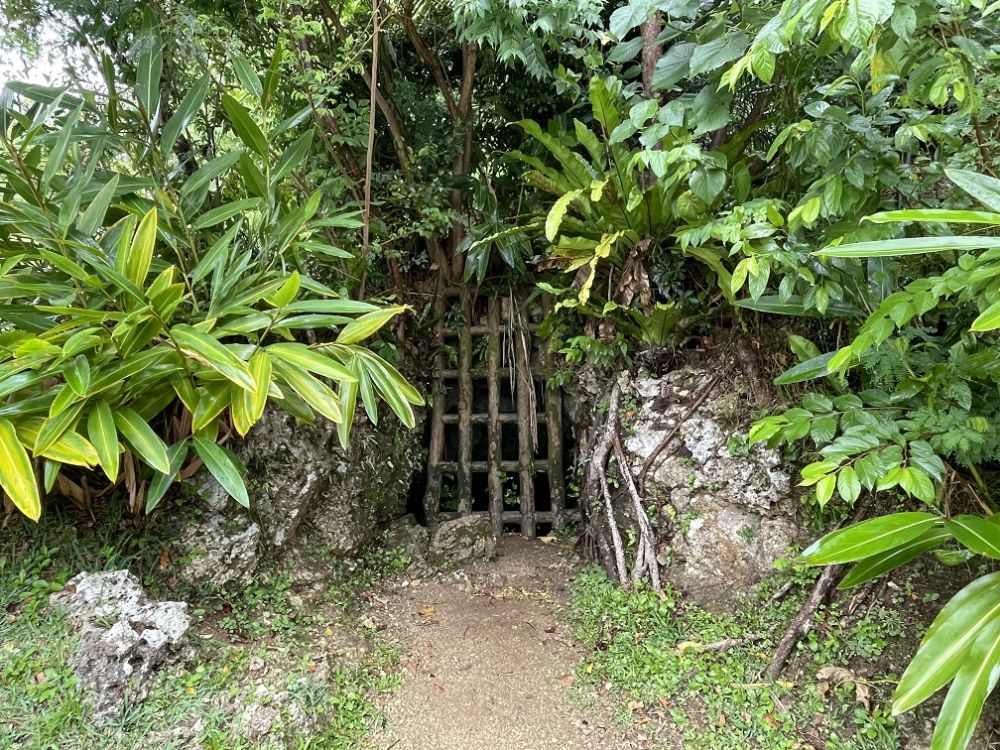
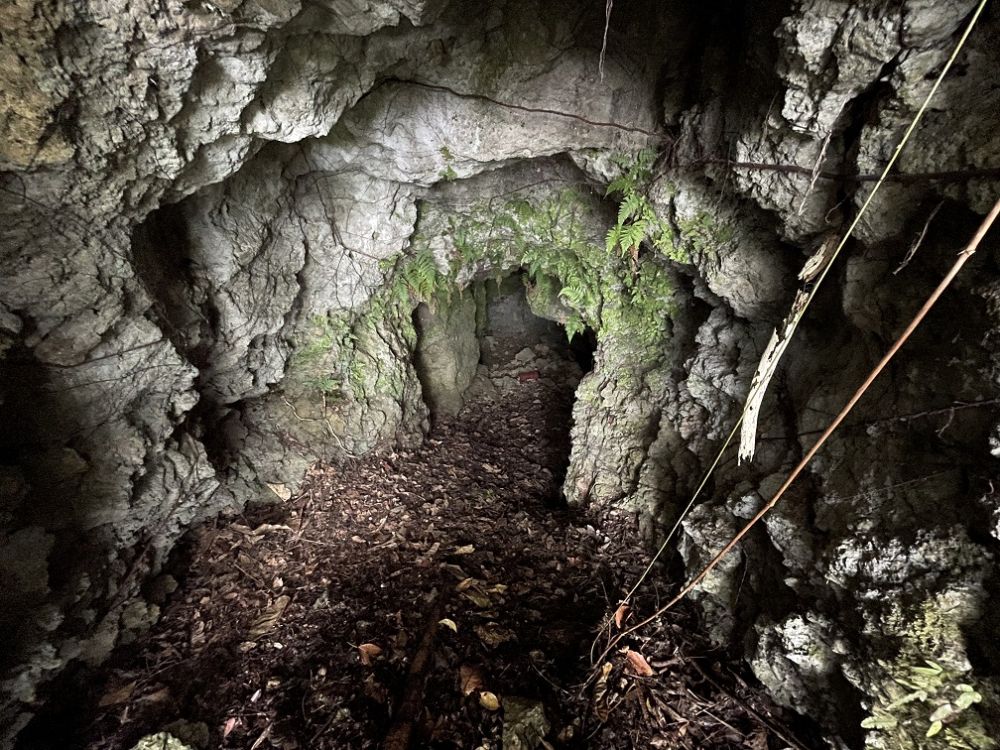
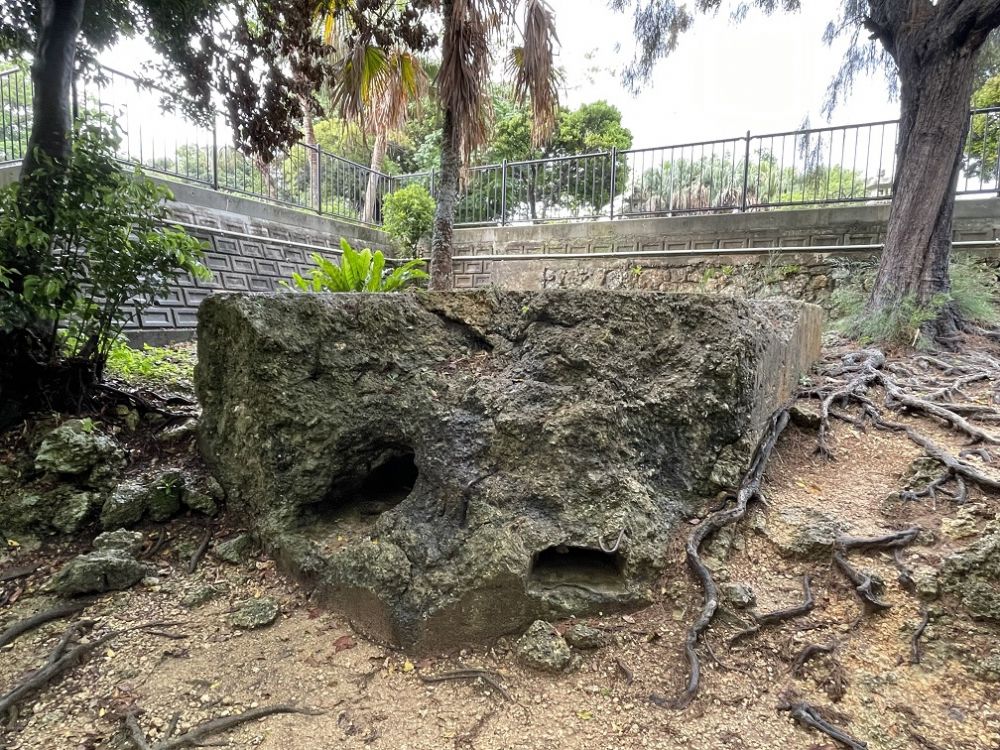
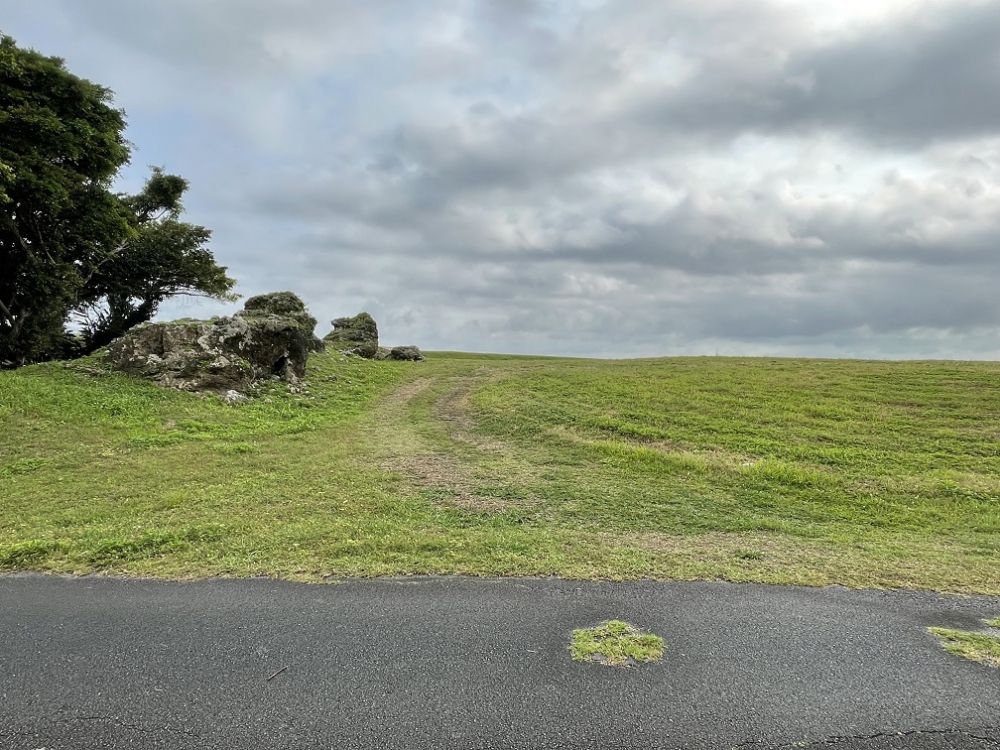
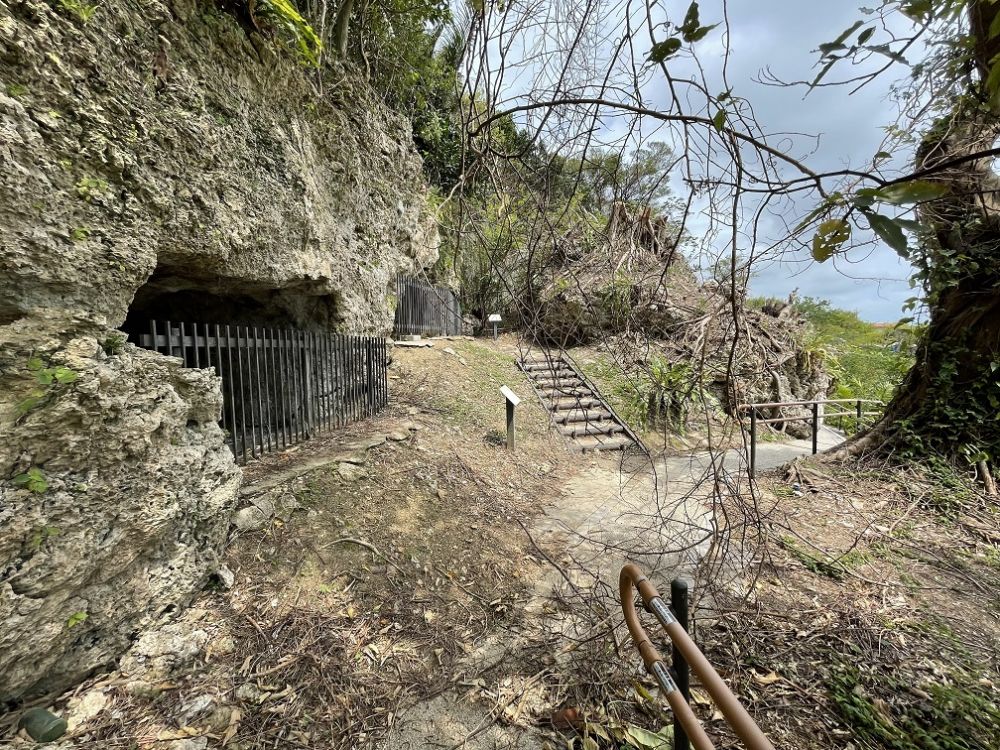
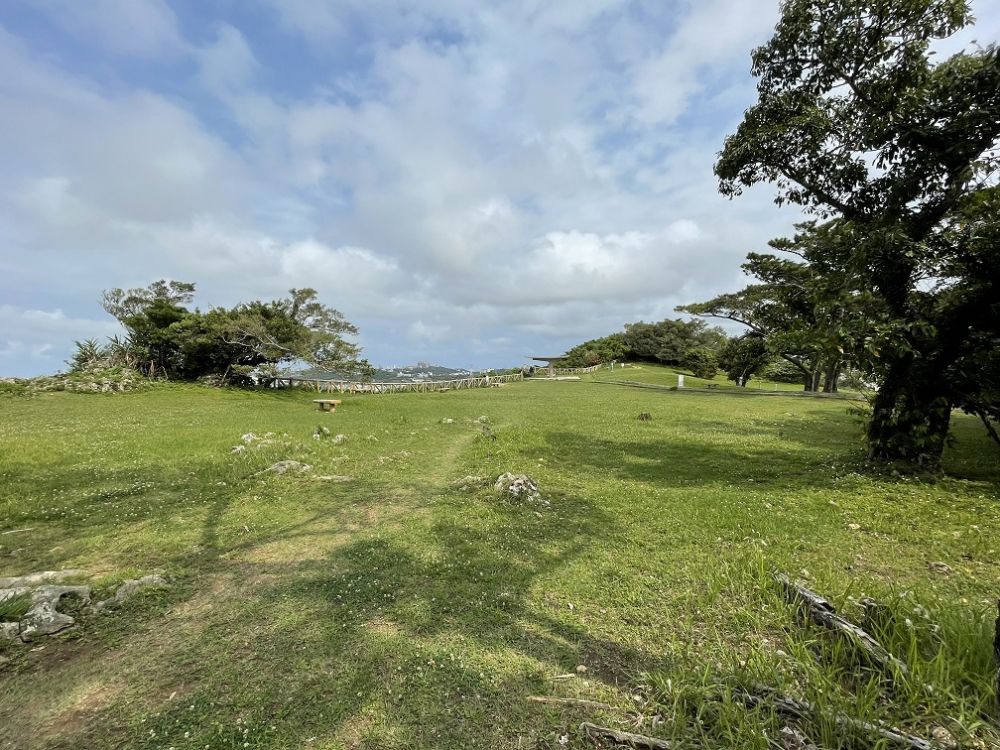
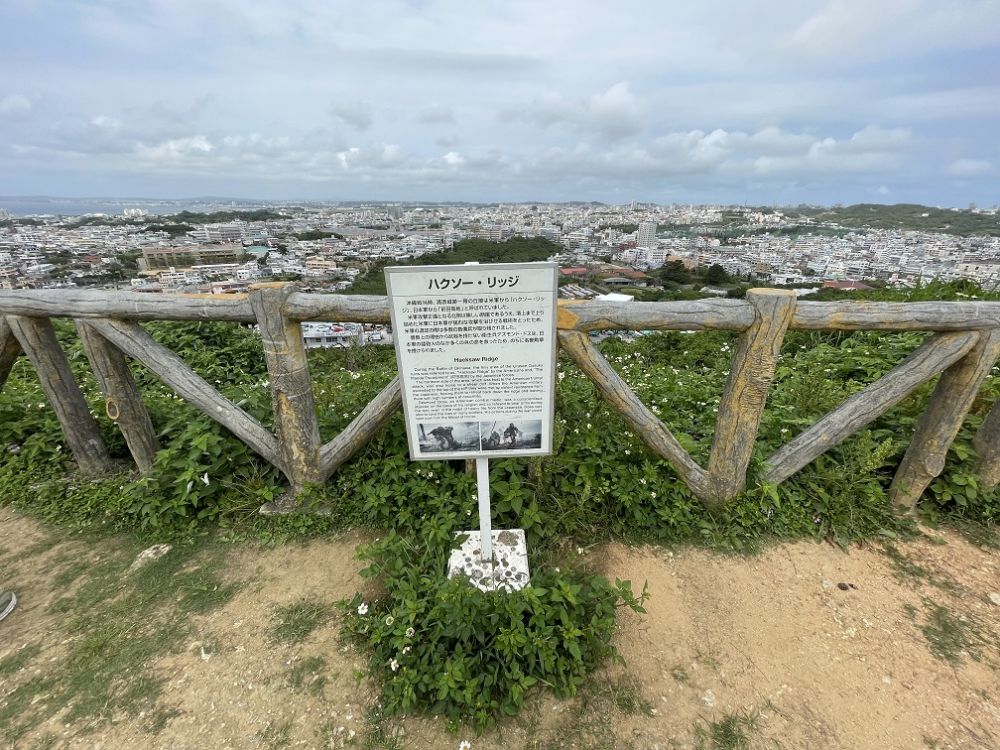
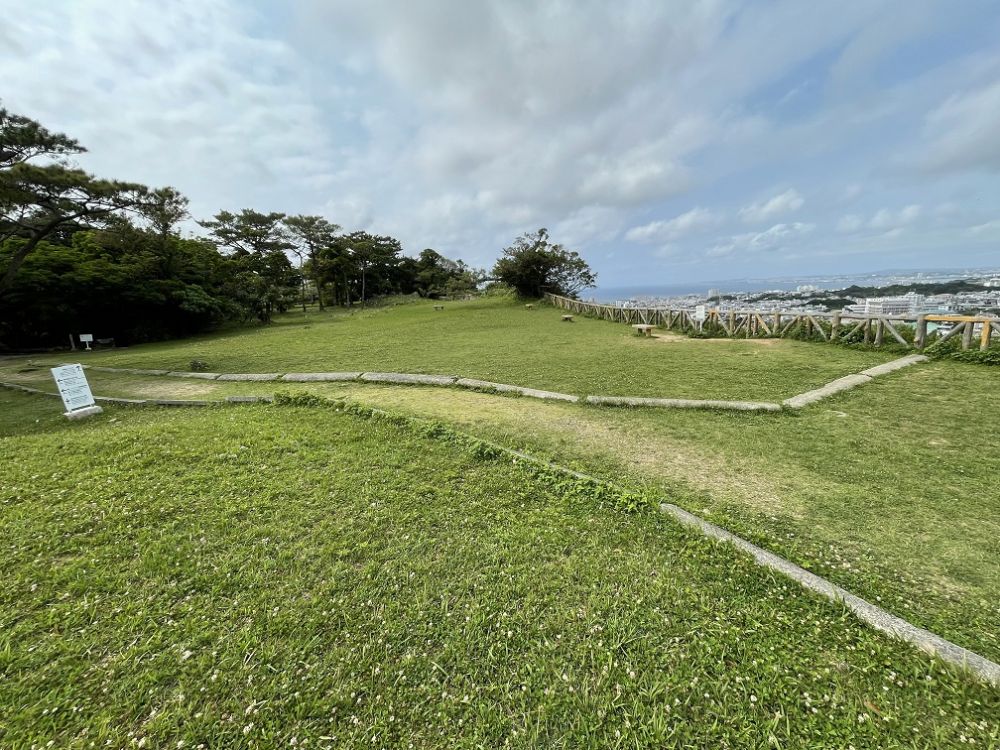
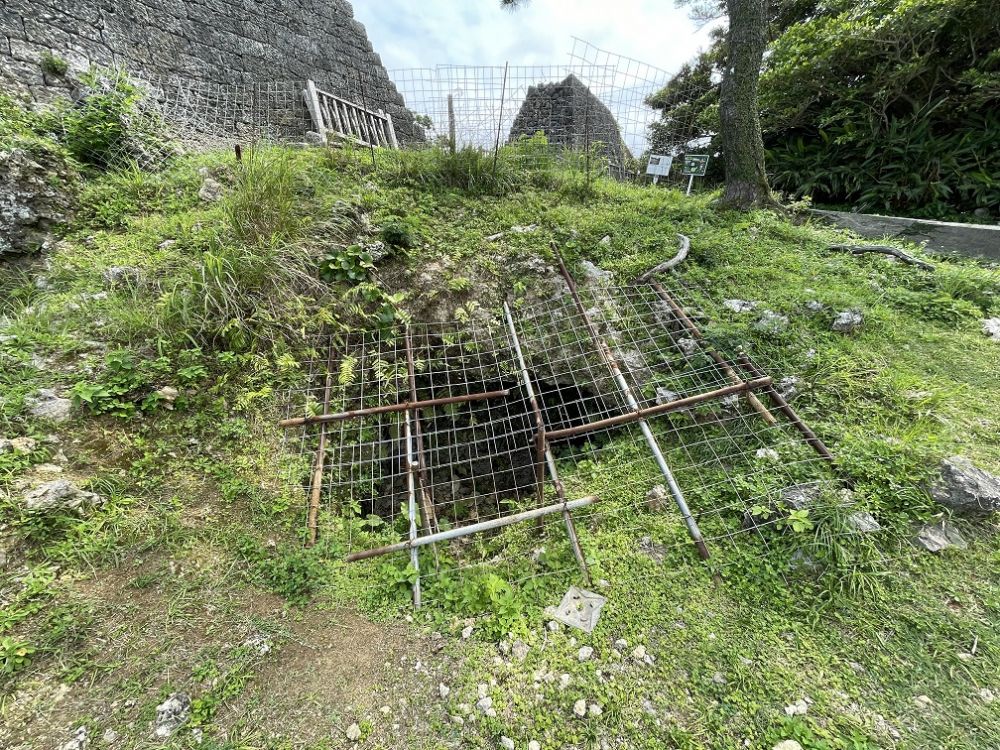
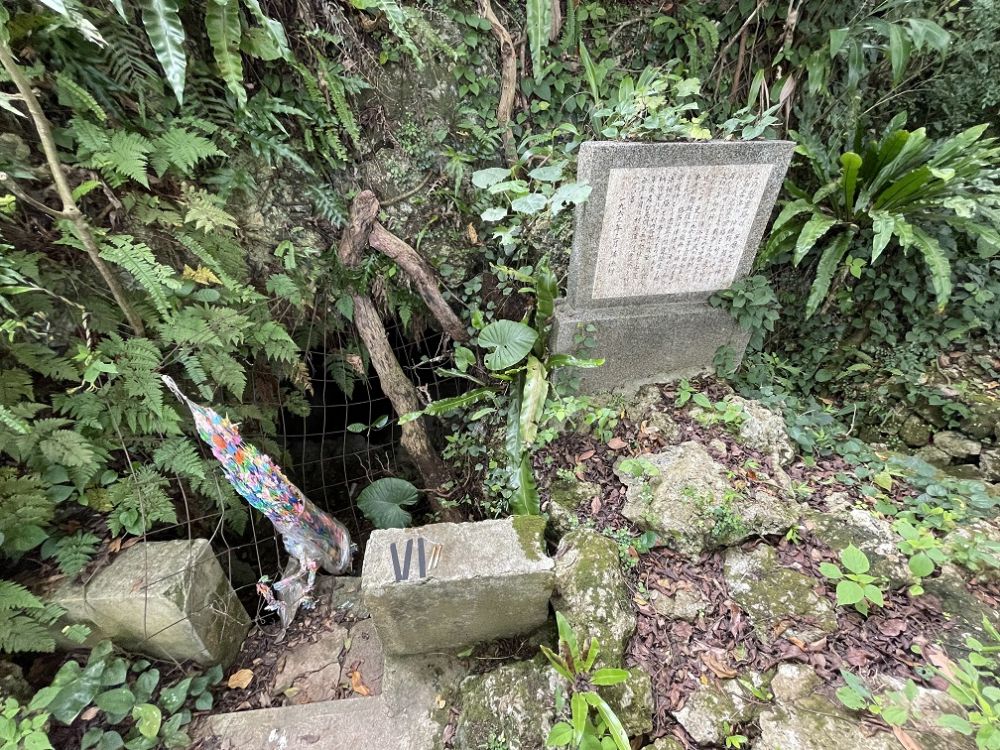
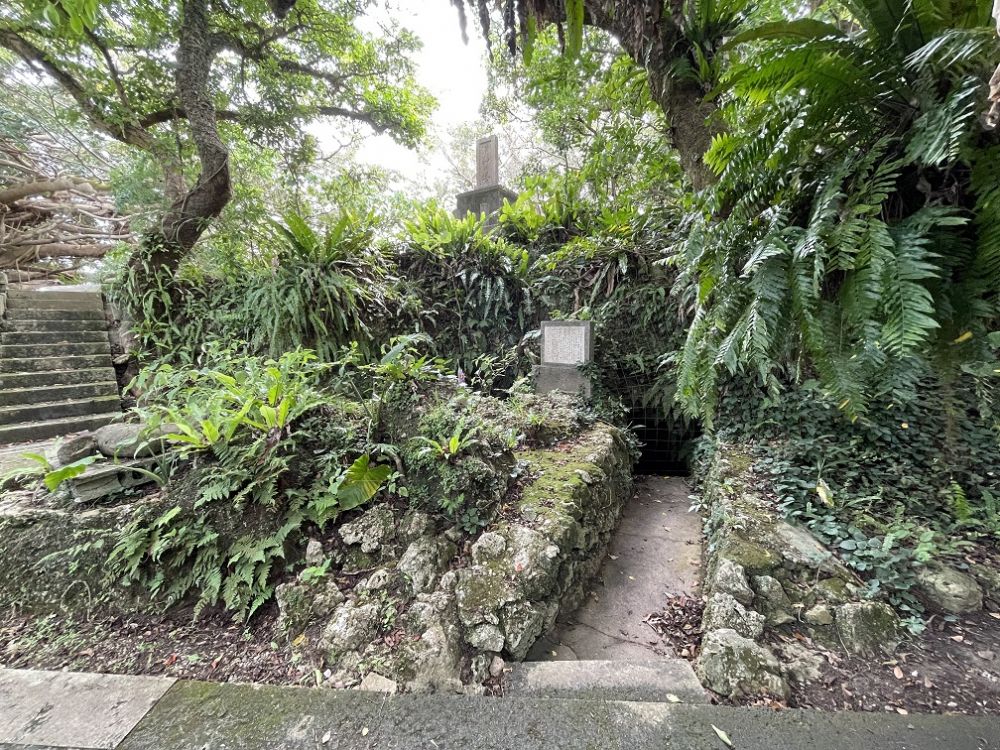
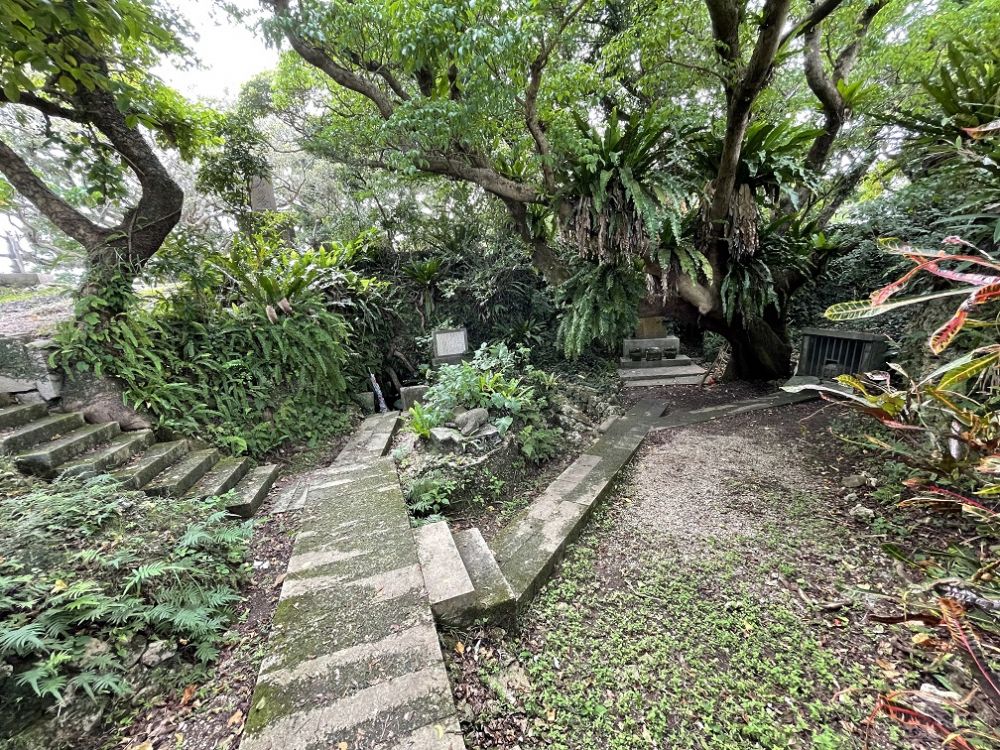
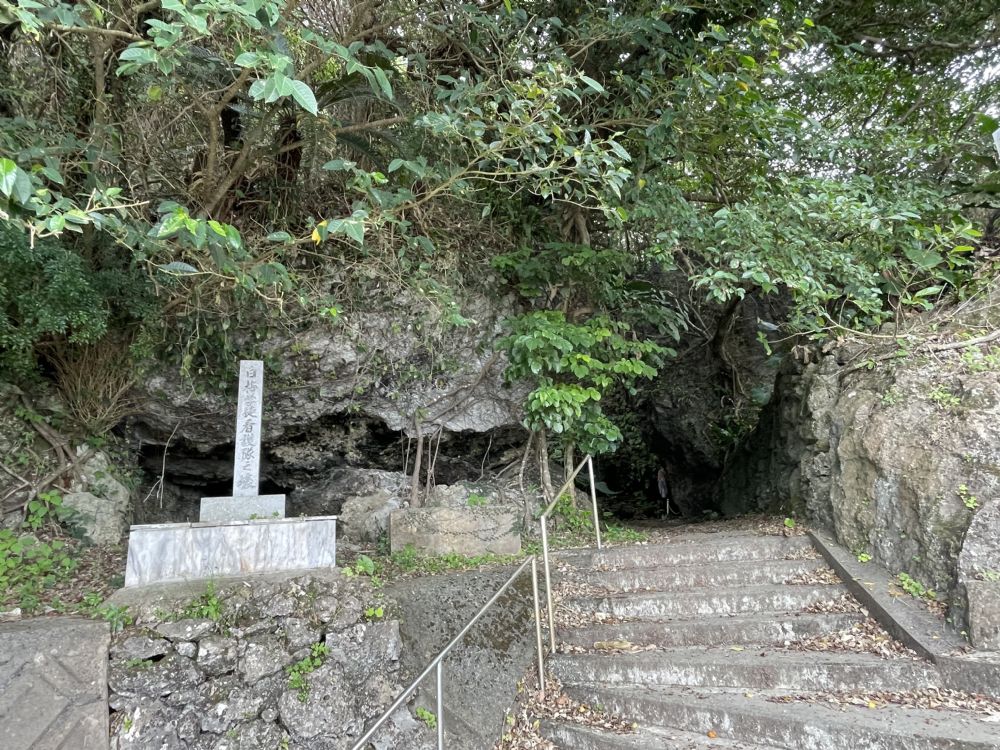
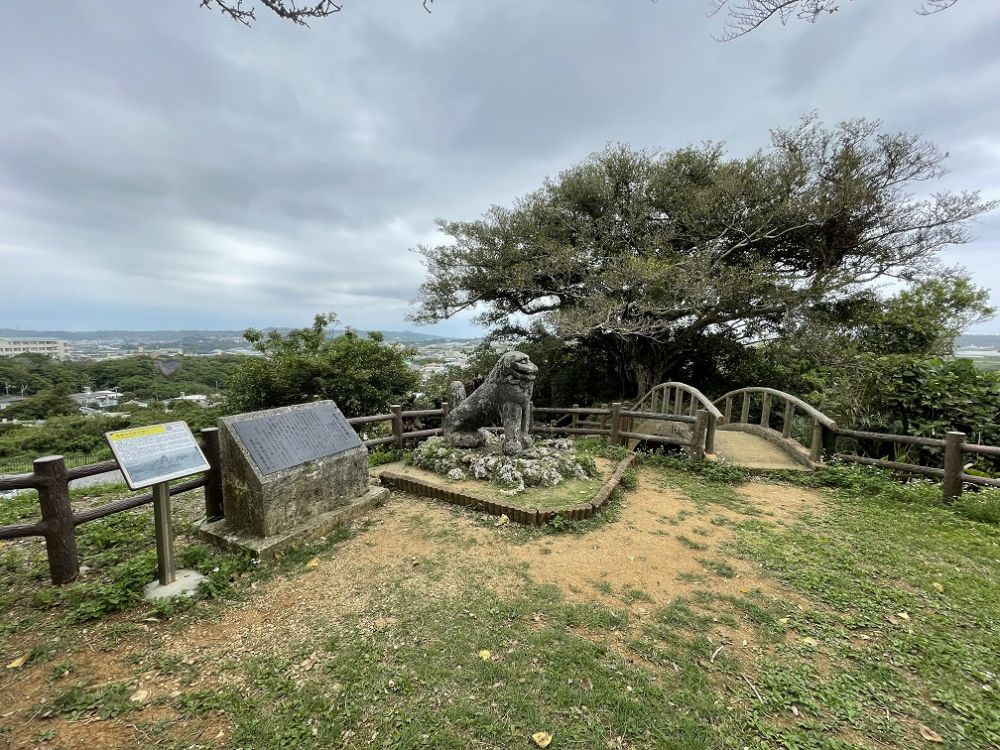
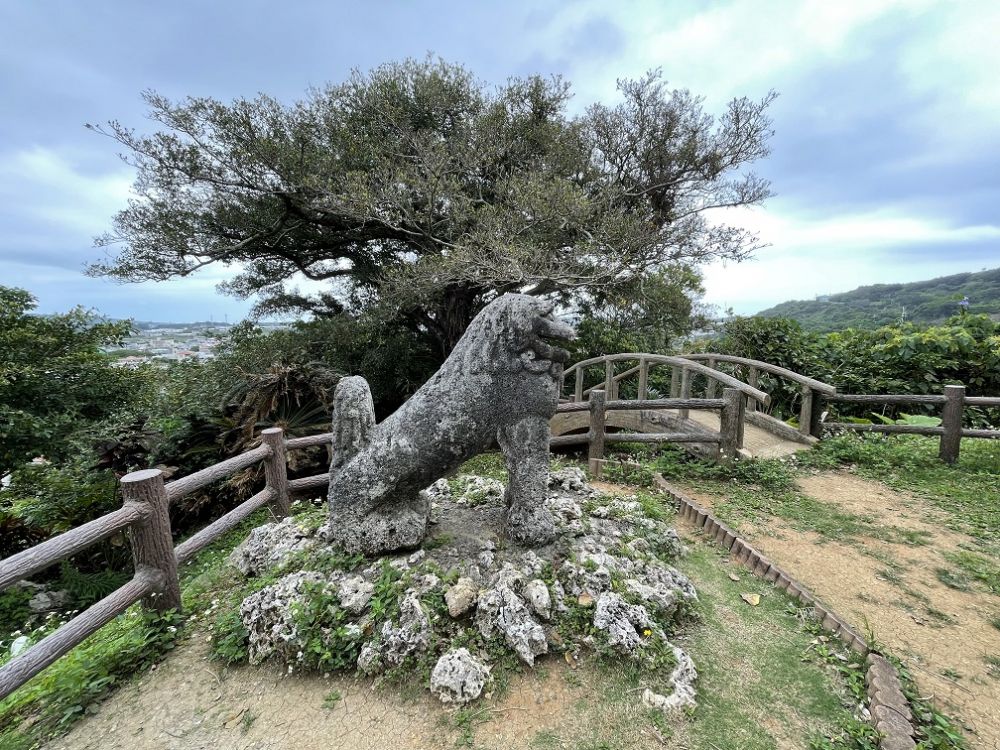
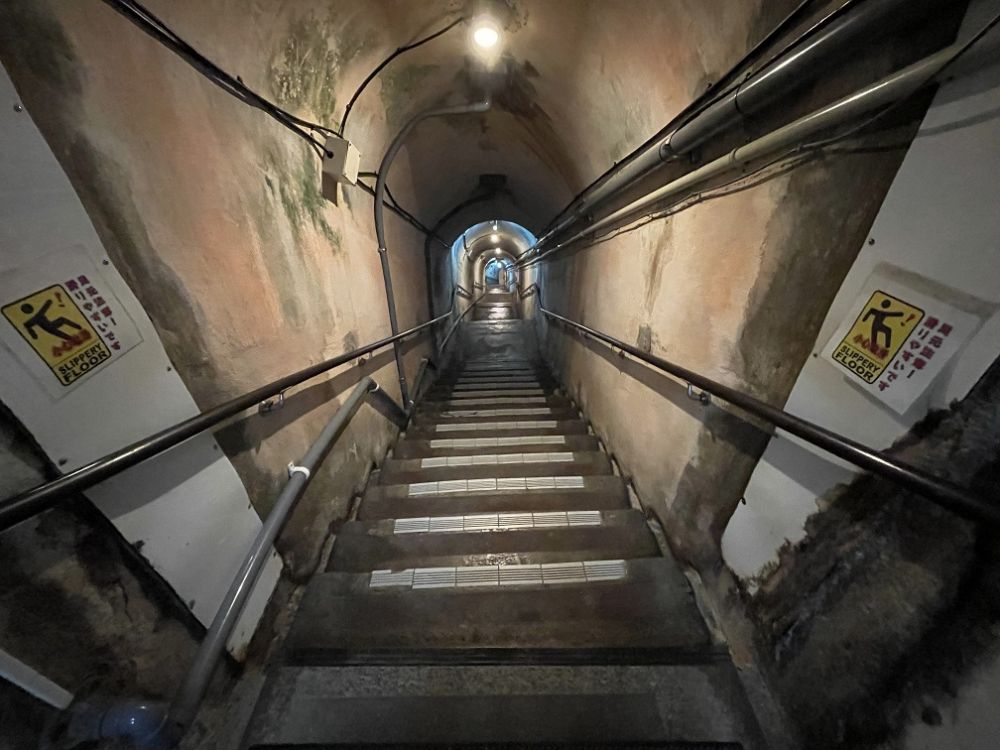
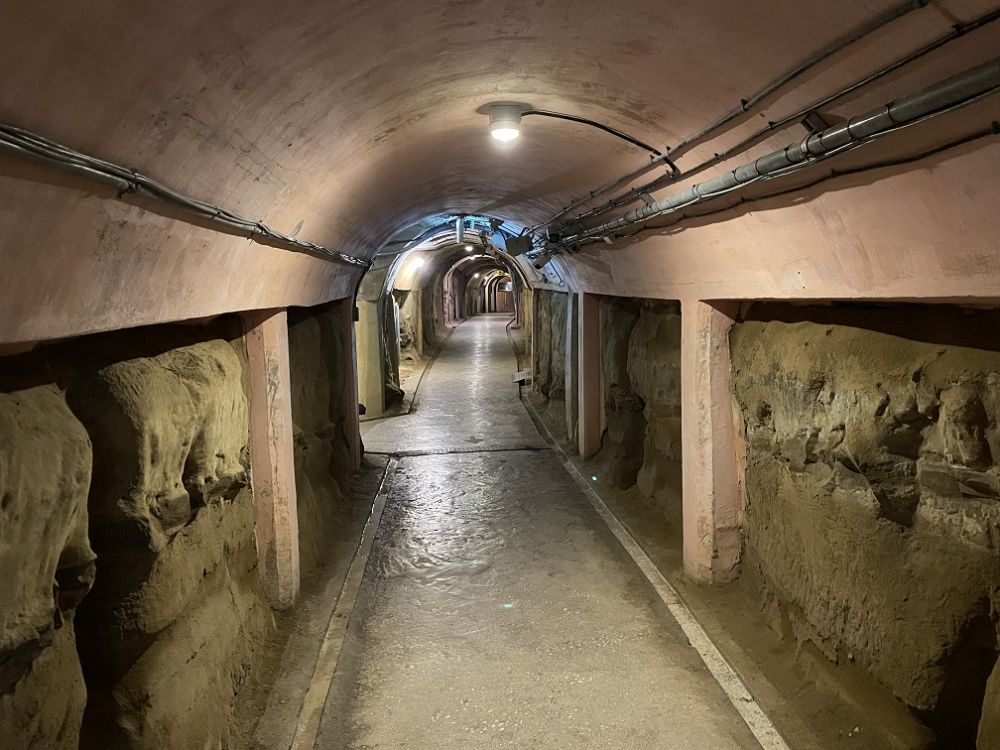
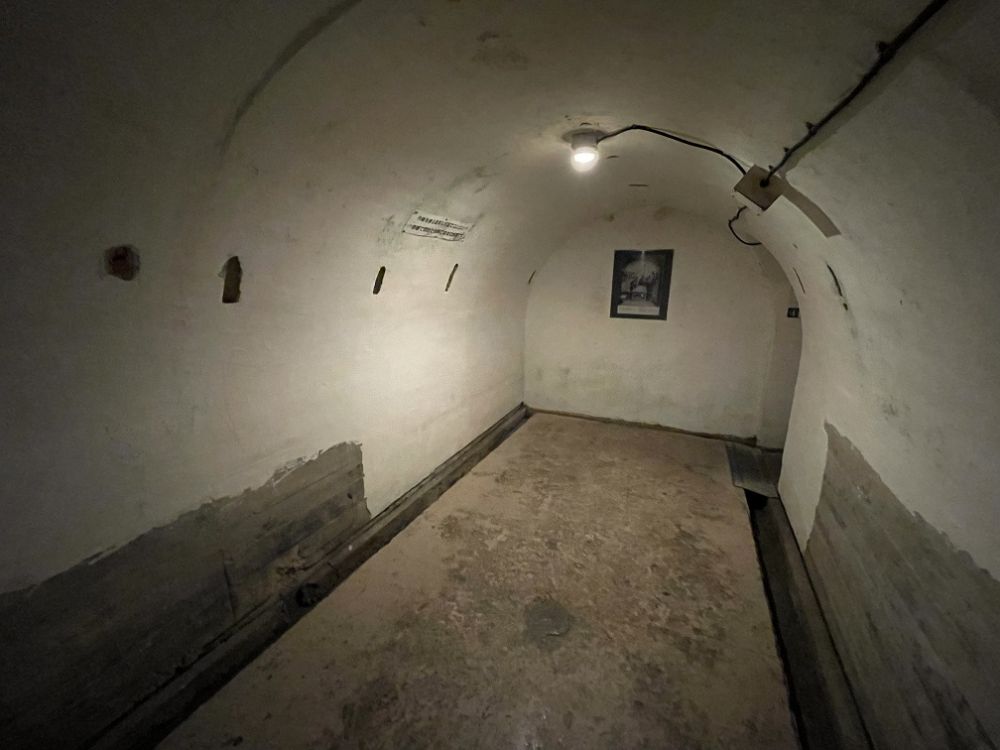
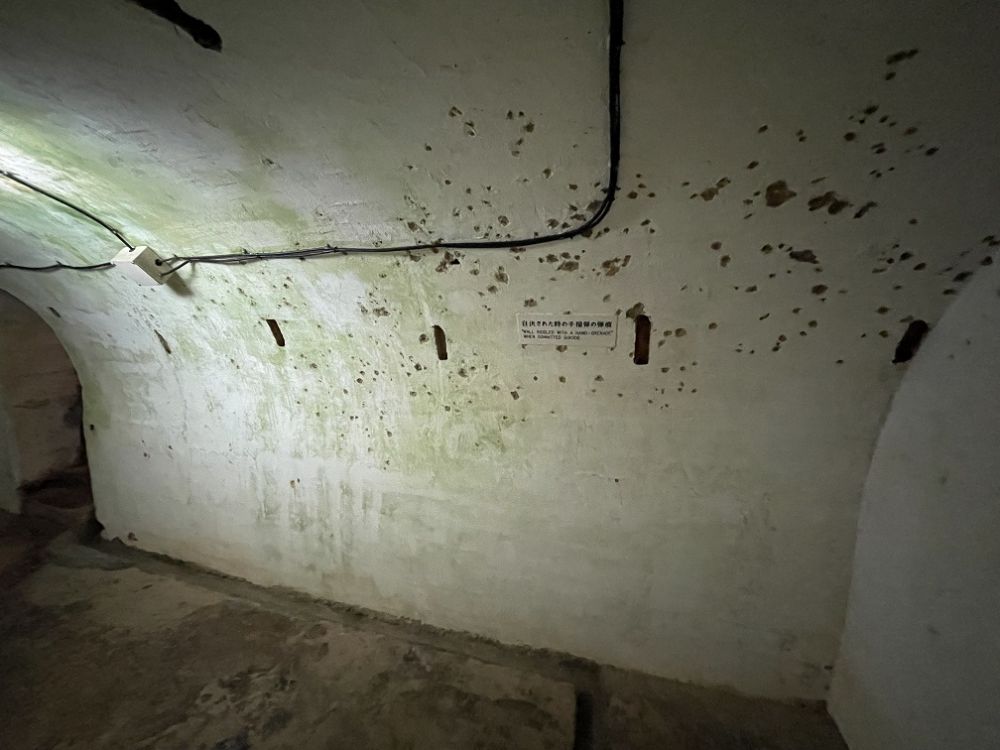
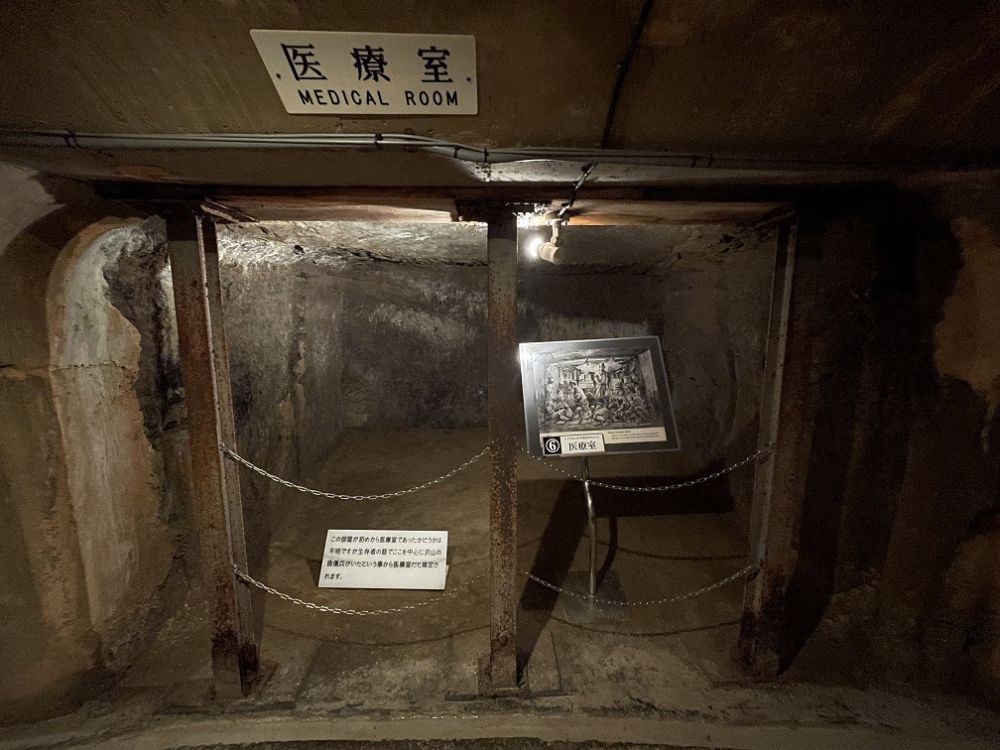
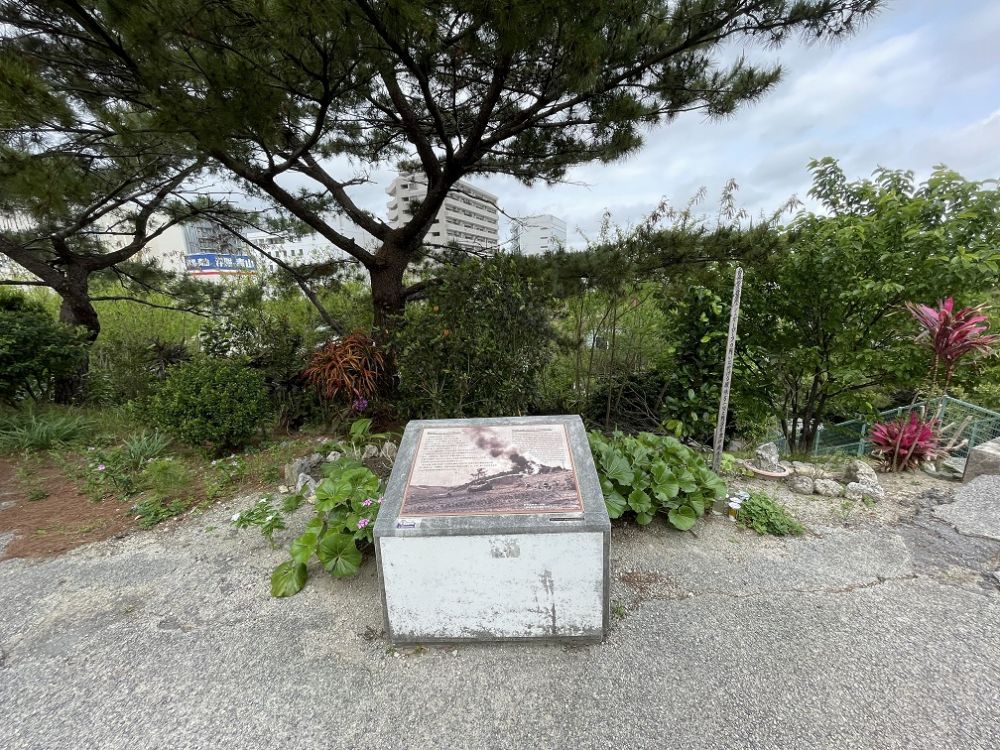
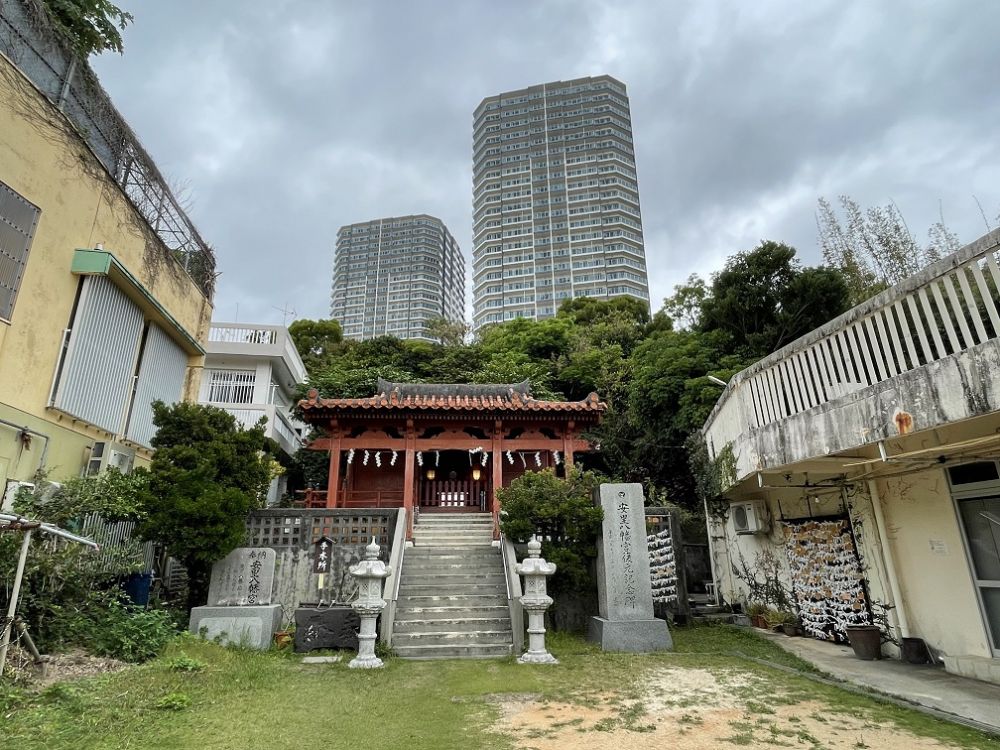
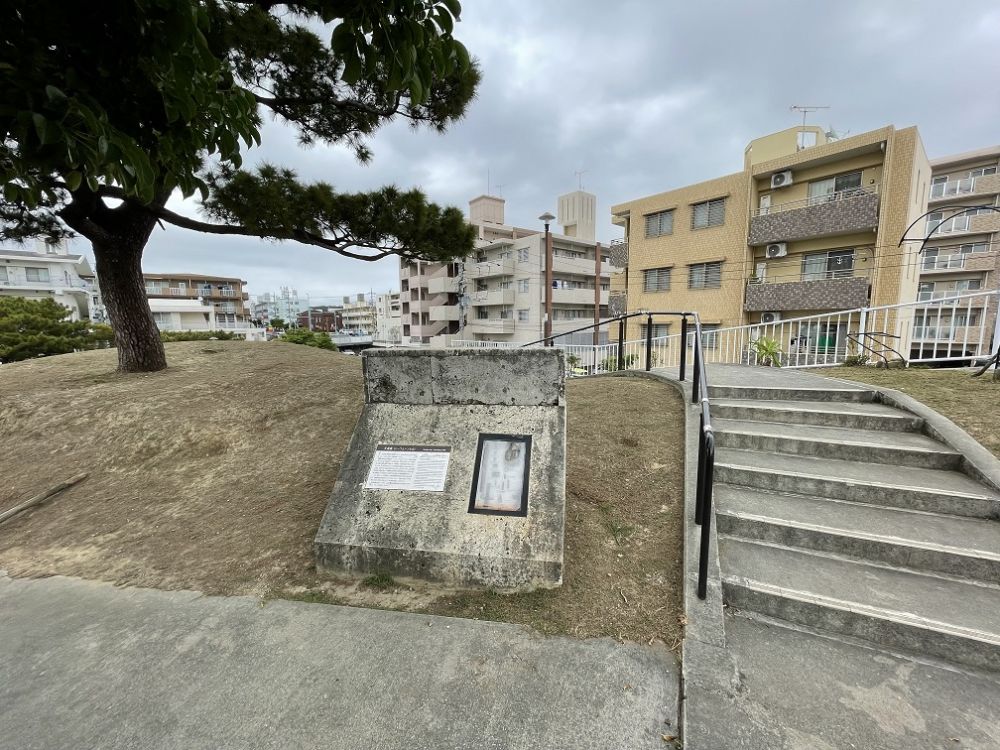
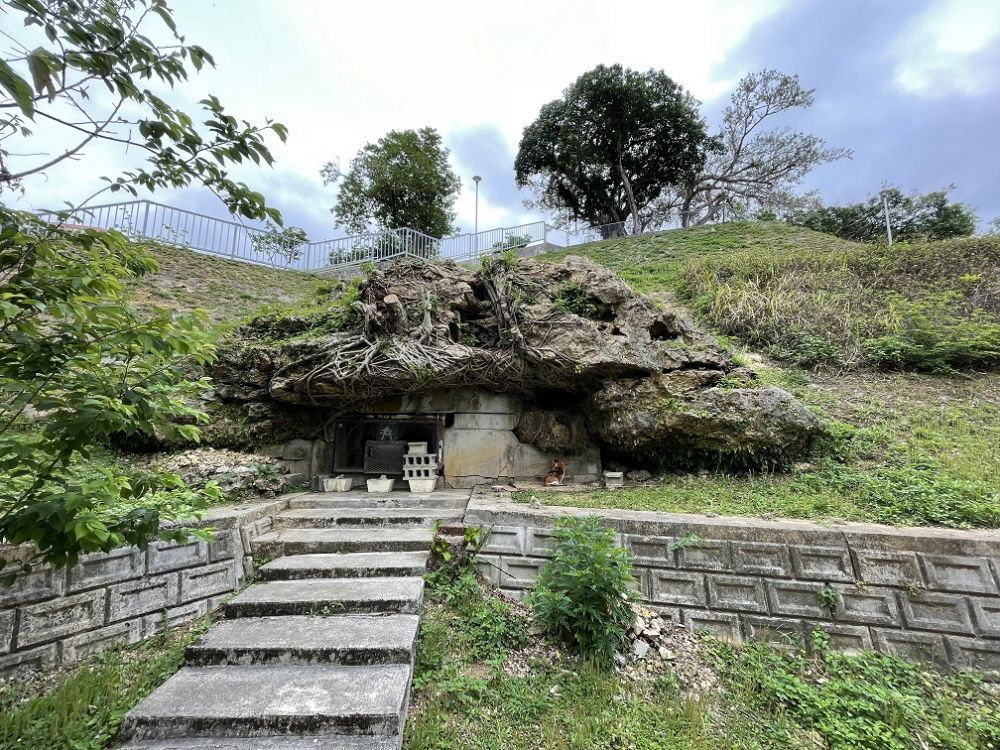
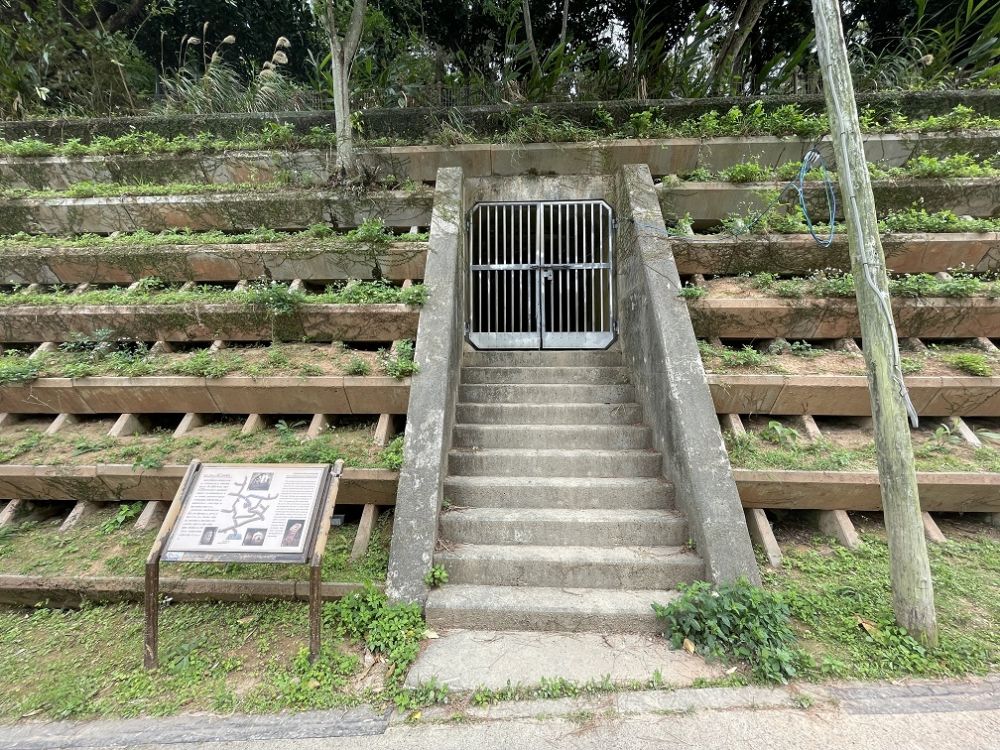
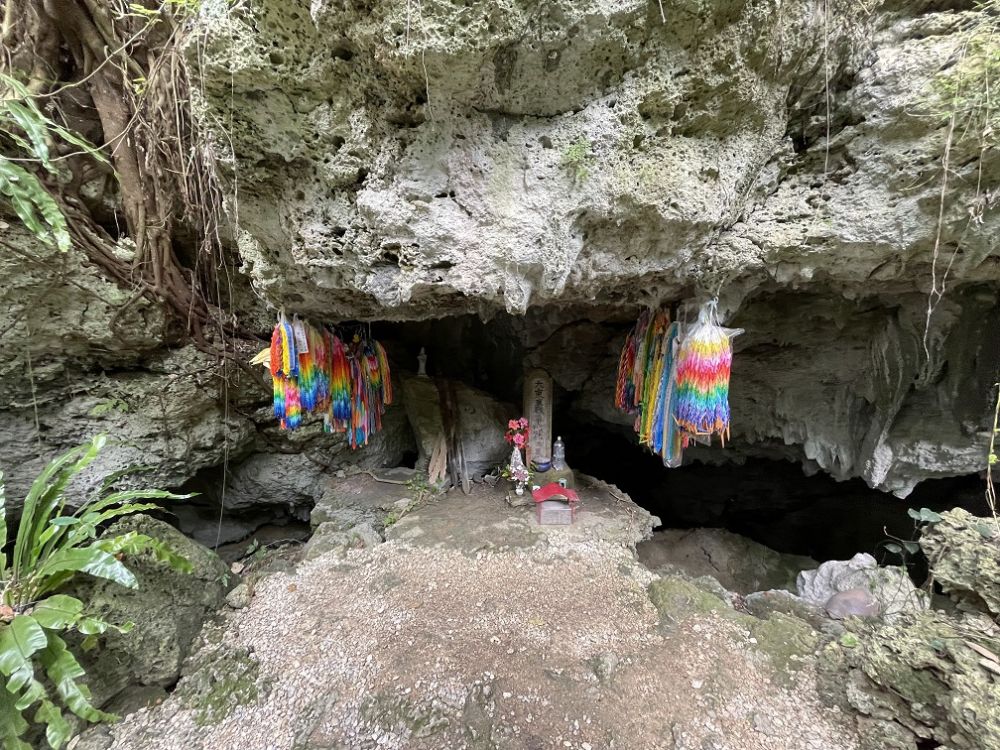
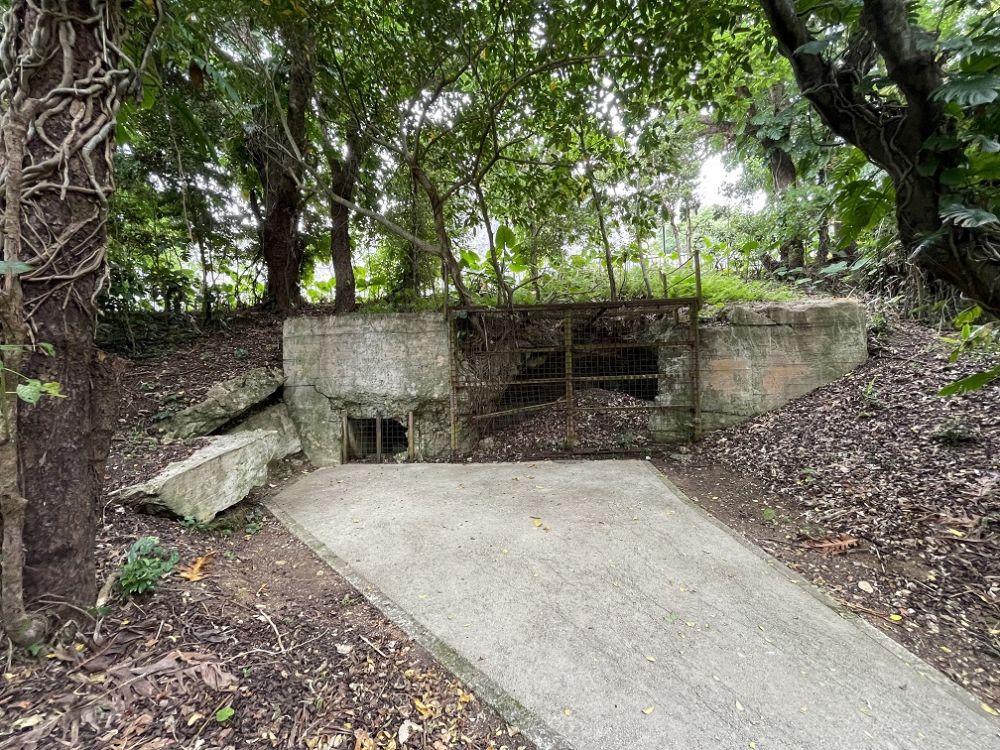
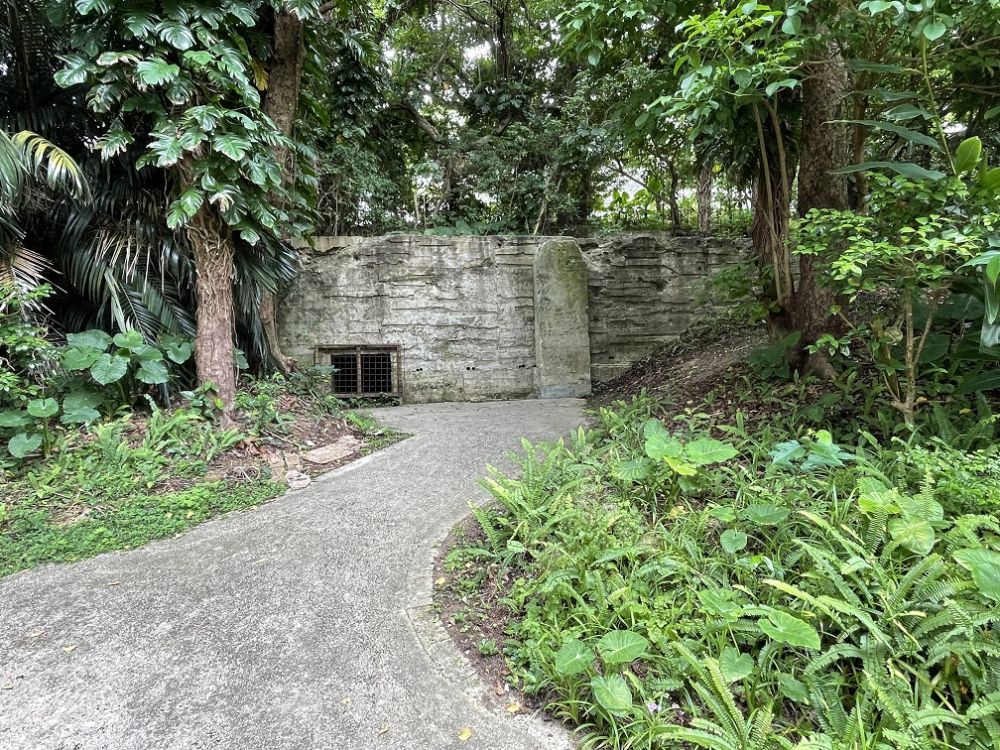
Okinawa was the last major battle to take place during the Second World War and the largest battle to take place in the Pacific. It has also been called Typhoon of Steel because the US Navy and Air force’s massive bombardment and attacks on Okinawa as well as Japanese Kamikaze’s intense attacks. Okinawa, however, came after the war to be quickly rebuilt with American funding and the American precence is still palpable. The traces and memories of the battle are mostly scattered on the southern part of the island. But there is no tourism surrounding the battle and everything is more dimmed and not even close to that kind of commercialism surrounding Normandy, Arnhem and Bastogne.
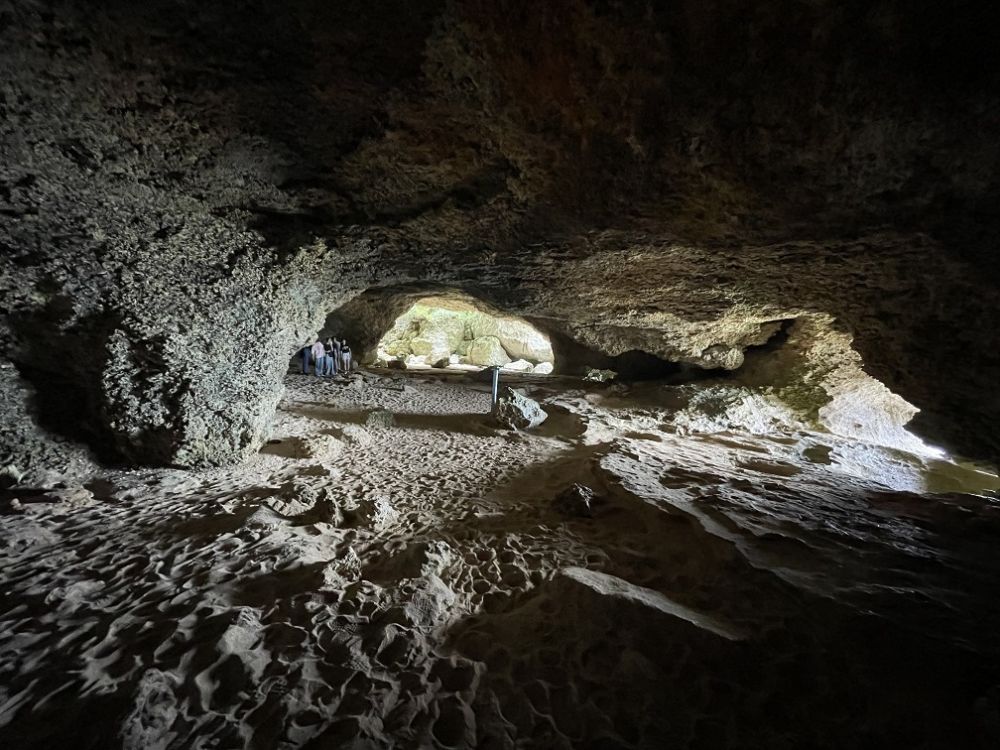
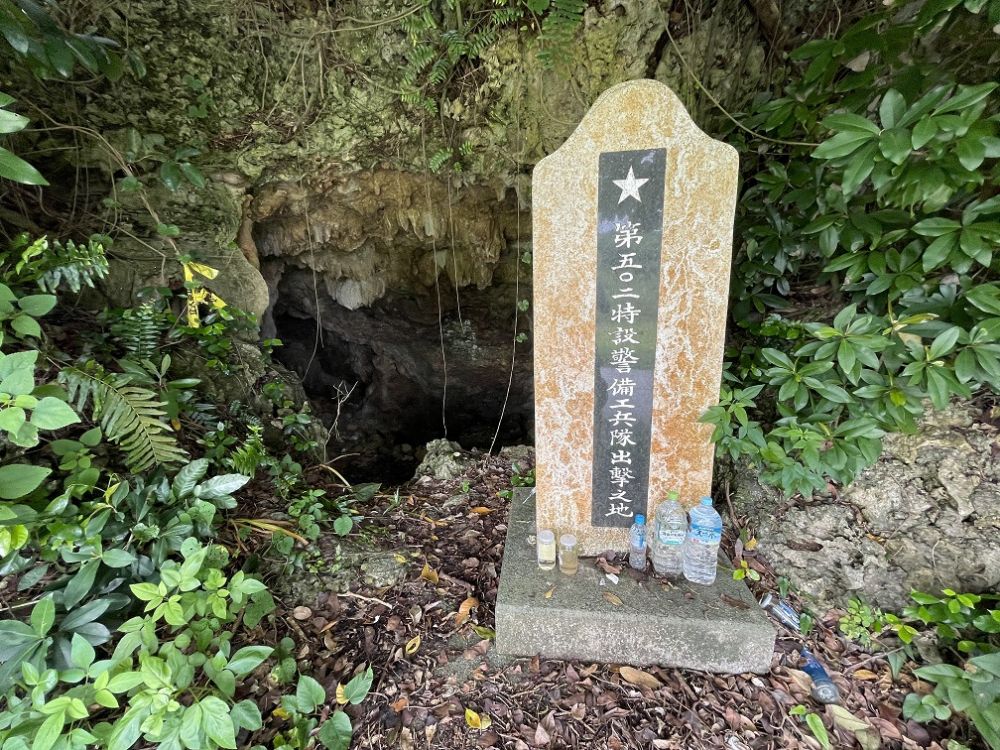
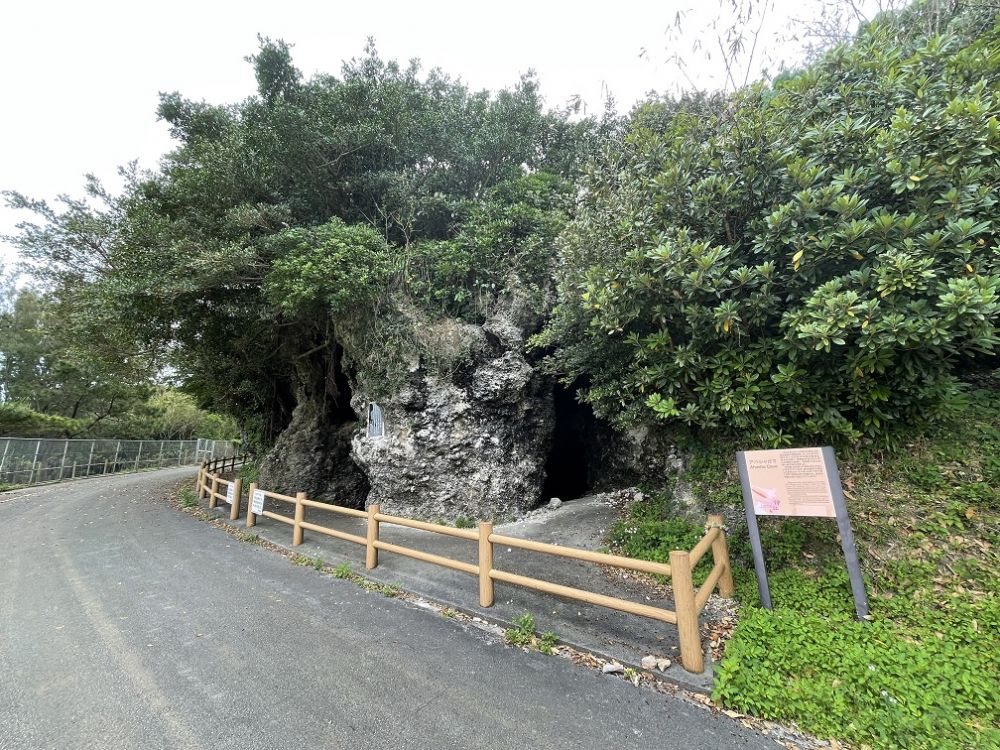
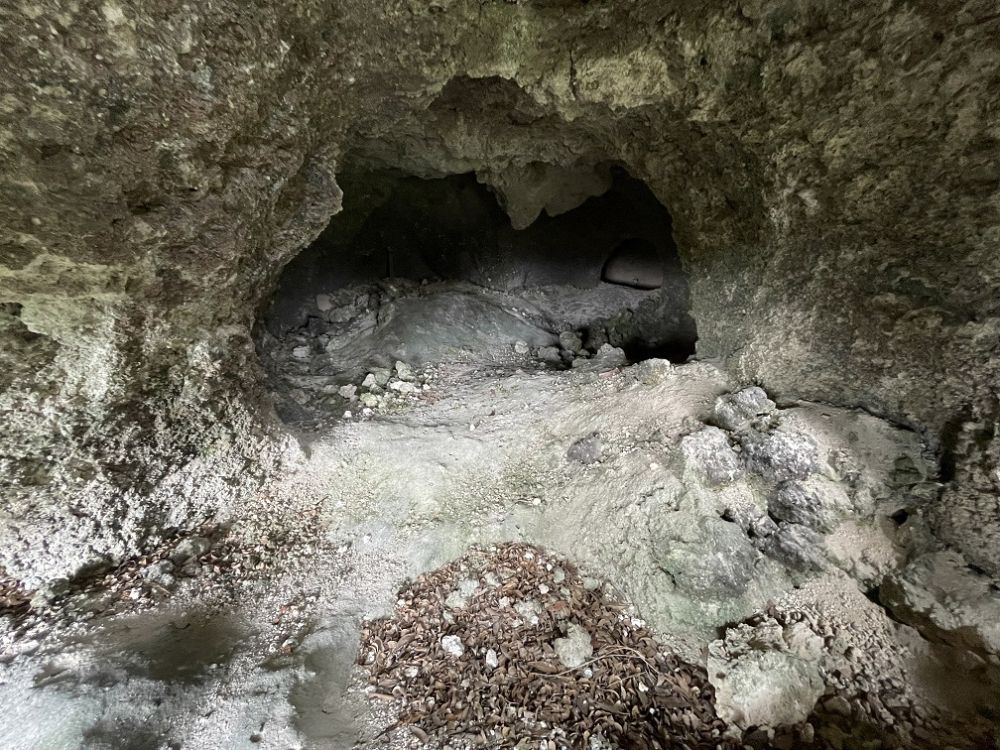
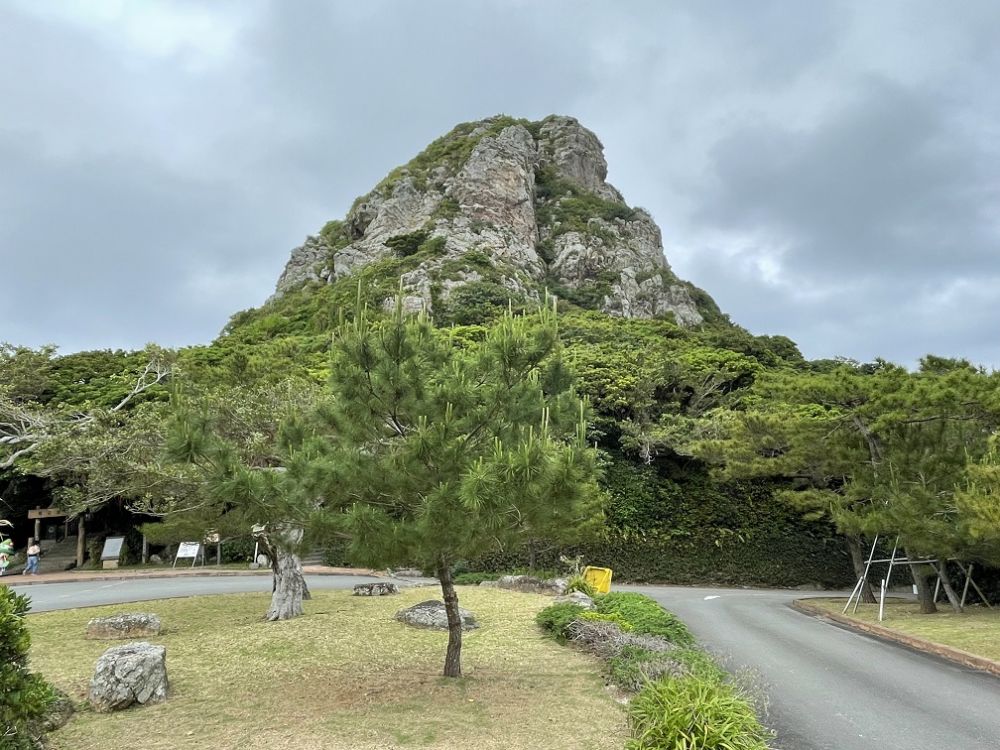
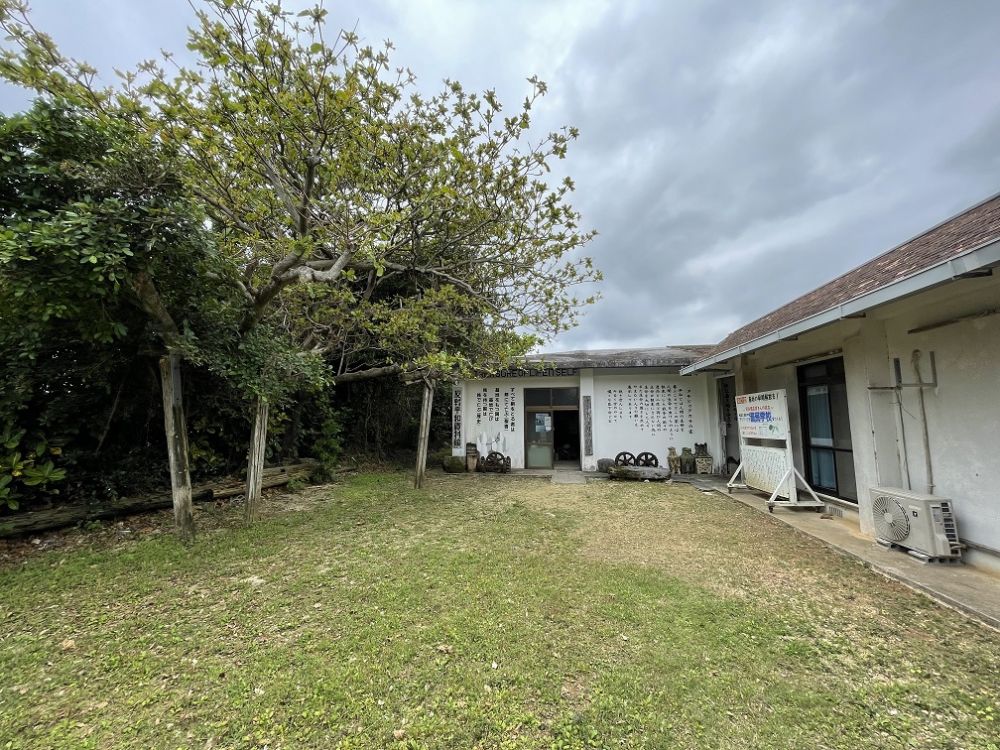
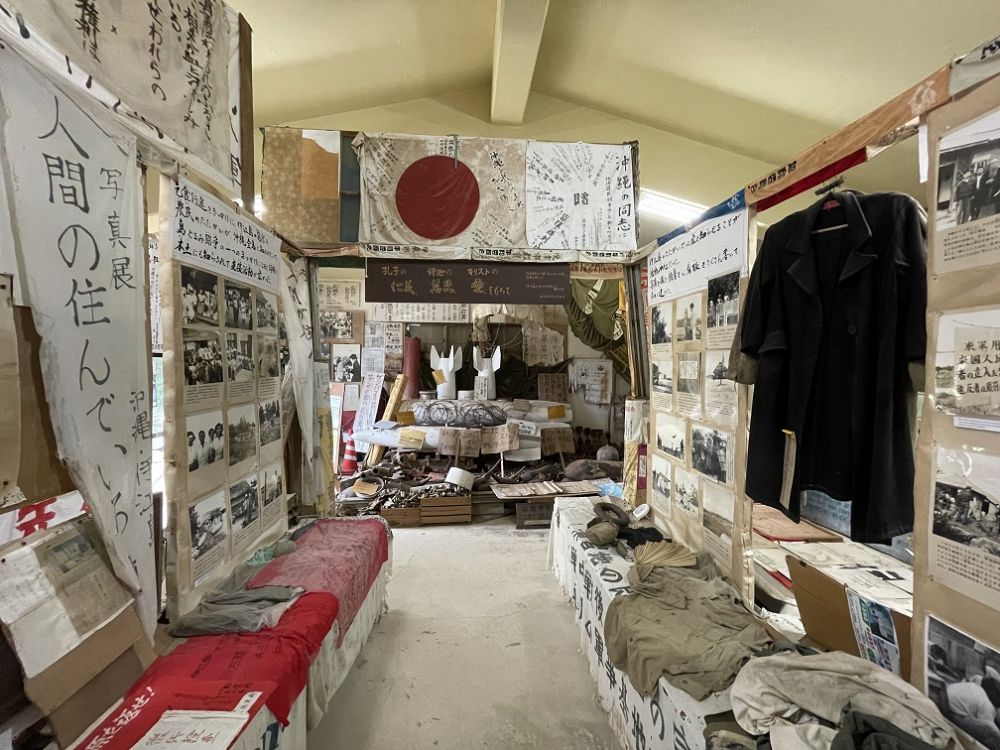
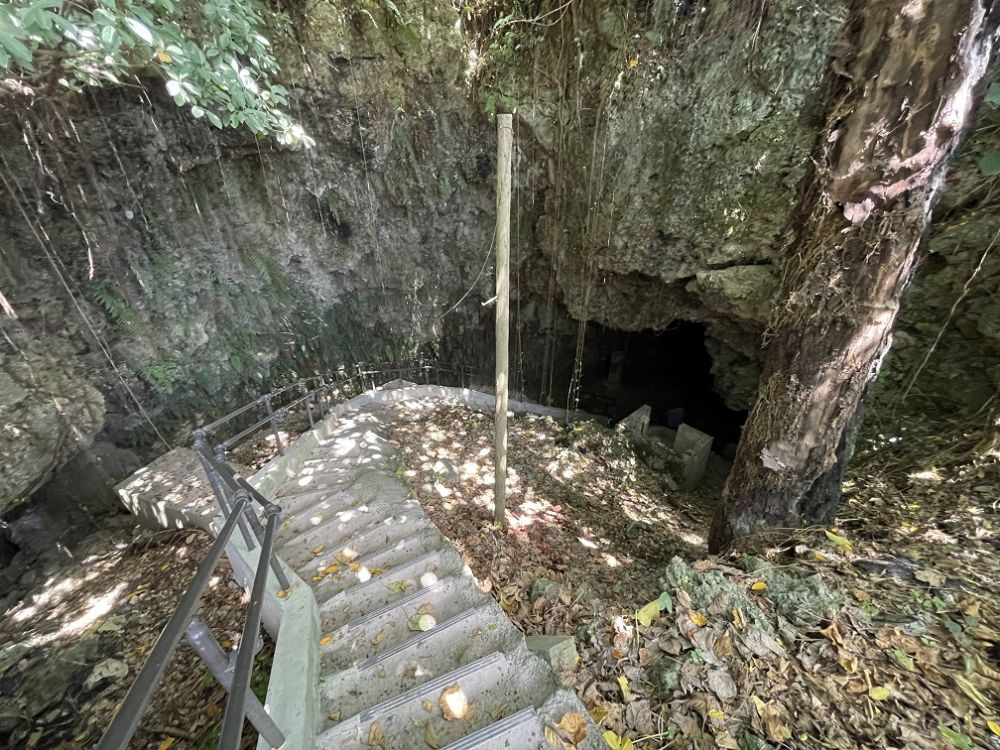
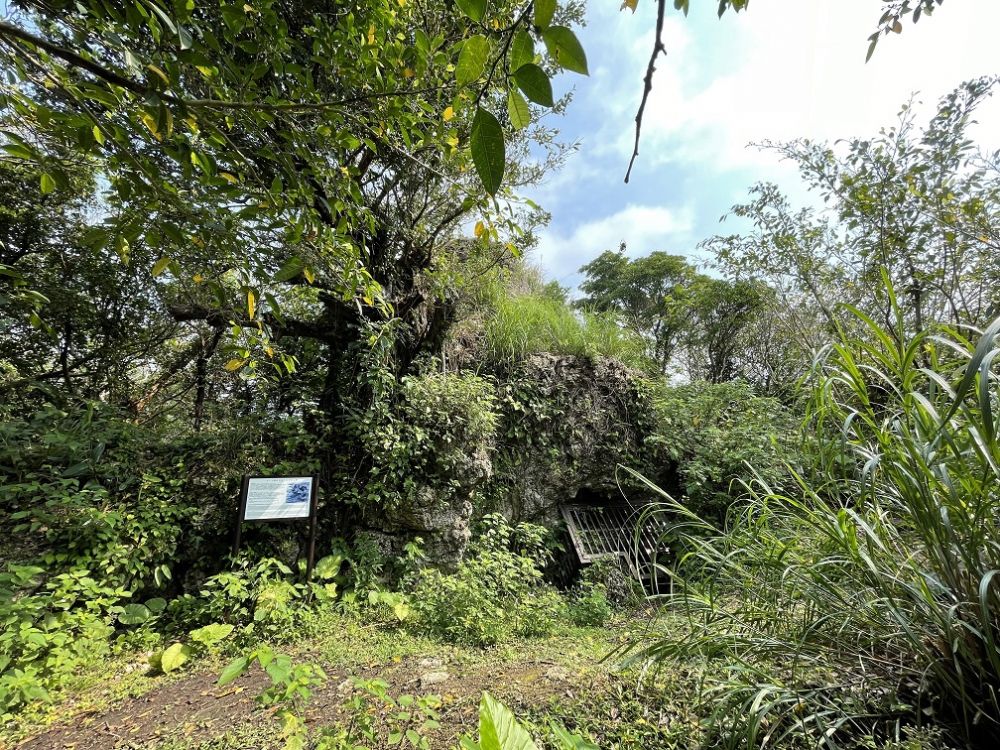
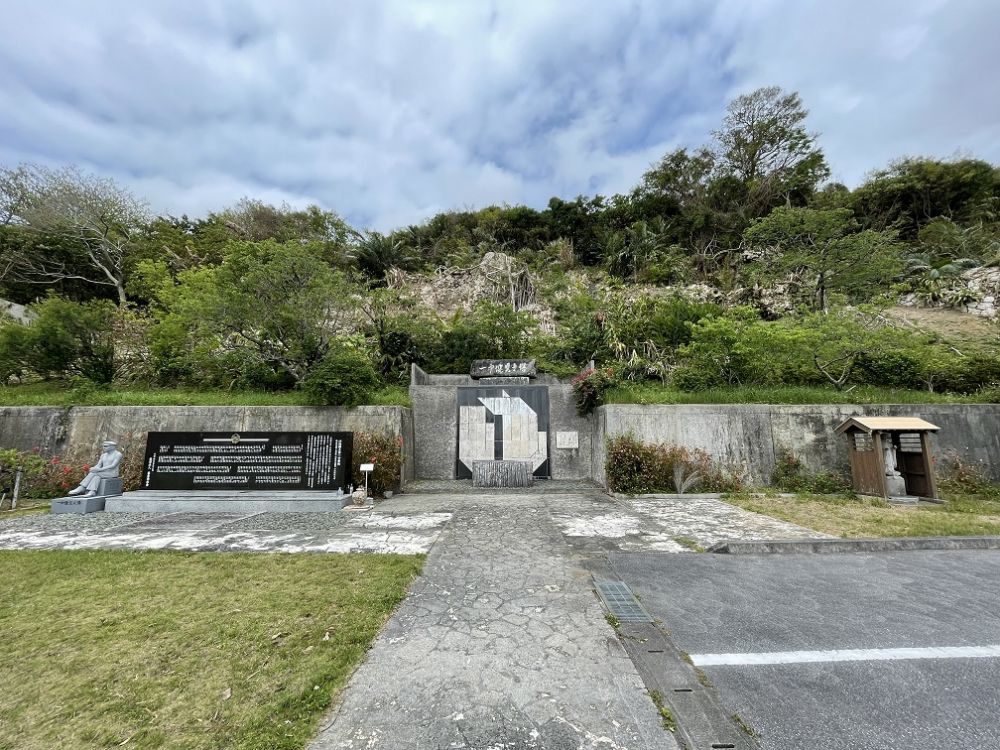
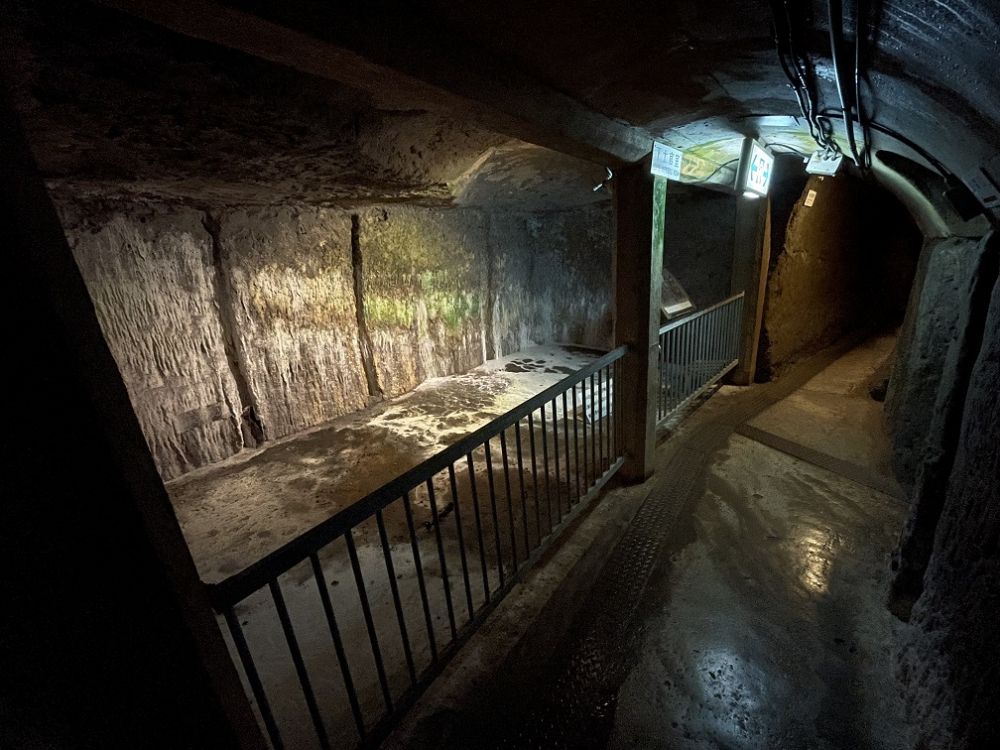
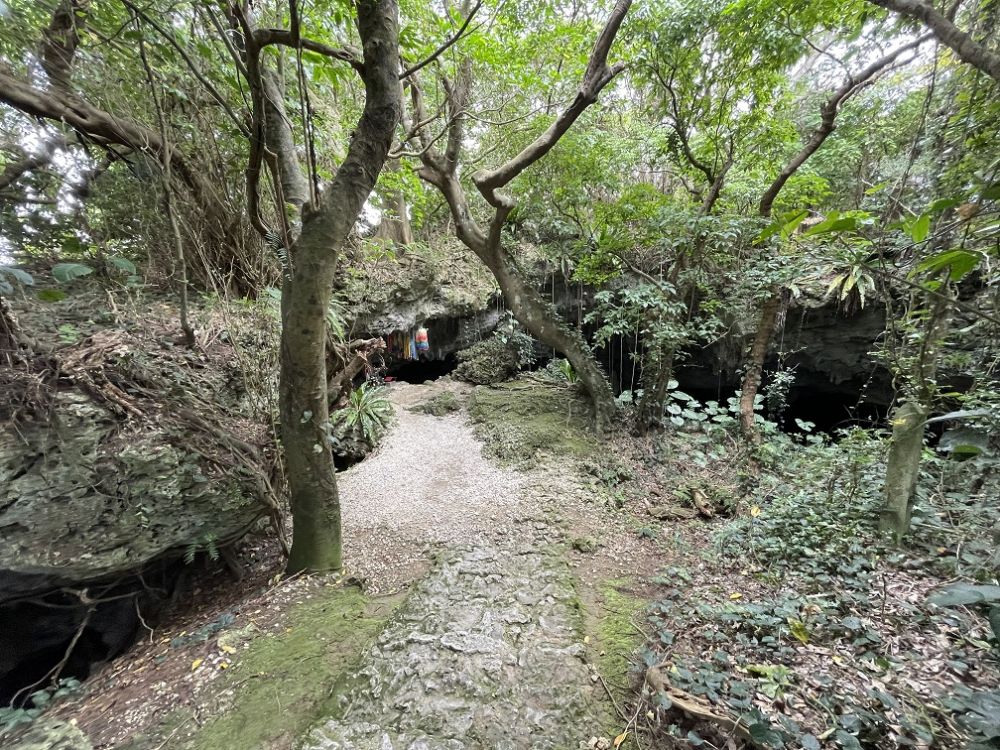
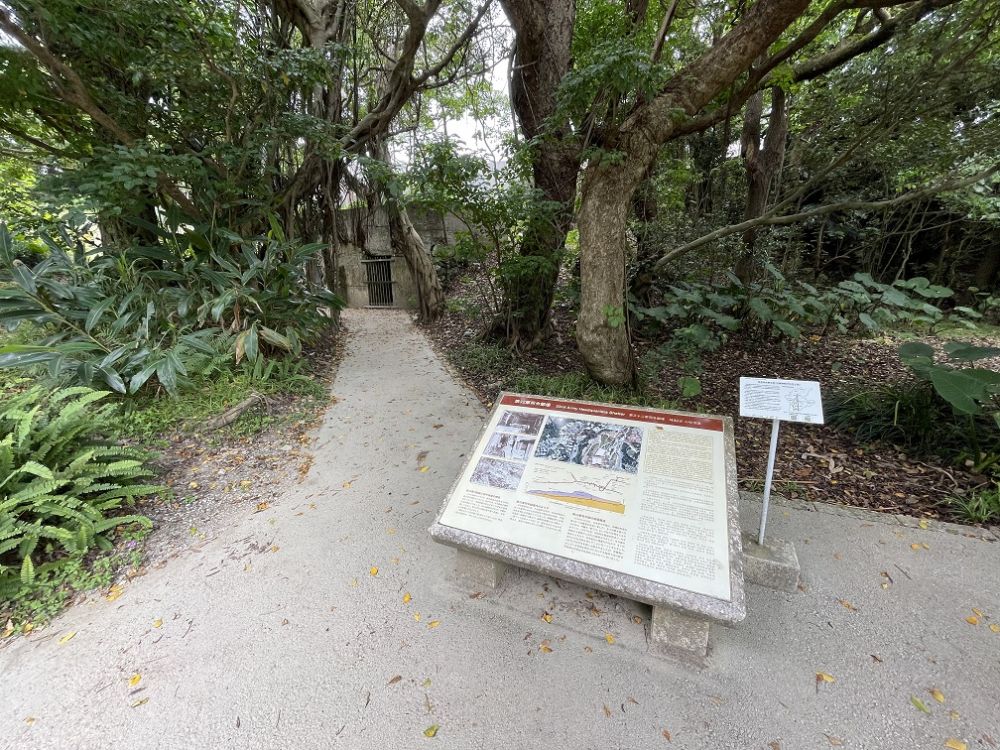
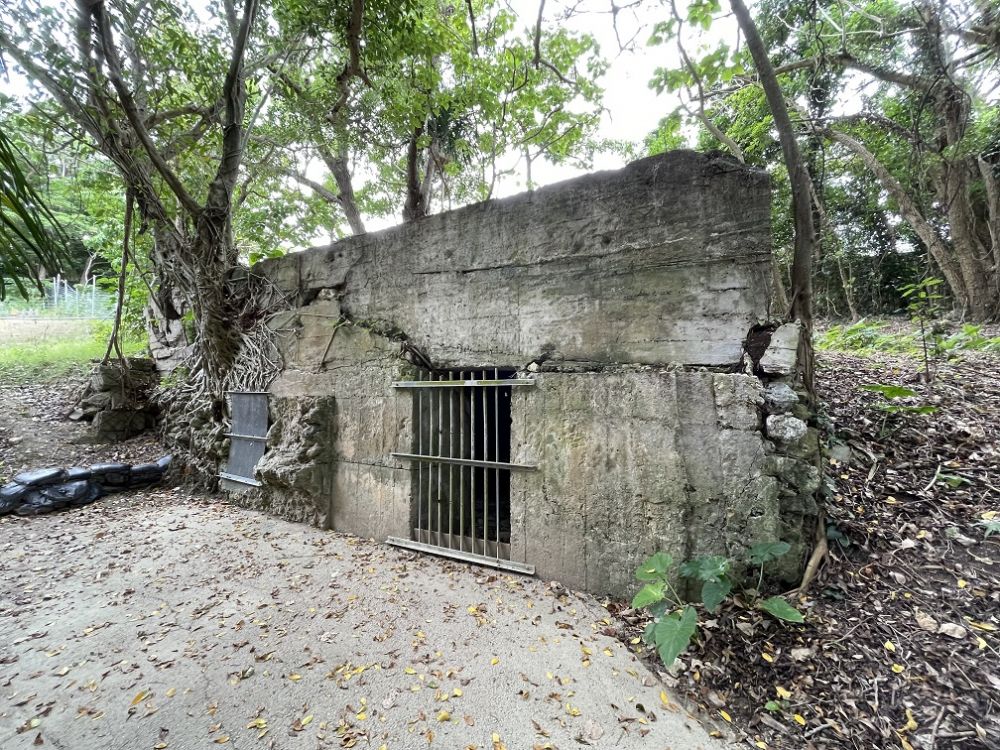
On Mabuni Hill, where the last Japanese defense line was located, there is today a large well-maintained memorial park with museum and several monuments. The headquarters of the Japanese Navy also remains in Naha and is a museum. There are also up to a hundred (if not more) tunnels and caves left since the war, albeit in varying condition. Some are available or partially accessible and can be visited, others are inaccessible and sealed for safety reasons. There are also caves and tunnels left in ridges and hills well hidden and reclaimed by nature where only those with local knowledge can find. Human remains can still be found in these caves.
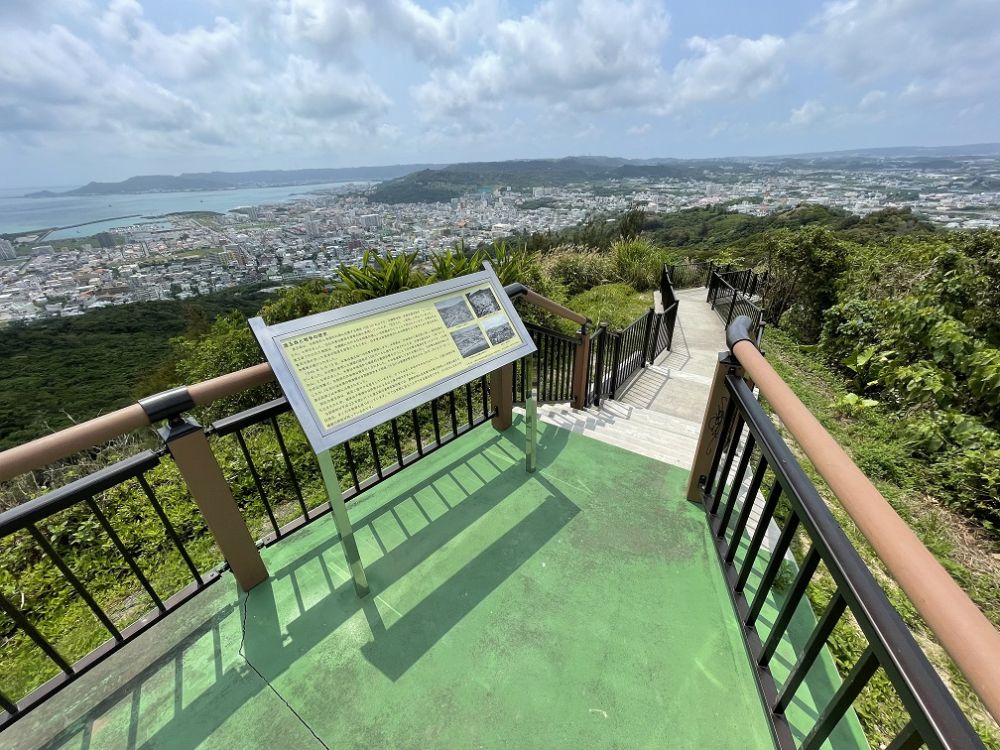
Best way to visit WW2 sites is done by car and everything of interest is within a comfortable distance on the southern part of the island. If you want to visit everything, you probably need 4-5 days. The island of Ie Shima is also within easy reach about 30 minutes by ferry from Motubi and is well worth a visit. Many of the hills and ridges that were central locations during the battle have hiking trails leading up to the summit with magnificent views of Okinawa. The downside of Okinawa is that most of it is in Japanese, but with QR codes and translation programs, you can get everything translated on site.
The most famous site which has given the battle a wider spread is of course Hacksaw Ridge where the film (2016) with the same name took place. The plot is based on Desmond Doss, an army corporal who refused to carry weapons but was allowed to serve as a paramedic. During the battle, Doss, at Hacksaw Ridge rescued about 75 wounded soldiers (including a few Japanese) by lowering them down from a cliff edge. However, Doss was seriously wounded at Hacksaw Ridge, but for his courage he was awarded the Medal of Honor by President Harry Truman in October 1945. But just as Schindler’s List and Saving Private Ryan have given Krakow and Normandy (Omaha Beach) a commercial attention, Hacksaw Ridge, has given Okinawa an attention, albeit not to the same extent.
Geographical Okinawa is a far away for us in Europe. Expect travel time in the range about 20-25 hours, including connections. It is also seven hours ahead of Swedish (summer) time and it can be a bit difficult for the body to adjust, in both ways.