Warsaw – Wola
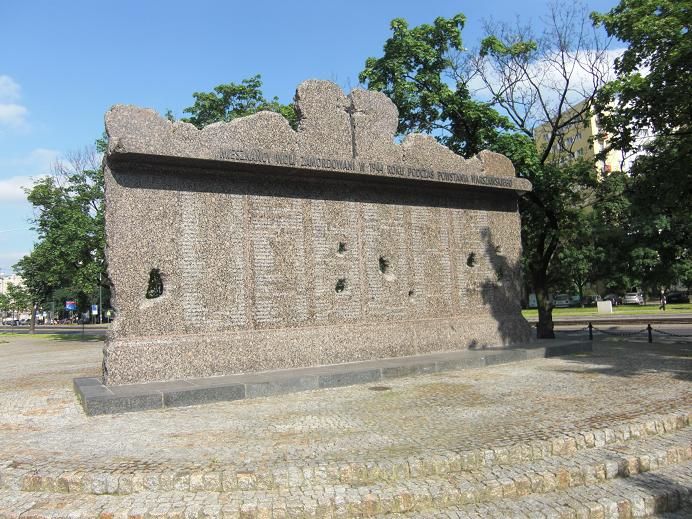
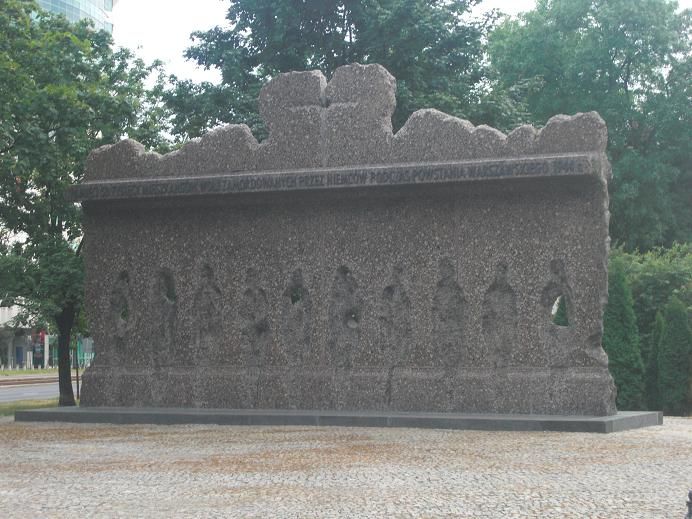
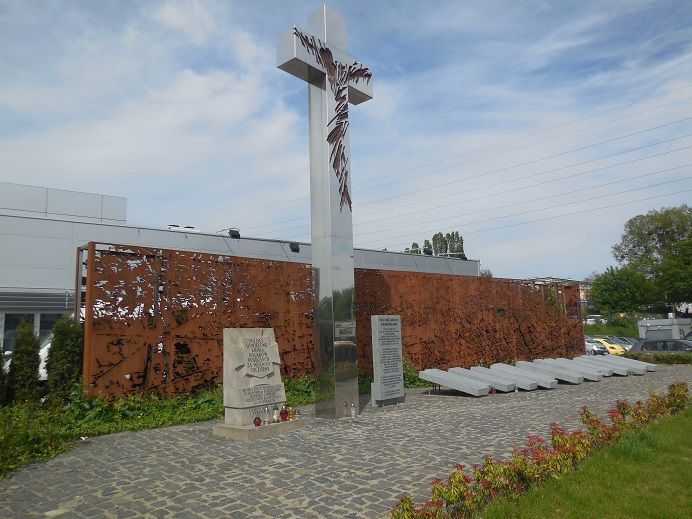
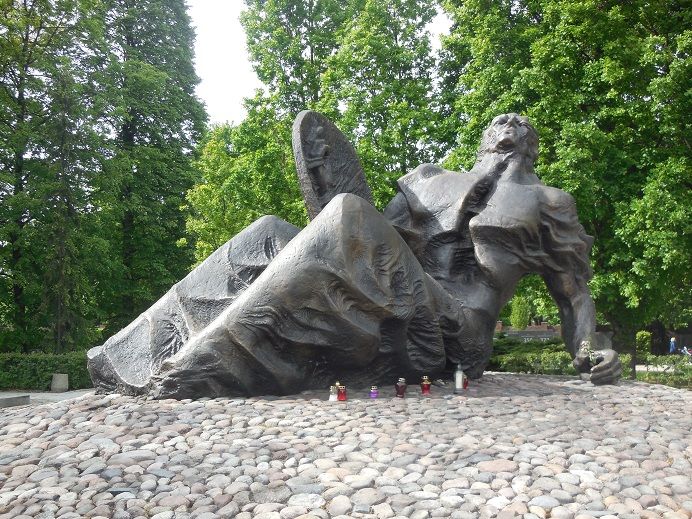
When the Warsaw uprising broke out August 1, 1944, the Germans were determined to crush the ’rising mercilessly. One method was to carry out extensive massacres of civilians and captured soldiers from the Polish home army. Between August 5 and 12, 1944, several massacres were carried out in Wola district, Warsaw. The largest massacre was carried out at a building on Gorczewska next to a railway where about 10,000 people were murdered August 5, 1944 whose bodies were later burned. The Massacres were carried out by German SS and Police units or units subordinated to the SS or the Police. The units were often loosely composed with a chain of command not always clear and precise. The most famous units were the SS Sonderkommando (Brigade) Dirlewanger under the command of the former political scientist, SS-Oberführer Oskar Dirlewanger, and the Russian voluntary unit RONA (Russian national liberation army) under the command of Bronislav Kaminski. The purpose of the massacres was, among other things, to deter further resistance, but it had rather the opposite effect and the resistance and hatred against the German occupying power was strengthened by such massacres. Between 40,000 – 50,000 people were murdered in Wola.
Current status: Monument (2015).
Address: Aleja Solidarnosci 100, 02-222 Warszawa.
Get there: Tram or Bus.
Follow up in books: Davies, Norman: Rising ’44: The Battle for Warsaw (2004).
Oskar Dirlewanger and his SS-Sturmbrigade Dirlewanger are probably the most notorious anti-partisan unit. Their brutality against civilians, especially in Belarus, were extreme and the unit was also notorious within the SS, but without any consecquenses, rather the opposite, they were encouraged. Dirlewanger was imprisoned in June, 1945, in the French occupation zone. He died a few days later from what is suspected to be a result of the guards’ mistreatment, but his cause of death has never been established. In the case of Kaminski, the Germans considered him and his units too undisciplined and uncontrollable. He was killed at the end of August 1944, but how it happened is unclear. One rumour says he was killed when his car was attacked by partisans, another rumour say he was put before a German military tribunal and shot, and a third rumour says Gestapo murdered him.